Pecorino Cheese
Pecorino Cheese: Italy’s Ancient Sheep’s Milk Delicacy
Introduction to Pecorino Cheese
Pecorino cheese is one of Italy’s oldest and most treasured cheeses, celebrated for its rich flavor, distinctive character, and centuries-old production traditions. Made exclusively from sheep’s milk, Pecorino has been a cornerstone of Italian gastronomy since ancient Roman times. Today, it remains highly valued by chefs, food enthusiasts, and cheese lovers around the world for its versatility, nutritional benefits, and unique taste.
Available in a variety of regional styles and maturation levels, Pecorino offers a diverse range of flavors that can complement everything from traditional Italian recipes to modern gourmet cuisine.
What Is Pecorino Cheese?
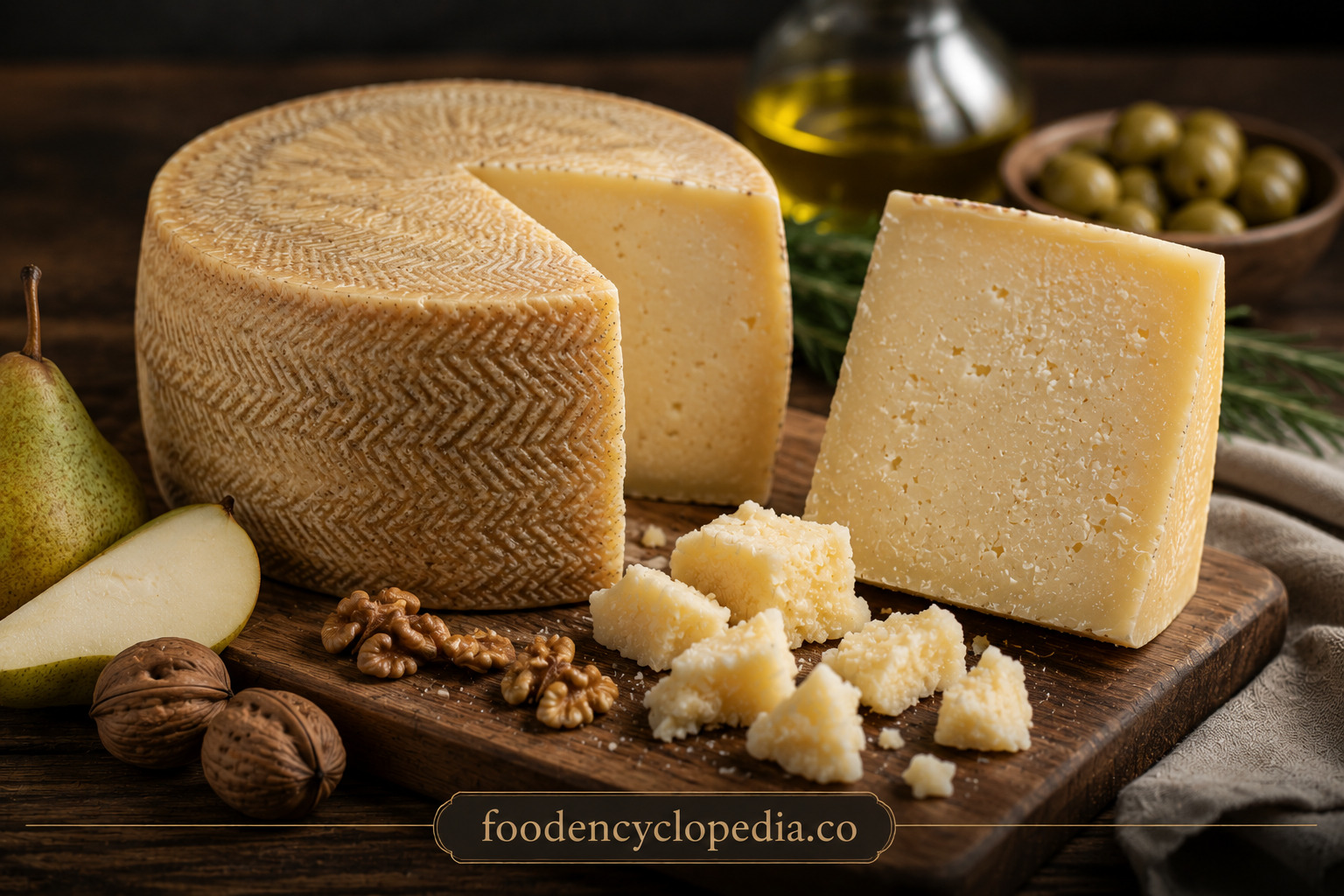
Pecorino is a hard Italian cheese produced from 100% sheep’s milk. The name “Pecorino” is derived from the Italian word pecora, meaning “sheep.” Several varieties of Pecorino are produced throughout Italy, each reflecting the traditions and terroir of its region.
Among the most famous types are Pecorino Romano, Pecorino Toscano, Pecorino Sardo, and Pecorino Siciliano. While each variety possesses unique characteristics, all share the distinctive richness and complexity associated with sheep’s milk cheese.
Flavor and Texture
The flavor of Pecorino varies depending on its age and region of origin. Young Pecorino cheeses tend to be mild, creamy, and slightly sweet, while aged varieties develop a firmer texture and a more pronounced, savory, and tangy flavor.
Mature Pecorino often exhibits nutty, earthy, and slightly salty notes that make it a favorite for grating over pasta dishes, soups, and salads. Its firm, crumbly texture becomes more pronounced as the cheese ages, contributing to its culinary versatility.
Nutritional Benefits
Pecorino cheese is a rich source of high-quality protein, calcium, phosphorus, and essential vitamins. Sheep’s milk naturally contains higher concentrations of nutrients than cow’s milk, making Pecorino particularly nutrient-dense.
In addition to supporting bone health and muscle maintenance, Pecorino provides beneficial fats and minerals that contribute to overall well-being when consumed as part of a balanced diet.
Culinary Uses
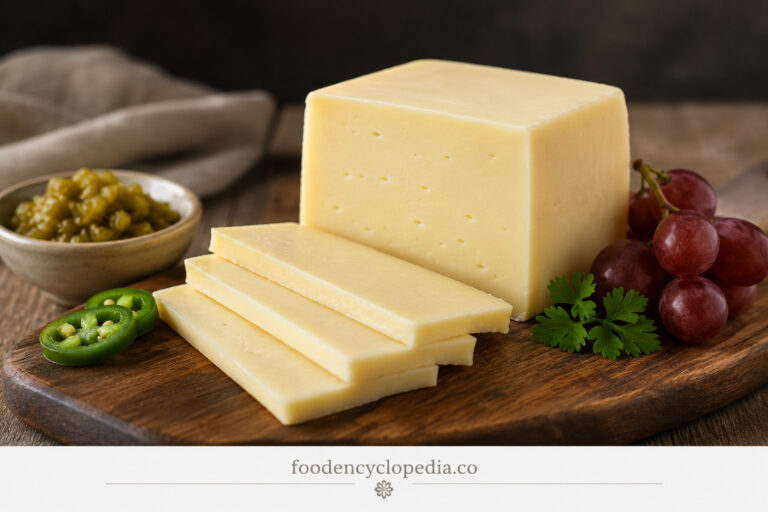
Pecorino is an essential ingredient in many classic Italian recipes. Pecorino Romano, for example, is traditionally used in iconic pasta dishes such as Cacio e Pepe, Carbonara, and Amatriciana. The cheese can also be enjoyed on cheese boards, paired with fresh fruits, nuts, honey, and artisan breads.
Young Pecorino is often served as a table cheese, while aged varieties are grated over pasta, risotto, roasted vegetables, and soups to add depth and complexity of flavor.
Why Pecorino Is Special
What makes Pecorino unique is its exclusive use of sheep’s milk, which gives the cheese a richer flavor profile than many cow’s milk cheeses. Combined with centuries of traditional cheesemaking expertise and regional diversity, this creates a product that is both authentic and highly distinctive.
Its deep historical roots, exceptional taste, and versatility have earned Pecorino a respected place among the world’s finest cheeses and a lasting role in Italian culinary heritage.
Conclusion
Pecorino cheese is a remarkable symbol of Italy’s rich cheesemaking tradition. With its ancient origins, nutritional value, and wide range of flavors, it continues to delight food lovers across the globe. Whether enjoyed fresh, aged, sliced, or grated, Pecorino offers an authentic taste of Italian craftsmanship and culinary excellence that has stood the test of time.