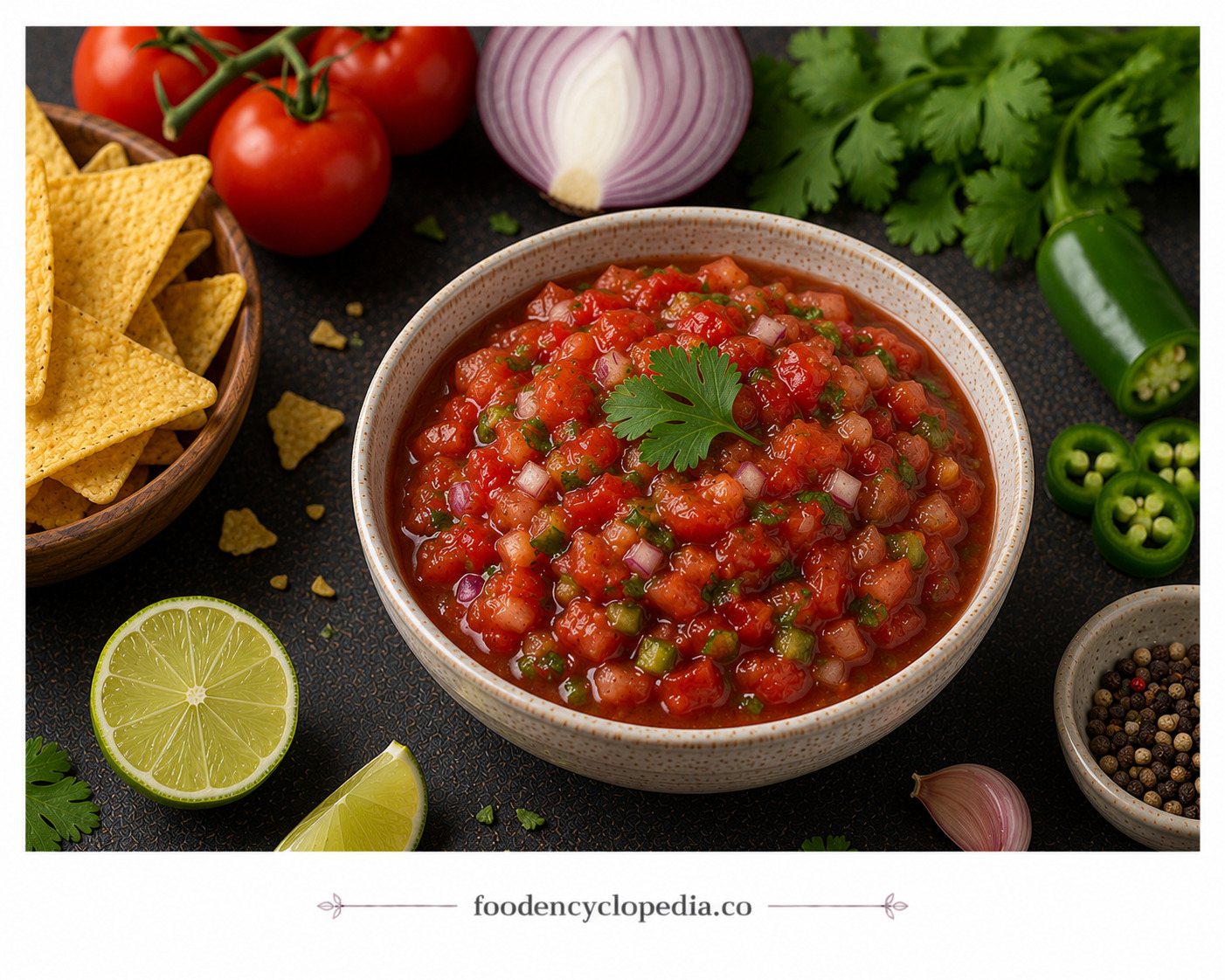
Salsa Sauce
Salsa Sauce: The Fresh and Flavorful Heart of Mexican Cuisine
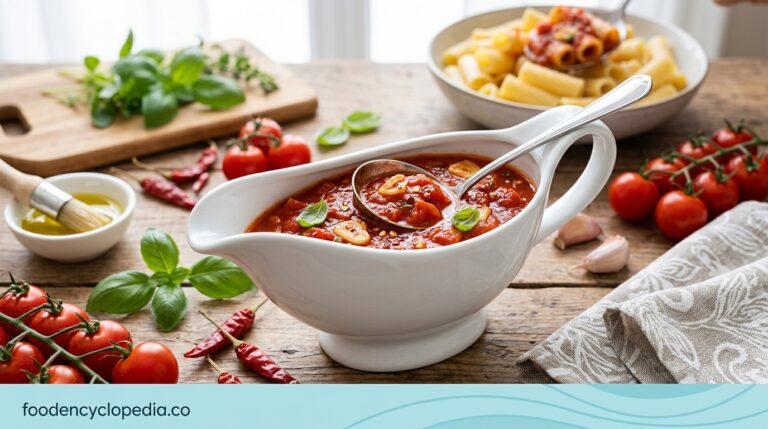
Salsa sauce is one of the most iconic and versatile condiments in Mexican cuisine, celebrated for its vibrant flavors, fresh ingredients, and endless variations. Made primarily from tomatoes, peppers, onions, herbs, and citrus juice, salsa offers a refreshing balance of acidity, spice, and natural sweetness that complements a wide variety of dishes.
Whether served as a dip with tortilla chips, a topping for tacos, or a flavorful accompaniment to grilled meats and vegetables, salsa sauce has become a global favorite. Its fresh taste and simple preparation make it a staple in both traditional Mexican cooking and modern international cuisine.
What Is Salsa Sauce?
The word “salsa” simply means “sauce” in Spanish. Traditionally, salsa refers to a mixture of fresh or cooked ingredients such as tomatoes, chili peppers, onions, cilantro, garlic, and lime juice. Depending on the recipe, salsa can range from mild and refreshing to intensely spicy.
Unlike many creamy sauces, salsa is naturally light and packed with fresh ingredients, making it a flavorful and nutritious addition to countless meals.
How Salsa Sauce Is Made
Homemade salsa is easy to prepare and can be customized according to personal taste preferences.
Ingredients
- 4 ripe tomatoes, finely diced
- 1 small red onion, finely chopped
- 1 jalapeño pepper, finely minced
- 2 tablespoons fresh cilantro, chopped
- Juice of 1 lime
- 1 garlic clove, minced
- ½ teaspoon salt
- ¼ teaspoon black pepper
Instructions
1. Prepare the Ingredients
Wash and finely chop the tomatoes, onion, jalapeño, cilantro, and garlic.
2. Combine the Ingredients
Place all ingredients in a mixing bowl and stir gently until evenly distributed.
3. Add Seasonings
Pour in the lime juice and add the salt and black pepper. Mix thoroughly.
4. Allow the Flavors to Develop
Let the salsa rest for 15–30 minutes before serving to allow the ingredients to blend and develop deeper flavor.
5. Serve Fresh
Serve immediately or refrigerate in an airtight container for up to three days.
Nutritional Benefits of Salsa Sauce
Salsa is naturally low in calories and rich in vitamins, minerals, and antioxidants derived from fresh vegetables and herbs. Tomatoes provide lycopene, while peppers contribute vitamin C and beneficial plant compounds.
Because salsa contains little to no fat and relies on fresh produce, it is often considered a healthy alternative to heavier condiments and dips.
Popular Uses for Salsa Sauce
Salsa sauce is commonly enjoyed with:
- Tortilla chips
- Tacos
- Burritos
- Nachos
- Grilled chicken
- Beef and steak dishes
- Seafood
- Eggs and breakfast dishes
- Rice bowls and salads
Its bright flavor makes it a versatile addition to both traditional Mexican recipes and contemporary dishes.
Tips for the Best Homemade Salsa
- Use ripe, flavorful tomatoes for maximum freshness.
- Adjust the amount of chili pepper to control heat levels.
- Fresh lime juice enhances flavor and balances acidity.
- Allow the salsa to rest before serving for better flavor development.
- Serve chilled for a refreshing taste.
Conclusion
Salsa sauce is a timeless Mexican classic that combines fresh ingredients, bold flavors, and exceptional versatility. Easy to prepare and naturally nutritious, it can elevate everything from appetizers to main courses. Whether used as a dip, topping, or side condiment, homemade salsa delivers authentic flavor and freshness that make every meal more enjoyable.