Corn Oil
Corn Oil: A Complete Introduction to Production, Uses, and Benefits
What Is Corn Oil?
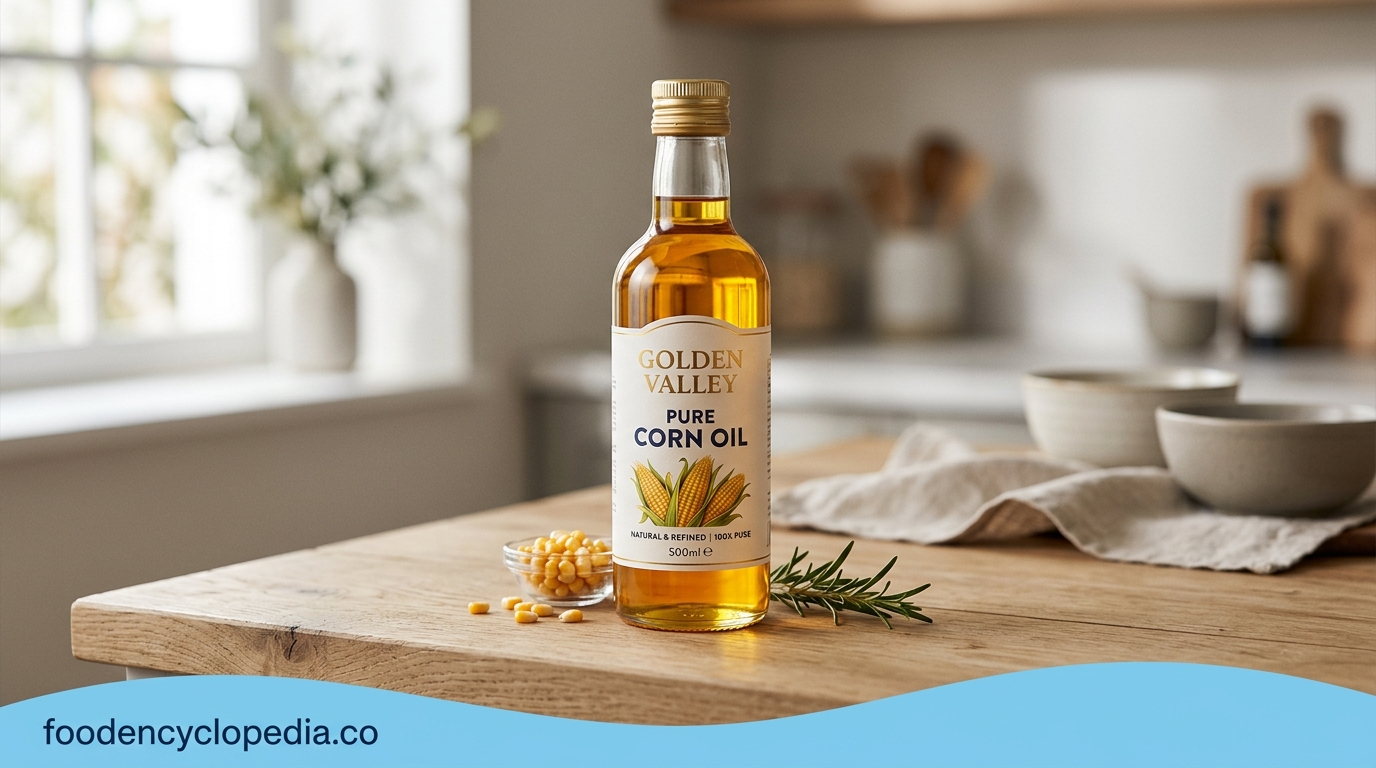
Corn oil is a versatile vegetable oil extracted from the germ of corn (maize) kernels. Known for its light flavor, high smoke point, and heart-healthy fat profile, corn oil has become a staple in kitchens, food manufacturing plants, and even industrial applications worldwide. It’s rich in polyunsaturated fats, vitamin E, and phytosterols, making it a popular choice for cooking, baking, and frying.
Whether you’re a home cook curious about the oil in your pantry, a food industry professional, or someone interested in sustainable agricultural byproducts, understanding how corn oil is made offers valuable insight into this everyday kitchen essential.
Why Corn Oil Matters
Corn oil ranks among the most widely produced vegetable oils globally, particularly in the United States, which is the largest producer due to its extensive corn farming industry. Its popularity stems from several key advantages:
- High smoke point (around 450°F/232°C), making it ideal for frying and high-heat cooking
- Neutral taste that doesn’t overpower other ingredients
- Nutritional profile rich in polyunsaturated and monounsaturated fats
- Affordability compared to many other cooking oils
- Versatility across culinary, industrial, and biofuel applications
How Corn Oil Is Made: The Production Process
Corn oil production involves several carefully controlled steps, whether done on a small artisanal scale or in large commercial refineries.
1. Corn Kernel Preparation
The process begins with harvesting corn and separating the kernels. Corn oil specifically comes from the germ—the small embryo part of the kernel—which contains the highest concentration of natural oils, typically around 80-85% of the corn’s total oil content.
2. Wet or Dry Milling
There are two primary methods for extracting the germ:
- Wet milling: Kernels are soaked in water to soften them, making it easier to separate the germ from the starch, fiber, and protein components. This is the most common industrial method.
- Dry milling: Kernels are ground without soaking, though this method yields less oil and is less common for commercial oil production.
3. Oil Extraction
Once the germ is isolated, oil is extracted using one of two techniques:
- Mechanical pressing: The germ is physically pressed to squeeze out the oil, similar to how olive oil is extracted. This method is often used for “cold-pressed” or “expeller-pressed” corn oil, which retains more natural flavor and nutrients.
- Solvent extraction: A chemical solvent (typically hexane) is used to maximize oil yield from the germ. This method is more efficient for large-scale production but requires additional refining to remove solvent residues.
4. Refining
Raw, crude corn oil isn’t suitable for consumption right away. It undergoes a refining process that includes:
- Degumming: Removing phospholipids and impurities
- Neutralizing: Eliminating free fatty acids
- Bleaching: Using activated clay to remove pigments and improve color
- Deodorizing: Applying steam distillation under vacuum to remove odors and achieve a neutral taste
5. Winterizing (Optional)
Some corn oil undergoes winterization, a cooling process that removes waxes and solidified fats, ensuring the oil stays clear and liquid even when refrigerated.
6. Bottling and Packaging
After refining, the oil is tested for quality, then bottled and packaged for retail or industrial distribution.
Culinary and Industrial Uses of Corn Oil
Corn oil’s versatility extends far beyond the kitchen:
- Cooking and frying: Ideal for deep-frying, sautéing, and baking due to its high smoke point
- Salad dressings and marinades: Its neutral flavor blends well with vinegars and seasonings
- Margarine and shortening production: Used as a base ingredient in many processed foods
- Biodiesel production: An increasingly popular renewable energy source
- Cosmetics and skincare: Valued for its emollient properties in lotions and soaps
Nutritional Benefits of Corn Oil
Corn oil contains a favorable balance of fats, including:
- Polyunsaturated fats (around 55%), including linoleic acid (omega-6)
- Monounsaturated fats (around 25%)
- Vitamin E, a powerful antioxidant that supports skin and immune health
- Phytosterols, plant compounds linked to cholesterol management
While corn oil can be part of a balanced diet, moderation is key, as with any cooking oil, due to its caloric density.
Final Thoughts
From humble corn kernels to a kitchen and industrial staple, corn oil’s production process showcases impressive agricultural and chemical engineering. Its high smoke point, neutral taste, and nutritional benefits make it a go-to choice for cooks and manufacturers alike. Understanding how corn oil is made not only deepens appreciation for this everyday product but also highlights the ingenuity behind converting a simple crop into a multipurpose oil used around the world.