Feta Cheese
Feta Cheese: The Iconic Greek Cheese Loved Around the World
Introduction to Feta Cheese
Feta cheese is one of the world’s most recognizable and beloved cheeses, celebrated for its distinctive tangy flavor, crumbly texture, and rich culinary heritage. Originating in Greece thousands of years ago, feta has become a staple ingredient in Mediterranean cuisine and a favorite among chefs, food enthusiasts, and health-conscious consumers worldwide.
Made primarily from sheep’s milk or a blend of sheep’s and goat’s milk, feta cheese offers a unique taste profile that sets it apart from other cheese varieties. Its versatility allows it to be enjoyed in salads, pastries, sandwiches, pasta dishes, and countless traditional recipes.
What Is Feta Cheese?
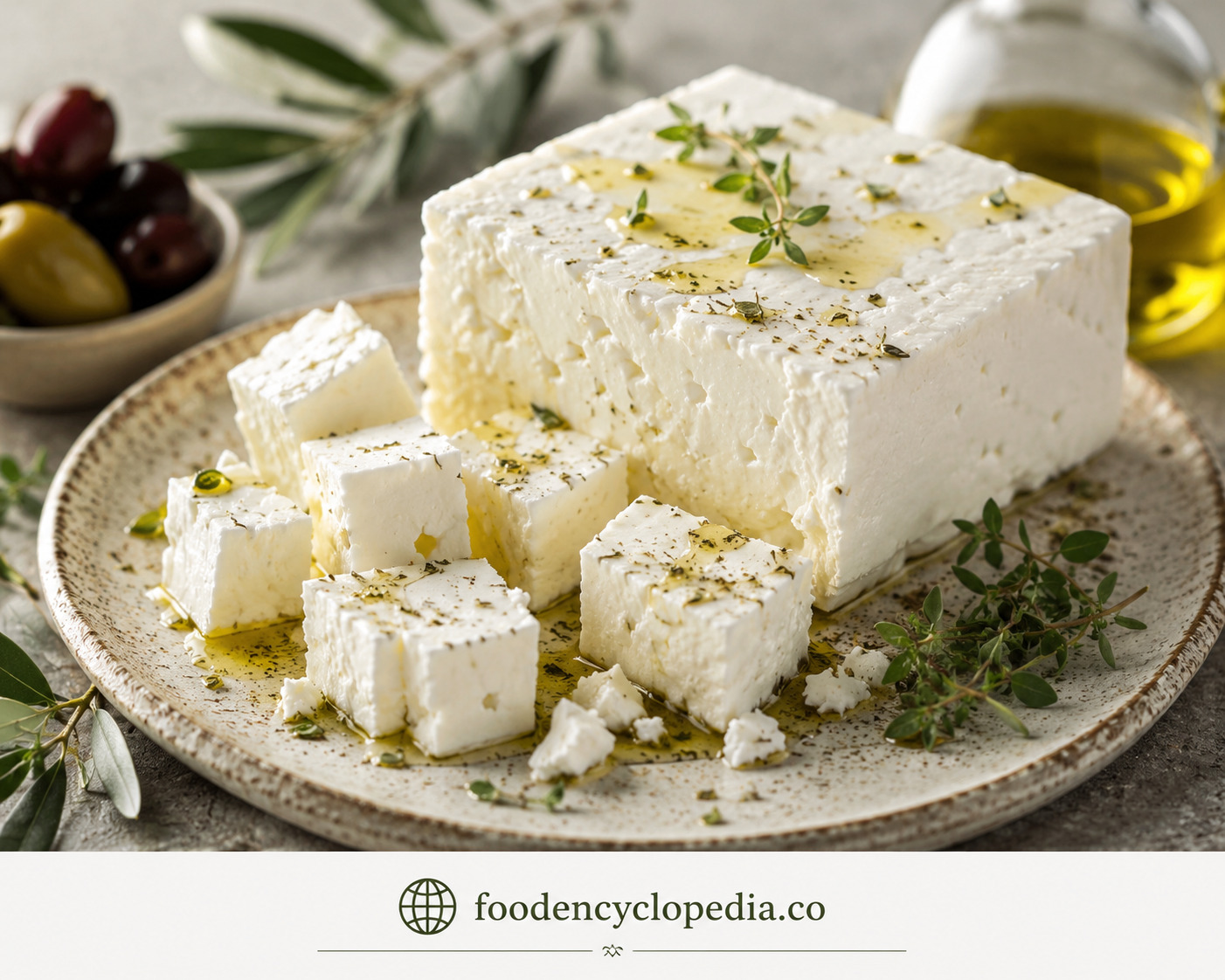
Feta is a brined curd cheese traditionally produced in Greece. The cheese is aged in a salty brine solution, which contributes to its characteristic tangy flavor and creamy yet crumbly texture. Authentic feta cheese carries a Protected Designation of Origin (PDO) status within the European Union, meaning only cheese produced in specific regions of Greece following traditional methods can legally be marketed as “Feta” in the EU.
The cheese typically appears bright white in color and ranges from soft and creamy to firm and crumbly, depending on its aging process and milk composition.
History and Origin of Feta Cheese
The history of feta cheese dates back more than 2,000 years. Historical references suggest that a cheese remarkably similar to modern feta was produced in ancient Greece, making it one of the oldest known cheeses in the world. Greek shepherds discovered that storing milk in animal-skin bags naturally separated the curds and preserved the cheese, laying the foundation for traditional feta production.
Over the centuries, feta became deeply embedded in Greek culture and cuisine, earning a reputation as a symbol of Mediterranean gastronomy.
Nutritional Benefits of Feta Cheese
Feta cheese is not only flavorful but also offers several nutritional advantages. It is a good source of:
- High-quality protein
- Calcium for bone health
- Vitamin B12
- Phosphorus
- Essential minerals and nutrients
Compared to many aged cheeses, feta generally contains fewer calories and less fat per serving. Additionally, the fermentation process used in its production may support digestive health.
However, because feta is stored in brine, it can be relatively high in sodium, making moderation important for individuals monitoring salt intake.
How Feta Cheese Is Used in Cooking
One of feta cheese’s greatest strengths is its versatility in the kitchen. It can be served fresh, baked, grilled, or crumbled into a variety of dishes. Popular culinary uses include:
- Traditional Greek salad
- Spinach and feta pies
- Mediterranean grain bowls
- Pasta dishes
- Pizza toppings
- Omelets and breakfast recipes
- Stuffed vegetables
- Sandwiches and wraps
Its salty and tangy flavor enhances both hot and cold dishes, making it a valuable ingredient for professional chefs and home cooks alike.
Authentic Feta vs. Imitation Feta
Consumers often encounter different products labeled as feta-style cheese. Authentic Greek feta is made from sheep’s milk or a combination of sheep’s and goat’s milk and follows strict production standards. In contrast, some feta-style cheeses produced outside Greece may use cow’s milk and different manufacturing methods, resulting in noticeable differences in flavor, texture, and quality.
When purchasing feta, checking the origin and ingredients can help ensure an authentic culinary experience.
Why Feta Cheese Remains Popular Worldwide
The growing popularity of Mediterranean diets has significantly increased global demand for feta cheese. Consumers appreciate its bold flavor, nutritional value, and adaptability across numerous cuisines. Whether used in traditional Greek recipes or modern fusion dishes, feta continues to be a favorite ingredient among food lovers around the globe.
Conclusion
Feta cheese represents a perfect combination of history, tradition, nutrition, and exceptional flavor. From its ancient Greek origins to its modern presence in kitchens worldwide, feta remains a timeless cheese that enhances countless recipes. Its unique taste, versatile applications, and rich cultural significance ensure that it will continue to be a cherished ingredient for generations to come.
Whether you’re exploring Mediterranean cuisine for the first time or looking to elevate your favorite dishes, feta cheese is a delicious and nutritious choice worth adding to your menu.