Emmental Cheese
Emmental Cheese: The Iconic Swiss Cheese Known Worldwide
Introduction to Emmental Cheese
Emmental cheese is one of the most recognizable and celebrated cheeses in the world. Originating from the picturesque Emmental Valley in Switzerland, this semi-hard cheese is famous for its distinctive large holes, mild nutty flavor, and exceptional versatility in culinary applications. Often referred to as the “King of Swiss Cheeses,” Emmental has become a staple ingredient in kitchens, restaurants, and cheese boards across the globe.
Whether enjoyed on its own, melted into traditional Swiss dishes, or incorporated into gourmet recipes, Emmental cheese offers a unique combination of taste, texture, and nutritional value that appeals to cheese lovers of all ages.
What Is Emmental Cheese?
Emmental cheese, sometimes spelled Emmentaler, is a traditional Swiss cheese made from high-quality cow’s milk. It has been produced for centuries in the Emmental region of Switzerland and remains one of the country’s most important dairy exports.
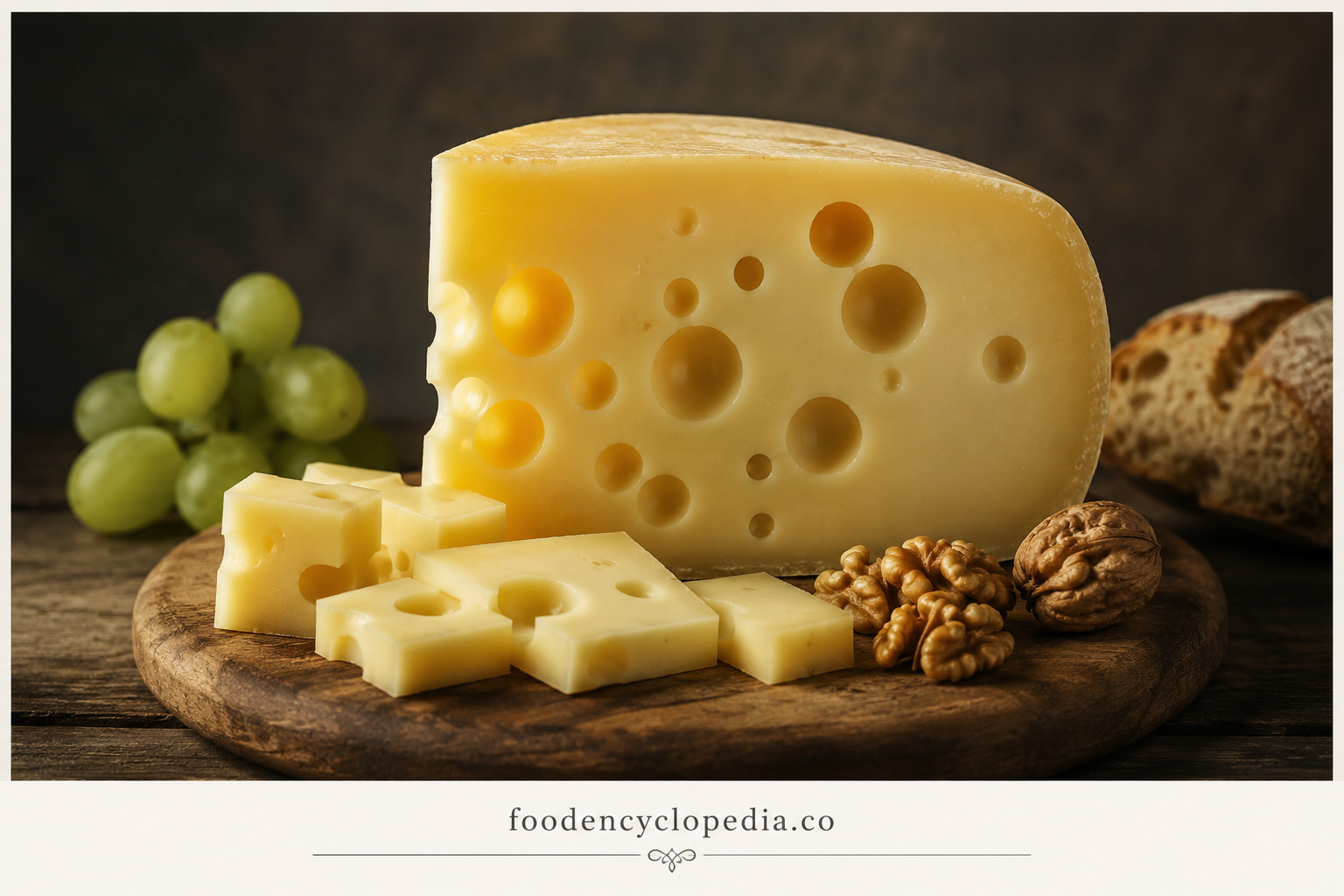
The cheese is characterized by its pale yellow color, smooth texture, and signature holes—or “eyes”—which develop naturally during the fermentation process. These holes are created by beneficial bacteria that release carbon dioxide as the cheese matures.
Flavor Profile and Texture
One of the reasons Emmental cheese enjoys worldwide popularity is its balanced flavor profile. Young Emmental typically offers a mild, buttery, and slightly sweet taste with subtle nutty notes. As the cheese ages, its flavor becomes richer, more complex, and slightly fruity.
Its texture is firm yet supple, making it easy to slice, shred, and melt. This excellent melting quality makes Emmental a preferred choice for numerous hot dishes and culinary preparations.
Culinary Uses of Emmental Cheese
Emmental cheese is highly versatile and can be used in a wide range of recipes. Popular applications include:
- Traditional Swiss fondue
- Croque monsieur sandwiches
- Gourmet burgers
- Cheese platters and charcuterie boards
- Quiches and savory pastries
- Gratin dishes
- Pasta and baked casseroles
Its mild flavor complements both savory and sweet ingredients, making it an excellent addition to many cuisines.
Nutritional Benefits
In addition to its delicious taste, Emmental cheese provides several essential nutrients. It is a rich source of:
- High-quality protein
- Calcium for bone health
- Vitamin B12
- Phosphorus
- Zinc
As part of a balanced diet, Emmental cheese can contribute to overall health while providing a satisfying source of energy and nutrition.
How Emmental Cheese Is Made
Traditional Emmental production begins with fresh cow’s milk, which is heated and combined with starter cultures and rennet. The curds are then cut, cooked, pressed into large wheels, and immersed in brine.
The cheese undergoes a carefully controlled aging process that can last several months. During maturation, natural bacteria produce gases that form the characteristic holes, while flavor compounds develop to create Emmental’s distinctive taste.
Why Emmental Cheese Remains a Global Favorite
The enduring popularity of Emmental cheese can be attributed to its rich heritage, exceptional quality, and culinary versatility. Its recognizable appearance and approachable flavor have made it one of the most consumed Swiss cheeses worldwide.
From traditional Alpine recipes to modern gourmet creations, Emmental continues to delight consumers seeking an authentic and flavorful cheese experience.
Conclusion
Emmental cheese represents the finest traditions of Swiss cheesemaking. Known for its iconic holes, smooth texture, and mild nutty flavor, it remains a favorite among chefs, food enthusiasts, and everyday consumers. Whether served on a cheese board, melted into a comforting dish, or enjoyed as a snack, Emmental cheese delivers a timeless taste that has earned its place among the world’s most beloved cheeses.