Garlic Oil
Garlic Oil: Benefits, Uses, and How to Make It at Home
Garlic oil has earned a permanent spot in kitchens, natural wellness routines, and even DIY beauty cabinets. Infused with the pungent, savory essence of fresh garlic, this versatile oil adds depth to cooking, offers potential health benefits, and can be made in your own kitchen with just two ingredients. This guide covers what garlic oil is, why people use it, and a safe, step-by-step method for making it at home.
What Is Garlic Oil?
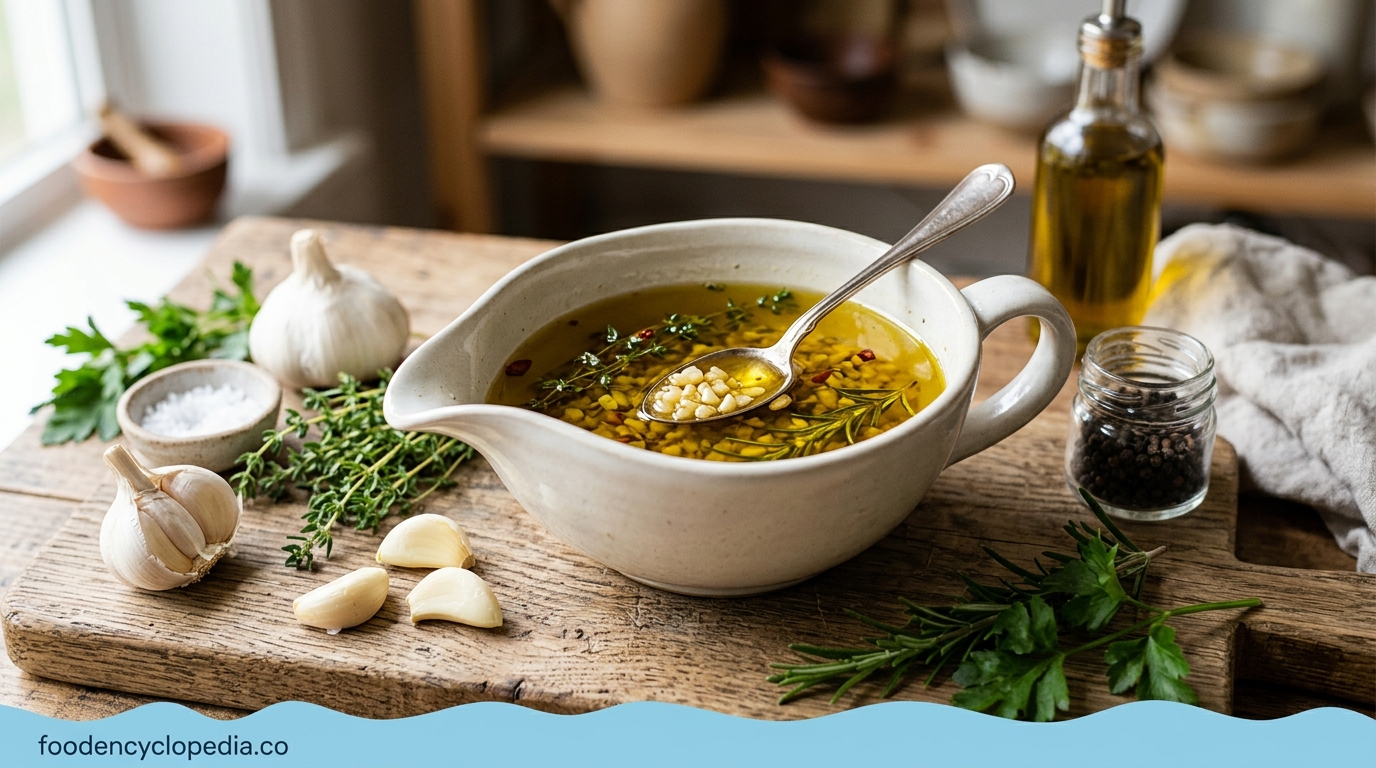
Garlic oil is created by infusing a carrier oil — most commonly olive, avocado, or a neutral oil like sunflower — with the flavor and compounds of fresh or dried garlic. The result is a fragrant, golden-hued oil that carries garlic’s signature taste without the need to chop or mince cloves every time you cook.
There are two main types available:
- Culinary garlic oil, used for cooking, dressings, marinades, and dipping.
- Garlic essential oil, a concentrated extract typically used in aromatherapy or topical wellness applications (this is not the same as the infused cooking oil covered in this article).
Why People Use Garlic Oil
1. Convenience in the Kitchen
Garlic oil delivers consistent, mess-free flavor. A drizzle over roasted vegetables, pasta, or bread eliminates the need for fresh garlic prep while still delivering that signature aromatic punch.
2. Potential Health Benefits
Garlic itself has long been studied for its natural compounds, particularly allicin, which forms when garlic is crushed or chopped. While infusing garlic in oil reduces allicin content compared to raw garlic, garlic oil is still often used for:
- Adding antioxidant-rich flavor to meals
- Supporting heart-healthy cooking habits when paired with olive oil
- Use in traditional and home remedies (always consult a healthcare provider before using it medicinally)
3. Versatility Beyond the Kitchen
Some people use garlic oil in DIY hair and scalp treatments or skin care, thanks to its warming aroma and traditional folk use. As with any topical application, a patch test is recommended before broader use.
Important Safety Note Before You Start
Homemade garlic-in-oil infusions carry a real food safety risk: garlic is a low-acid food, and oil creates an anaerobic (oxygen-free) environment — the exact conditions in which Clostridium botulinum, the bacteria responsible for botulism, can grow and produce toxin. This risk is invisible; the oil won’t necessarily look, smell, or taste spoiled.
To make garlic oil safely at home:
- Always refrigerate homemade garlic oil, and use it within 3–4 days.
- Never store homemade garlic oil at room temperature.
- For longer shelf life, consider freezing it in small portions (such as an ice cube tray) instead of refrigerating.
- Adding an acid (like a splash of lemon juice or vinegar) can help reduce risk but does not eliminate it — refrigeration or freezing is still essential.
- If you want a shelf-stable product, look for commercially produced garlic oil, which is manufactured under controlled acidification or sterilization processes that home kitchens can’t replicate.
- Discard any garlic oil that shows bubbling, cloudiness, or an off smell immediately.
With that in mind, here’s how to make a fresh batch safely for short-term use.
How to Make Garlic Oil at Home
Ingredients
- 1 cup olive oil (or avocado, sunflower, or another neutral oil of choice)
- 4–6 fresh garlic cloves, peeled and lightly crushed
- Optional: a small splash of lemon juice or vinegar for added acidity
Equipment
- Small saucepan
- Fine mesh strainer or cheesecloth
- Clean, airtight glass jar or bottle
Method
1. Prepare the garlic Peel the garlic cloves and lightly crush or slice them to help release their natural oils and flavor.
2. Gently heat the oil and garlic Combine the oil and garlic in a small saucepan over low heat. Warm gently for 5–10 minutes — the goal is to infuse flavor, not fry the garlic. Watch closely; garlic burns quickly and turns bitter if overheated.
3. Cool completely Remove the pan from heat and let the mixture cool to room temperature. This step matters both for flavor development and food safety — never bottle hot oil.
4. Strain Once cooled, strain out the garlic solids using a fine mesh strainer or cheesecloth. Removing all solid particles helps reduce the risk of bacterial growth during storage.
5. Bottle and refrigerate Pour the strained oil into a clean, airtight glass container. Label it with the date and refrigerate immediately. Use within 3–4 days for best quality and safety.
Simple Ways to Use Garlic Oil
- Drizzle over roasted or grilled vegetables
- Whisk into salad dressings and vinaigrettes
- Use as a finishing oil for pasta, soups, or flatbreads
- Brush over bread before toasting for an easy garlic bread
- Mix into marinades for meat, tofu, or seafood
Final Thoughts
Garlic oil is a simple, flavorful addition to any kitchen, offering the convenience of garlic’s signature taste without the daily prep work. While it’s easy to make at home, food safety should always come first: refrigerate promptly, use within a few days, and consider commercially prepared options if you want a longer-lasting, shelf-stable product. With the right precautions, garlic oil can become a reliable staple in your cooking rotation.