Nabulsi Cheese
Nabulsi Cheese: The Traditional Palestinian Delicacy Rich in Flavor and Heritage
Introduction
Nabulsi cheese is one of the most celebrated traditional cheeses in the Middle East, renowned for its distinctive salty flavor, firm texture, and deep cultural significance. Originating from the historic city of Nablus in Palestine, this iconic white brined cheese has been a staple of Levantine cuisine for centuries. Today, Nabulsi cheese continues to be cherished across Palestine, Jordan, and neighboring countries, where it is used in both savory and sweet dishes.
As global interest in authentic regional foods continues to grow, Nabulsi cheese has gained recognition among food enthusiasts seeking traditional dairy products with rich culinary heritage and exceptional taste.
What Is Nabulsi Cheese?
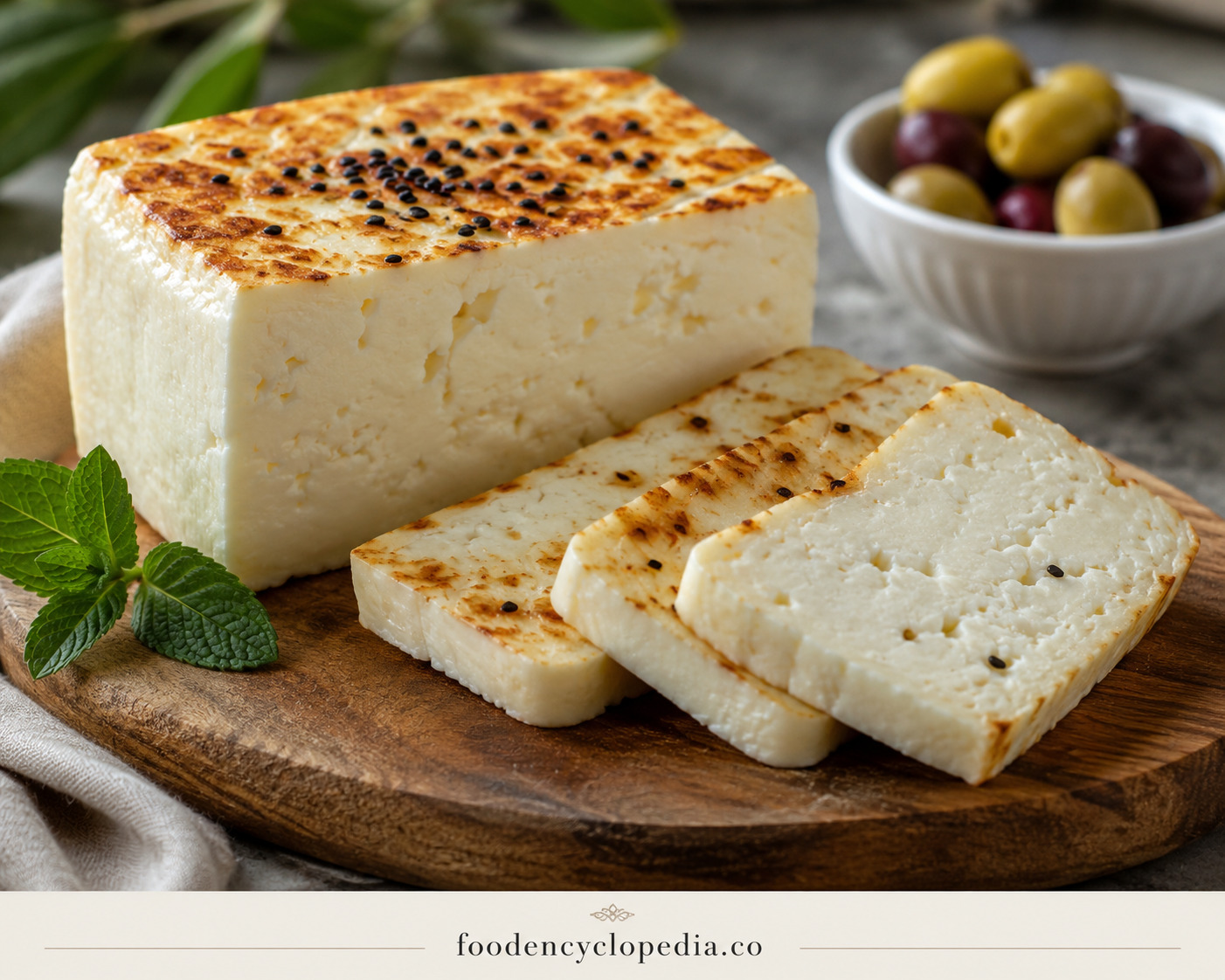
Nabulsi cheese is a semi-hard, white brined cheese traditionally made from sheep’s milk, although modern production often incorporates goat’s milk or cow’s milk. The cheese is known for its slightly salty taste, elastic texture, and ability to retain its shape when heated.
Unlike many Western cheeses, Nabulsi cheese is commonly preserved in a saltwater brine, which contributes to its characteristic flavor and extended shelf life. The cheese may also be flavored with aromatic spices such as mahleb (St. Lucie cherry seed) or mastic, adding subtle notes that distinguish authentic varieties.
The History and Origins of Nabulsi Cheese
The origins of Nabulsi cheese can be traced back hundreds of years to the city of Nablus, one of the oldest continuously inhabited cities in the world. Historically, local families developed specialized cheesemaking techniques using milk from sheep and goats raised in the surrounding hills.
Over time, Nabulsi cheese became an integral part of Palestinian culinary traditions and a symbol of regional identity. Its production methods were passed down through generations, preserving artisanal practices that continue to influence modern cheesemaking today.
The cheese remains an important cultural and economic product throughout the Levant, reflecting the area’s rich agricultural heritage and longstanding dairy traditions.
Characteristics of Authentic Nabulsi Cheese
Several qualities distinguish Nabulsi cheese from other Middle Eastern cheeses:
- White, semi-hard texture
- Mildly salty and slightly tangy flavor
- Preserved in brine for freshness
- Excellent heat resistance
- Traditionally made from sheep’s or goat’s milk
- Often infused with mahleb or mastic
These characteristics make Nabulsi cheese versatile and highly valued in traditional Middle Eastern cuisine.
Culinary Uses of Nabulsi Cheese
Nabulsi cheese plays a central role in numerous regional recipes. It can be enjoyed fresh, grilled, fried, or baked, making it one of the most versatile cheeses in Levantine cooking.
Popular uses include:
1. Kanafeh
Perhaps the most famous use of Nabulsi cheese is in kanafeh, the beloved Middle Eastern dessert made with shredded pastry, sweet syrup, and melted cheese. The cheese’s ability to soften without completely melting creates the perfect texture for this iconic dish.
2. Breakfast Platters
Nabulsi cheese is commonly served at breakfast alongside olives, fresh vegetables, olive oil, and traditional flatbreads.
3. Grilled or Fried Cheese
Due to its firm structure, Nabulsi cheese can be grilled or pan-fried without losing its shape, creating a delicious golden exterior and soft interior.
4. Pastries and Savory Dishes
The cheese is frequently incorporated into pies, pastries, and stuffed breads throughout the Levant.
Nutritional Benefits of Nabulsi Cheese
Like many dairy products, Nabulsi cheese provides valuable nutrients, including:
- High-quality protein
- Calcium for bone health
- Phosphorus
- Essential vitamins
- Healthy fats
Because it is stored in brine, Nabulsi cheese may contain relatively high levels of sodium. Consumers seeking lower sodium intake often soak the cheese in water before use to reduce salt content.
Nabulsi Cheese in Modern Cuisine
As consumers increasingly seek authentic and artisanal foods, Nabulsi cheese has found a place in contemporary culinary trends. Chefs around the world are incorporating it into fusion dishes, gourmet appetizers, salads, and Mediterranean-inspired menus.
Its unique texture and rich cultural story make it an attractive ingredient for restaurants and specialty food retailers seeking distinctive regional products.
Conclusion
Nabulsi cheese is far more than a traditional dairy product—it is a symbol of Palestinian culinary heritage and one of the Middle East’s most treasured cheeses. With its distinctive flavor, versatile culinary applications, and centuries-old history, Nabulsi cheese continues to captivate food lovers across generations and borders.
Whether enjoyed in a classic kanafeh, served on a breakfast table, or featured in innovative modern recipes, Nabulsi cheese remains a timeless ingredient that celebrates the rich traditions of Levantine cuisine.