
Raclette Cheese
Raclette Cheese: Switzerland’s Legendary Melted Cheese Tradition
Raclette cheese is one of the most celebrated cheeses in the world, renowned for its rich flavor, exceptional melting qualities, and deep-rooted connection to Alpine culinary traditions. Originating in the mountainous regions of Switzerland, Raclette has evolved from a humble shepherd’s meal into an internationally loved gourmet experience enjoyed across Europe and beyond.
What Is Raclette Cheese?
Raclette is a semi-hard cow’s milk cheese traditionally produced in Switzerland and neighboring Alpine regions of France. The name “Raclette” comes from the French word racler, meaning “to scrape,” which refers to the traditional method of melting the cheese and scraping the softened layer onto potatoes, cured meats, vegetables, and bread.
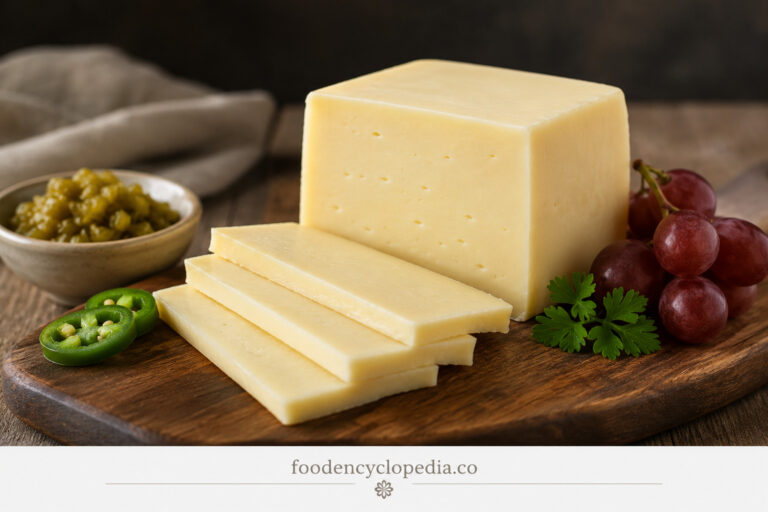
This iconic cheese is distinguished by its smooth texture, pale yellow interior, and natural rind. When heated, Raclette melts evenly without becoming oily, creating a creamy and velvety consistency that makes it ideal for communal dining and comfort food dishes.
Flavor Profile
Raclette cheese offers a balanced and approachable flavor that appeals to a wide range of cheese lovers. Its taste is characterized by:
- Mild nuttiness
- Buttery richness
- Subtle fruity notes
- Earthy and savory undertones
- A slightly tangy finish
As the cheese ages, its flavor becomes more complex and pronounced while maintaining its signature smoothness.
Origins and History
The history of Raclette dates back several centuries in the Swiss Alps. Alpine farmers and shepherds would place a wheel of cheese near an open fire, allowing the surface to melt before scraping it onto boiled potatoes and rustic bread. This practical and nourishing meal provided warmth and sustenance during long days in the mountains.
Over time, the tradition spread throughout Switzerland, France, Germany, and other European countries, becoming a beloved social dining experience that brings friends and family together around the table.
How Raclette Is Made
Traditional Raclette cheese is crafted from high-quality cow’s milk using time-honored cheesemaking techniques. The process typically includes:
- Heating and culturing fresh milk.
- Adding rennet to form curds.
- Pressing the curds into large wheels.
- Aging the cheese for several months.
- Developing its characteristic texture and flavor during maturation.
The aging process allows the cheese to achieve the perfect balance between firmness and meltability.
Culinary Uses
Raclette is best known for its melting properties and versatility in the kitchen. Popular serving methods include:
- Melted over boiled potatoes
- Paired with cured meats and charcuterie
- Served with pickles and onions
- Added to roasted vegetables
- Used in sandwiches and burgers
- Incorporated into gratins and baked dishes
Modern Raclette grills have made it easier than ever to recreate the traditional experience at home, turning meals into interactive and memorable gatherings.
Nutritional Benefits
Like many natural cheeses, Raclette provides several essential nutrients, including:
- High-quality protein
- Calcium for bone health
- Vitamin B12
- Phosphorus
- Healthy fats
When enjoyed as part of a balanced diet, Raclette can be both a satisfying and nutritious addition to meals.
Why Raclette Cheese Remains Popular
The enduring popularity of Raclette lies in its unique combination of flavor, tradition, and social appeal. Few cheeses can match its ability to transform a simple meal into a warm and interactive dining experience. Whether enjoyed in a traditional Alpine setting or at a modern dinner party, Raclette continues to symbolize comfort, hospitality, and the rich heritage of European cheesemaking.
Conclusion
Raclette cheese is far more than just a melting cheese—it’s a culinary tradition that has delighted generations. With its creamy texture, rich flavor, and fascinating history, Raclette remains one of the world’s most iconic cheeses. From classic Swiss recipes to contemporary gourmet creations, this Alpine favorite continues to earn its place among the finest cheeses available today.