
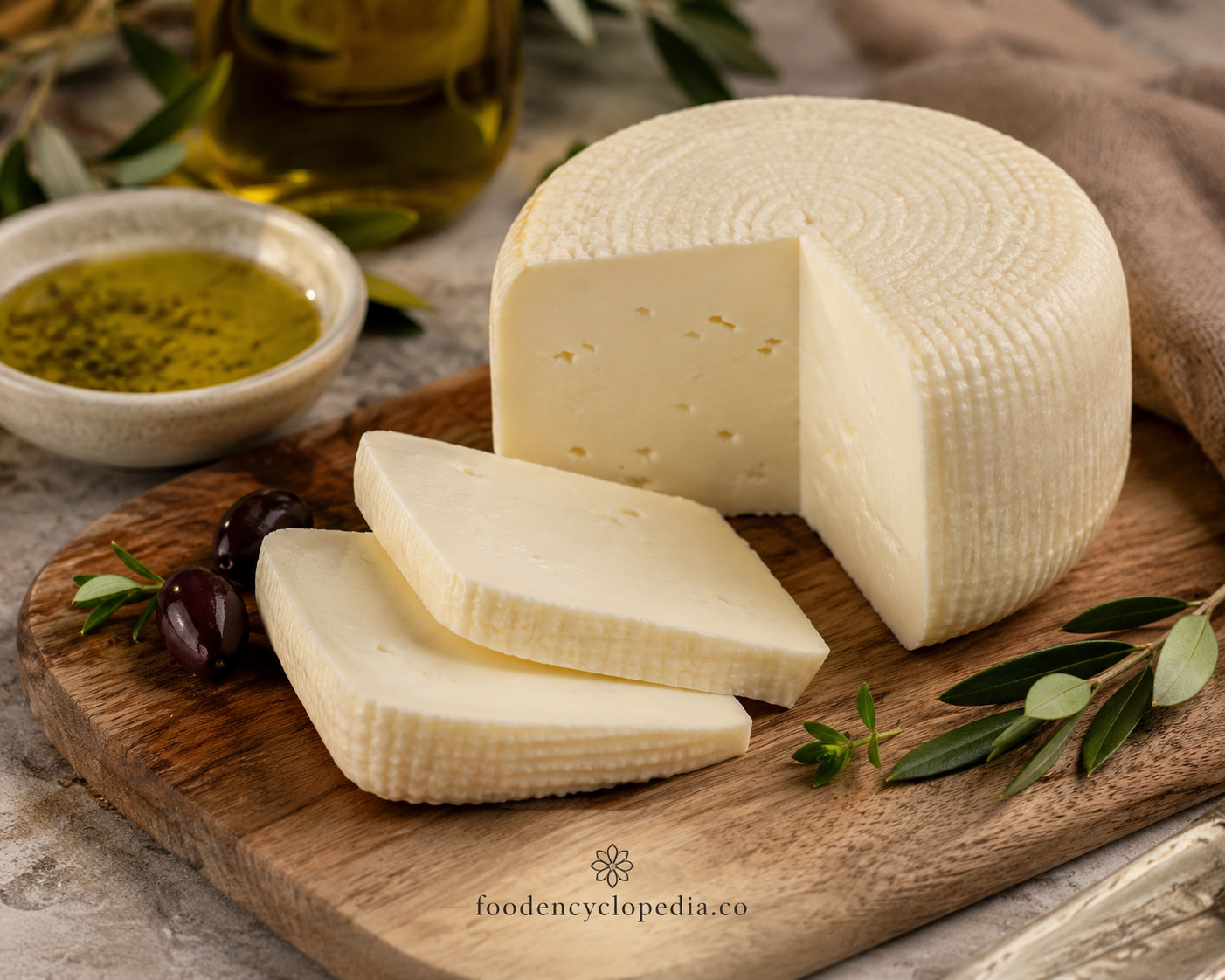
Akkawi Cheese
Akkawi Cheese: A Traditional Middle Eastern Delicacy
What Is Akkawi Cheese?
Akkawi cheese is a soft, white brined cheese that originated in the historic city of Acre (Akka) in the Eastern Mediterranean region. Renowned for its mild flavor, smooth texture, and exceptional versatility, Akkawi cheese has become a staple ingredient in Middle Eastern cuisine and is enjoyed across countries such as Lebanon, Palestine, Jordan, Syria, and beyond.
Made primarily from cow’s milk, although sheep’s or goat’s milk may also be used, Akkawi cheese is characterized by its fresh taste and slightly salty profile. Its unique texture makes it ideal for both savory and sweet dishes, contributing to its popularity among chefs, home cooks, and food enthusiasts worldwide.
The Origins and Heritage of Akkawi Cheese
The name “Akkawi” derives from the ancient coastal city of Akka (Acre), reflecting the cheese’s rich cultural and culinary heritage. For generations, Akkawi cheese has been produced using traditional cheesemaking methods that emphasize freshness, quality, and simplicity.
As Middle Eastern cuisine has gained international recognition, Akkawi cheese has emerged as one of the region’s most sought-after dairy products, appreciated for its authentic flavor and culinary flexibility.
Taste and Texture
Akkawi cheese offers a mild, creamy taste with a subtle salty note resulting from the brining process. Unlike aged cheeses with strong aromas and complex flavors, Akkawi provides a delicate profile that complements a wide variety of ingredients without overpowering them.
Its semi-soft texture allows it to be easily sliced, melted, or shredded, making it an excellent choice for numerous recipes. When soaked in water to reduce salt content, Akkawi cheese becomes even more versatile for use in sweet pastries and desserts.
Culinary Uses of Akkawi Cheese
One of the most appealing aspects of Akkawi cheese is its adaptability in the kitchen. It is commonly used in:
- Traditional Middle Eastern pastries such as kunafa and cheese-filled pastries
- Fresh sandwiches and wraps
- Breakfast platters with olives, vegetables, and flatbread
- Salads and mezze spreads
- Baked dishes and savory pies
- Pizza and flatbread toppings
Because of its excellent melting properties, Akkawi cheese is frequently chosen for recipes that require a creamy texture and mild dairy flavor.
Nutritional Benefits
Akkawi cheese is a valuable source of essential nutrients, including:
- High-quality protein
- Calcium for bone health
- Phosphorus and other important minerals
- Vitamins that support overall wellness
As with many brined cheeses, sodium levels may be higher than in some fresh cheeses. Consumers seeking lower salt content can soak the cheese in water before use.
Why Akkawi Cheese Is Growing in Popularity
The increasing global demand for authentic international foods has contributed to the rising popularity of Akkawi cheese. Its mild taste appeals to a broad audience, while its versatility allows it to be incorporated into both traditional Middle Eastern recipes and modern fusion cuisine.
Food manufacturers, restaurants, and specialty retailers continue to expand their offerings of Akkawi cheese to meet consumer interest in premium dairy products with rich cultural origins.
Conclusion
Akkawi cheese represents the perfect blend of tradition, flavor, and versatility. With its rich Middle Eastern heritage, delicate taste, and wide range of culinary applications, it has earned its place among the world’s most beloved brined cheeses. Whether enjoyed in classic regional dishes or contemporary recipes, Akkawi cheese offers a delicious and authentic dining experience that continues to captivate food lovers around the globe.