Teriyaki Sauce
Teriyaki Sauce: Japan’s Sweet and Savory Glaze for Flavorful Cooking
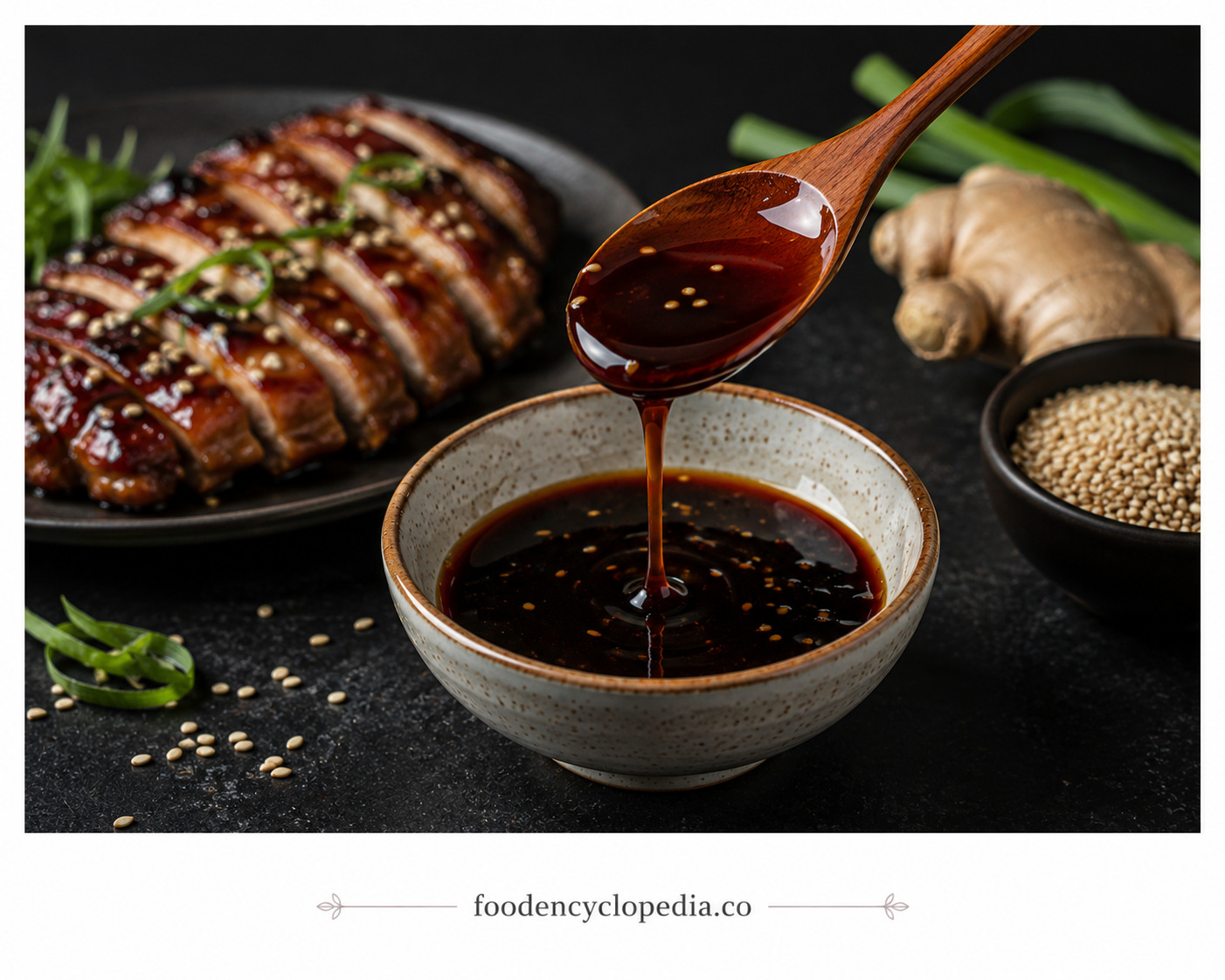
Teriyaki sauce is one of the most beloved condiments in Japanese cuisine, celebrated for its perfect balance of sweet and savory flavors. Known for its glossy appearance and rich taste, teriyaki sauce is widely used as a marinade, glaze, and finishing sauce for meats, seafood, vegetables, and rice dishes. Its distinctive flavor profile has made it a favorite not only in Japan but also in kitchens around the world.
The word “teriyaki” comes from the Japanese terms teri, meaning “shine” or “glaze,” and yaki, meaning “grilled” or “broiled.” This reflects the sauce’s traditional use in creating beautifully caramelized and shiny grilled foods. Today, teriyaki sauce is a staple ingredient in both traditional Japanese cooking and modern fusion cuisine.
What Is Teriyaki Sauce?
Teriyaki sauce is a flavorful blend of soy sauce, mirin, sugar, and sake or other sweeteners. The ingredients are simmered together to create a thick, glossy sauce that coats food with a rich umami flavor and a subtle sweetness.
While traditional recipes remain popular, modern versions often include ingredients such as ginger, garlic, honey, or brown sugar to enhance the flavor and complexity of the sauce.
How Teriyaki Sauce Is Made
Making teriyaki sauce is simple and requires only a few pantry ingredients.
Ingredients
- ½ cup soy sauce
- ¼ cup mirin (Japanese sweet rice wine)
- 2 tablespoons sake (optional)
- 2 tablespoons brown sugar or honey
- 1 teaspoon grated fresh ginger
- 1 clove garlic, minced
- 1 teaspoon cornstarch mixed with 2 teaspoons water (optional, for thickening)
Instructions
1. Combine the Ingredients
In a small saucepan, combine the soy sauce, mirin, sake, brown sugar, ginger, and garlic. Stir until the sugar dissolves.
2. Simmer the Sauce
Place the saucepan over medium heat and bring the mixture to a gentle simmer. Allow it to cook for 5–10 minutes, stirring occasionally.
3. Thicken the Sauce
For a thicker glaze, add the cornstarch slurry while stirring continuously. Continue cooking until the sauce reaches the desired consistency.
4. Cool and Store
Remove from heat and allow the sauce to cool. Store it in an airtight container in the refrigerator for up to two weeks.
Nutritional Benefits
Teriyaki sauce provides rich flavor with minimal effort, making it an excellent way to enhance meals. It contains naturally occurring amino acids from soy sauce and can be customized with lower-sodium or reduced-sugar ingredients to suit dietary preferences.
Popular Uses for Teriyaki Sauce
Teriyaki sauce is commonly used for:
- Grilled chicken and beef
- Salmon and other seafood dishes
- Stir-fried vegetables
- Rice and noodle bowls
- Marinades for meats and tofu
- Glazes for roasted vegetables
- Japanese-inspired burgers and sandwiches
- Dipping sauces and appetizers
Its sweet, savory, and umami-rich profile makes it one of the most versatile sauces in modern cooking.
Tips for the Best Homemade Teriyaki Sauce
- Use authentic Japanese soy sauce and mirin for the most traditional flavor.
- Simmer gently to prevent burning the sugars.
- Adjust sweetness according to personal preference.
- Add extra ginger or garlic for a bolder taste.
- Refrigerate leftovers to maintain freshness.
Conclusion
Teriyaki sauce is a timeless Japanese condiment that combines sweetness, saltiness, and umami into a perfectly balanced glaze. Its simple ingredients and versatile nature make it an essential addition to countless recipes. Whether used as a marinade, cooking sauce, or finishing glaze, homemade teriyaki sauce delivers authentic flavor and a beautiful glossy finish that elevates any dish.