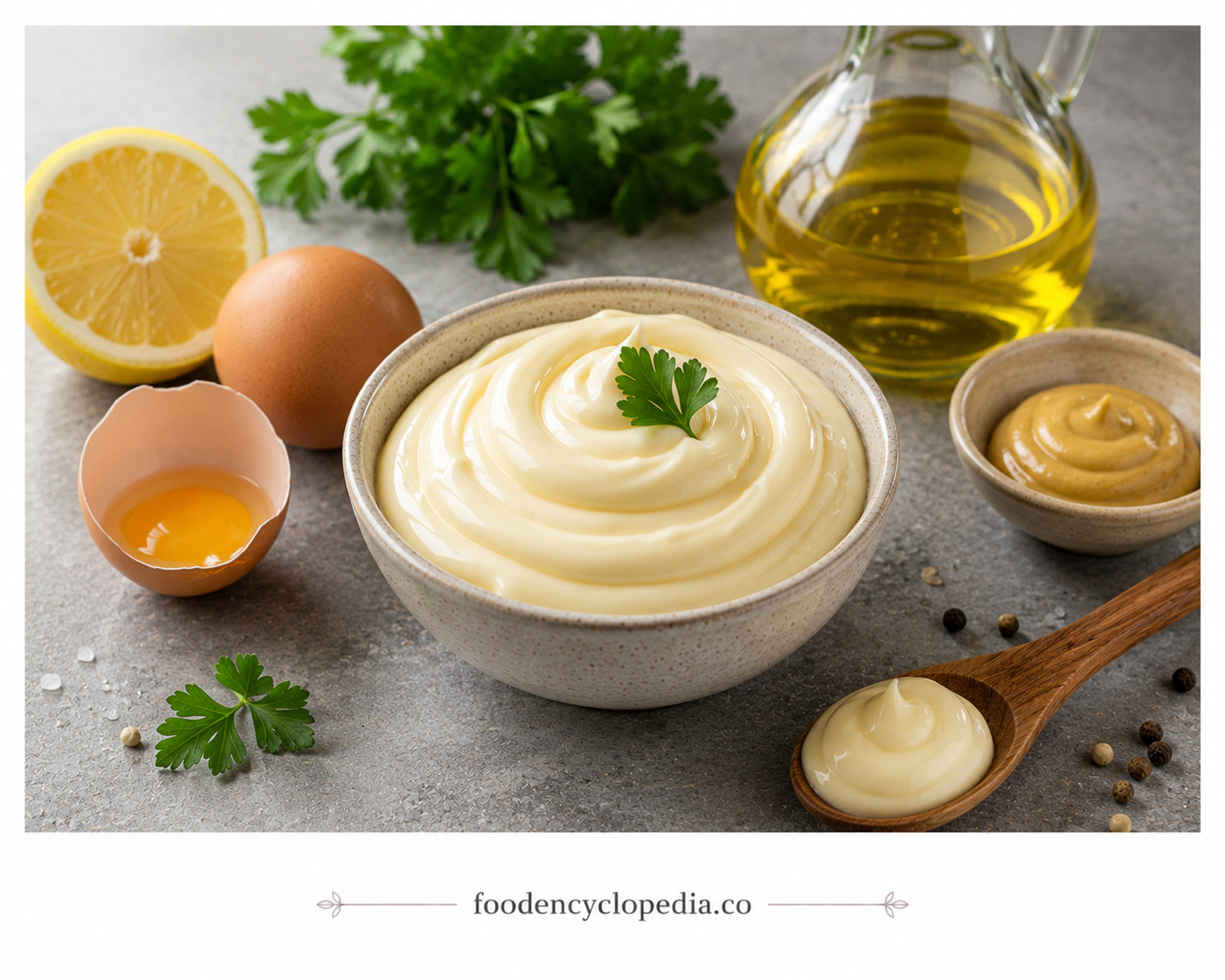
Mayonnaise Sauce
Mayonnaise Sauce: The Creamy Classic That Elevates Countless Dishes
Mayonnaise sauce is one of the world’s most popular and versatile condiments, prized for its rich, creamy texture and smooth, tangy flavor. Found in kitchens across the globe, mayonnaise serves as a fundamental ingredient in sandwiches, salads, dips, dressings, and countless culinary creations. Its ability to enhance both simple and sophisticated dishes has made it a staple in home cooking and professional gastronomy alike.
Traditionally made from egg yolks, oil, and an acidic ingredient such as lemon juice or vinegar, mayonnaise is an emulsion that transforms a few simple ingredients into a luxurious sauce. Today, it is available in numerous varieties, including classic, light, flavored, and vegan versions, each catering to different tastes and dietary preferences.
What Is Mayonnaise Sauce?
Mayonnaise is a cold emulsified sauce created by slowly blending oil into egg yolks while continuously whisking. The egg yolks act as an emulsifier, allowing the oil and liquid ingredients to combine into a thick, smooth, and stable mixture.
The result is a creamy condiment with a mild tanginess that complements a wide variety of foods. Its neutral flavor also makes it an ideal base for creating other sauces and dressings.
How Mayonnaise Sauce Is Made
Homemade mayonnaise is surprisingly simple to prepare and often delivers fresher flavor than store-bought alternatives.
Ingredients
- 1 large egg yolk
- 1 cup neutral oil (such as sunflower, canola, or vegetable oil)
- 1 tablespoon fresh lemon juice or white vinegar
- 1 teaspoon Dijon mustard
- ¼ teaspoon salt
- A pinch of black pepper (optional)
Instructions
1. Prepare the Base
In a mixing bowl, combine the egg yolk, mustard, lemon juice, and salt. Whisk until fully blended.
2. Add the Oil Gradually
While whisking continuously, add the oil drop by drop at first. This step is essential for creating a stable emulsion.
3. Continue Whisking
Once the mixture begins to thicken, slowly pour the remaining oil in a thin, steady stream while whisking vigorously.
4. Adjust the Flavor
Taste the mayonnaise and adjust the seasoning with additional salt, lemon juice, or pepper if desired.
5. Chill Before Serving
Transfer the mayonnaise to a clean container and refrigerate for at least 30 minutes before use.
Nutritional Value of Mayonnaise
Mayonnaise is primarily composed of healthy fats from vegetable oils and contains small amounts of vitamins found in egg yolks. While it is calorie-dense, it can be enjoyed as part of a balanced diet when consumed in moderation.
Homemade mayonnaise also allows complete control over ingredients, avoiding unnecessary preservatives and additives.
Popular Uses for Mayonnaise
Mayonnaise is widely used in:
- Sandwiches and burgers
- Potato salad
- Coleslaw
- Pasta salads
- Dips and spreads
- Seafood dishes
- Chicken salads
- Deviled eggs
- Homemade dressings and sauces
Its creamy texture makes it an indispensable ingredient in both classic and modern recipes.
Tips for Perfect Homemade Mayonnaise
- Use room-temperature ingredients for easier emulsification.
- Add the oil very slowly during the initial mixing stage.
- Use fresh lemon juice for a brighter flavor.
- If the mayonnaise becomes too thick, add a teaspoon of water.
- Store refrigerated and consume within a few days for optimal freshness.
Conclusion
Mayonnaise sauce is a timeless culinary staple known for its smooth texture, rich flavor, and exceptional versatility. Made from simple ingredients through the process of emulsification, it serves as the foundation for countless recipes around the world. Whether used as a spread, dressing, dip, or sauce base, homemade mayonnaise delivers fresh flavor and creamy perfection that enhances every meal.