Espagnole Sauce
Espagnole Sauce: The Rich Foundation of Classic French Cuisine
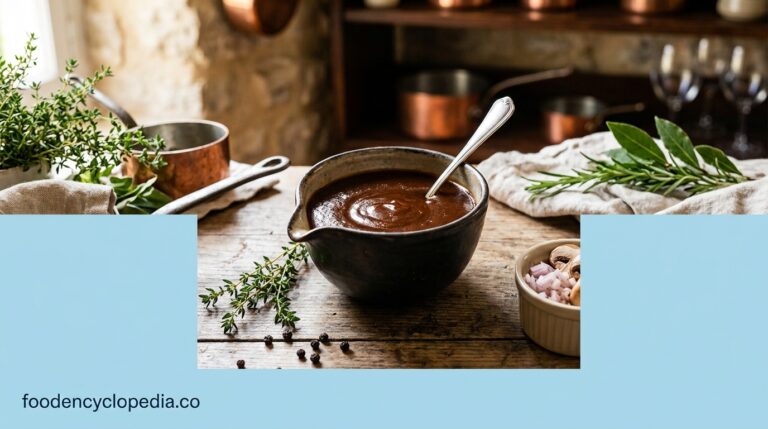
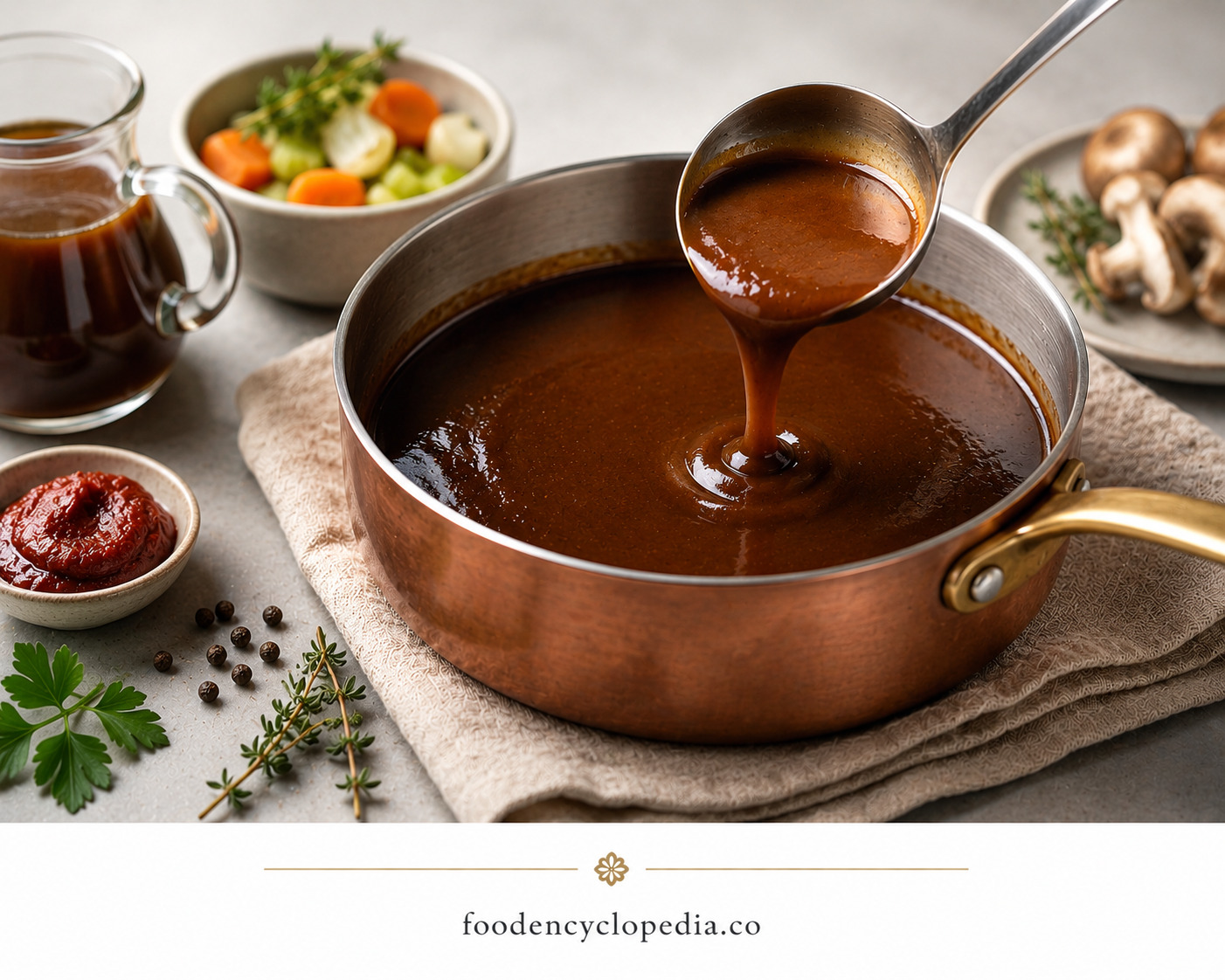
Espagnole Sauce, commonly known as Brown Sauce, is one of the five legendary mother sauces of classical French cooking. Celebrated for its deep, complex flavor and rich brown color, Espagnole serves as the foundation for numerous traditional sauces and gourmet dishes. Developed as part of the French culinary system, this sauce combines roasted bones, brown stock, vegetables, tomato paste, and a brown roux to create a robust and savory base that enhances meat-based recipes.
As one of the cornerstones of haute cuisine, Espagnole Sauce is prized for its ability to deliver depth, richness, and umami to a wide variety of dishes. Although modern chefs often use simplified versions, the traditional preparation remains a symbol of classic French culinary craftsmanship.
What Does Espagnole Sauce Taste Like?
Espagnole Sauce has a rich, savory, and slightly earthy flavor profile. The combination of roasted bones, aromatic vegetables, tomato paste, and stock creates layers of complexity with subtle sweetness and deep umami notes. Its bold taste makes it particularly suitable for beef, veal, lamb, and game dishes.
How to Make Espagnole Sauce
While Espagnole Sauce requires patience, the process is straightforward and rewarding.
Ingredients
- 2 tablespoons butter
- 2 tablespoons all-purpose flour
- 4 cups brown beef or veal stock
- 1 carrot, finely diced
- 1 celery stalk, finely diced
- 1 small onion, finely diced
- 2 tablespoons tomato paste
- 1 bay leaf
- Fresh thyme sprigs
- Salt and pepper to taste
Step 1: Prepare the Brown Roux
Melt the butter in a large saucepan over medium heat. Add the flour and cook while stirring continuously until the mixture develops a rich brown color. This brown roux provides both flavor and thickening power.
Step 2: Sauté the Vegetables
Add the diced onion, carrot, and celery to the saucepan. Cook until the vegetables soften and begin to caramelize, enhancing the sauce’s depth of flavor.
Step 3: Add Tomato Paste
Stir in the tomato paste and cook for several minutes. This step intensifies the color and contributes subtle sweetness and acidity.
Step 4: Incorporate the Stock
Gradually whisk in the warm brown stock until the mixture becomes smooth. Add the bay leaf and thyme.
Step 5: Simmer Slowly
Allow the sauce to simmer gently for 45–60 minutes, stirring occasionally and skimming any impurities from the surface. This slow cooking process develops the sauce’s signature richness.
Step 6: Strain and Finish
Strain the sauce through a fine sieve to remove the vegetables and herbs. Season with salt and pepper as desired.
Nutritional Value of Espagnole Sauce
Espagnole Sauce contains protein and minerals derived from the stock, while the vegetables contribute vitamins and antioxidants. Because it is stock-based rather than cream-based, it offers substantial flavor without excessive dairy content.
Culinary Uses of Espagnole Sauce
Espagnole Sauce is commonly used in:
- Beef and veal dishes
- Lamb and game recipes
- Braised meats
- Roasted poultry
- Gourmet gravies
- French-inspired entrées
- Derivative sauces such as Demi-Glace, Bordelaise, and Chasseur Sauce
Its rich flavor makes it a valuable ingredient in fine dining and classic European cuisine.
Conclusion
Espagnole Sauce is one of the most important creations in French gastronomy. Its rich brown color, complex flavor, and versatility have made it an essential component of traditional culinary arts for centuries. Whether used as a standalone sauce or as the foundation for other classic preparations, Espagnole continues to elevate meat dishes with its remarkable depth and sophistication.