Majdoulle Cheese
Majdoulle Cheese: A Premium Braided Cheese Tradition and How It Is Made
Introduction to Majdoulle Cheese
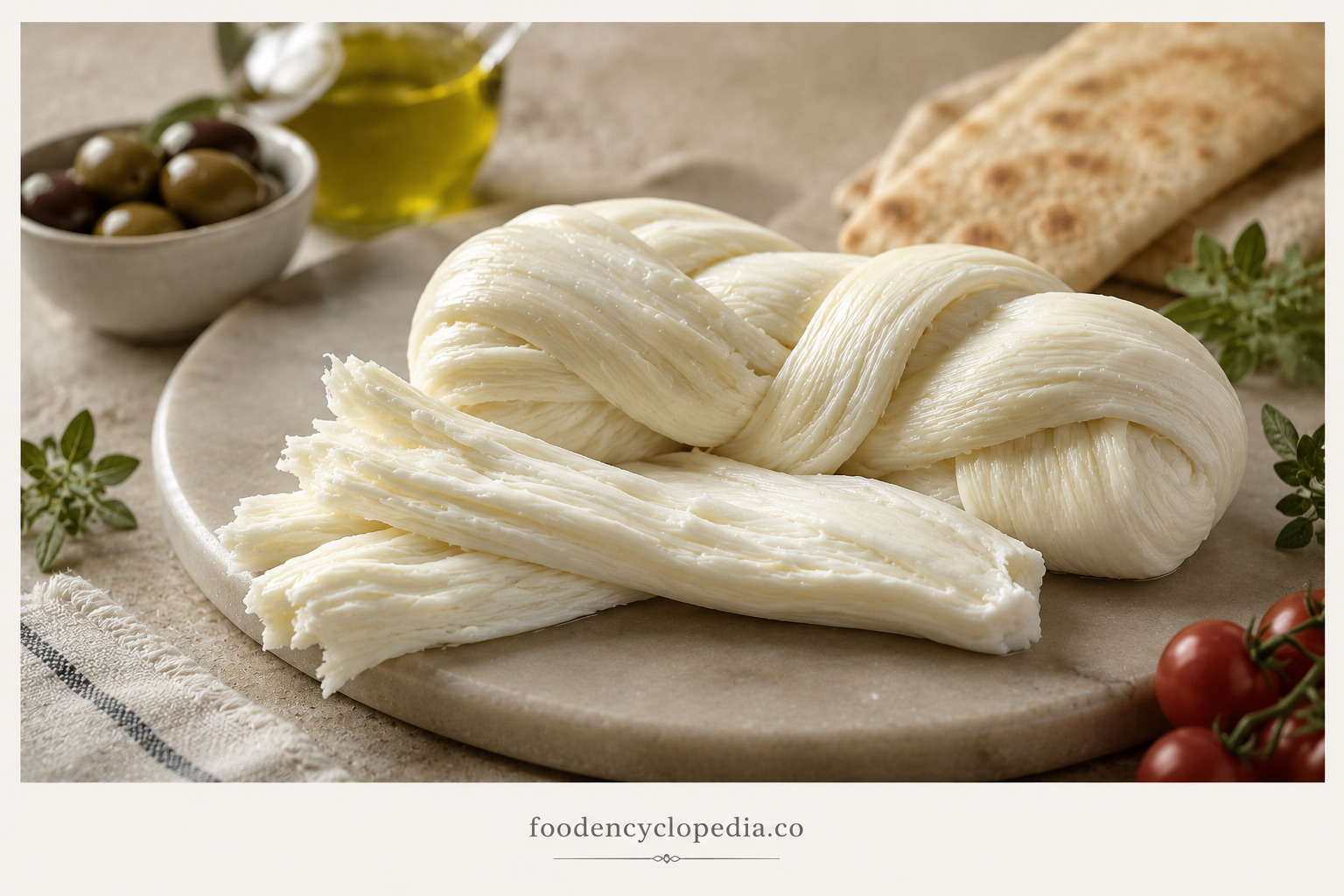
Majdoulle cheese is a distinctive and highly valued traditional Middle Eastern cheese known for its unique braided appearance, elastic texture, and rich dairy flavor. Popular throughout the Levant region, particularly in Syria, Lebanon, Jordan, and neighboring countries, Majdoulle cheese has earned a reputation as a premium artisanal cheese that combines centuries-old cheesemaking traditions with exceptional taste and versatility.
The name “Majdoulle” is derived from the Arabic word meaning “braided” or “woven,” referring to the cheese’s characteristic hand-braided strands. Its attractive presentation, combined with its mildly salty flavor and chewy texture, makes it a favorite choice for breakfast tables, appetizers, sandwiches, and traditional Middle Eastern dishes.
As consumer demand for authentic and natural dairy products continues to grow, Majdoulle cheese remains one of the most sought-after specialty cheeses in regional and international markets.
Characteristics of Majdoulle Cheese
Majdoulle cheese is easily recognized by its unique braided shape and smooth, glossy surface. Unlike soft white cheeses, it possesses a semi-hard, elastic texture that allows it to be pulled into strands and woven into decorative braids.
Key characteristics include:
- Distinctive hand-braided appearance
- Mild, slightly salty flavor
- Elastic and chewy texture
- Bright white color
- High protein and calcium content
- Excellent shelf stability when stored in brine
These qualities make Majdoulle cheese a versatile product suitable for both direct consumption and culinary applications.
How Majdoulle Cheese Is Made
The production of Majdoulle cheese requires specialized techniques that transform fresh milk into the signature braided cheese loved by consumers across the Middle East.
1. Milk Selection and Standardization
The process begins with high-quality cow’s milk, sheep’s milk, or a blend of both. The milk is carefully filtered and standardized to ensure consistent fat and protein levels, which are essential for achieving the desired texture and elasticity.
2. Pasteurization
The milk is pasteurized under controlled conditions to eliminate harmful microorganisms while preserving its nutritional value and natural dairy characteristics.
3. Coagulation
After cooling to the appropriate temperature, starter cultures and rennet are added to the milk. The rennet causes the milk proteins to coagulate, forming a firm curd. This process typically takes between 30 and 60 minutes.
4. Cutting and Cooking the Curd
The curd is cut into small pieces to release whey and then gently heated. This step helps develop the structure required for the stretching process that follows.
5. Fermentation and Acid Development
The curd is allowed to mature until it reaches the appropriate acidity level. Proper acid development is crucial because it determines the cheese’s ability to stretch and form smooth fibers during processing.
6. Stretching the Cheese
One of the most important stages in Majdoulle cheese production is the stretching process. The curd is immersed in hot water and kneaded repeatedly until it becomes smooth, elastic, and capable of being stretched into long strands.
This traditional technique is similar to the process used for other stretched-curd cheeses and is responsible for the unique texture of Majdoulle cheese.
7. Braiding the Cheese
Once the cheese reaches the desired elasticity, skilled cheesemakers pull it into long strips and carefully braid the strands by hand. This handcrafted step gives Majdoulle cheese its iconic appearance and artisanal value.
8. Salting and Brining
After braiding, the cheese is placed in a salt brine solution. The brining process enhances flavor, improves preservation, and helps maintain the cheese’s texture and freshness during storage.
9. Packaging and Storage
The finished cheese is packaged in containers with brine or vacuum-sealed packaging, depending on market requirements. Proper storage ensures product quality and extends shelf life while preserving the cheese’s traditional characteristics.
Nutritional Benefits of Majdoulle Cheese
Majdoulle cheese provides a variety of essential nutrients, making it a valuable addition to a balanced diet.
Key nutritional benefits include:
- High-quality protein for muscle development and maintenance
- Calcium for strong bones and teeth
- Phosphorus and essential minerals
- Vitamin B12 and other important B vitamins
- Healthy dairy fats that provide energy
Its nutritional profile, combined with its distinctive taste and texture, contributes to its popularity among consumers of all ages.
Culinary Uses of Majdoulle Cheese
Majdoulle cheese is widely used in Middle Eastern cuisine and can be enjoyed in numerous ways, including:
- Served as part of traditional breakfast platters
- Added to sandwiches and wraps
- Paired with olives, vegetables, and fresh herbs
- Used in appetizers and cheese boards
- Incorporated into baked goods and pastries
- Served alongside fruits and nuts
Its unique braided shape also makes it an attractive centerpiece for food presentations and catering events.
Conclusion
Majdoulle cheese is a celebrated traditional braided cheese that reflects the rich dairy heritage of the Middle East. From the careful selection of milk to the skilled hand-braiding process, every stage of production contributes to its exceptional texture, flavor, and visual appeal. As demand for authentic artisanal cheeses continues to expand worldwide, Majdoulle cheese remains a premium dairy product valued for its craftsmanship, nutritional benefits, and distinctive culinary versatility.