Palm Oil
Palm Oil: What It Is, Where It Comes From, and How It’s Made
Palm oil is one of the most widely used vegetable oils in the world, found in everything from packaged snacks and cosmetics to biofuels and soaps. Despite its ubiquity, many consumers know surprisingly little about what palm oil actually is, where it comes from, or how it moves from tree to table. This guide breaks down the essentials.
What Is Palm Oil?
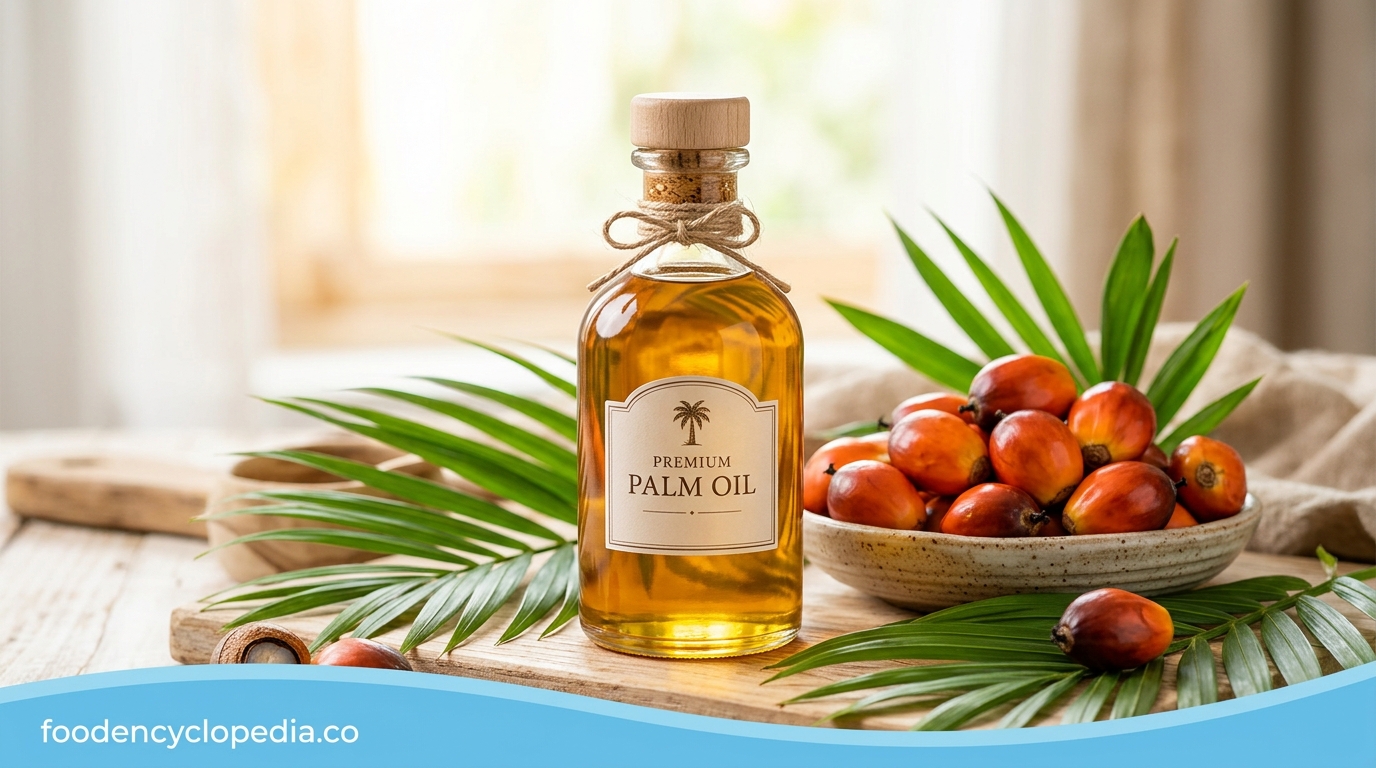
Palm oil is an edible vegetable oil derived from the fruit of the oil palm tree (Elaeis guineensis). Unlike oils extracted from seeds, such as soybean or sunflower oil, palm oil comes from the fleshy fruit itself, which is why oil palms are so productive: a single hectare of oil palm can yield far more oil per year than most other oilseed crops.
There are actually two oils produced from the oil palm fruit:
- Crude palm oil (CPO): extracted from the fruit’s flesh (mesocarp), reddish-orange in color, and rich in carotenoids and vitamin E.
- Palm kernel oil: extracted from the seed (kernel) inside the fruit, which has a different fatty acid profile closer to coconut oil.
Palm oil’s popularity stems from its semi-solid texture at room temperature, long shelf life, neutral flavor, and low production cost, making it a versatile ingredient for food manufacturers.
Where Is Palm Oil Grown?
Oil palms thrive in tropical climates with consistent rainfall and warm temperatures. The vast majority of global palm oil production comes from Southeast Asia, particularly Indonesia and Malaysia, which together account for roughly 85% of the world’s supply. Other notable producing countries include Thailand, Colombia, and Nigeria, where the oil palm is native.
How Is Palm Oil Made? The Production Process
Turning oil palm fruit into the refined palm oil found in consumer products involves several distinct stages:
1. Cultivation and Harvesting
Oil palm trees begin producing fruit bunches about 3–4 years after planting and remain productive for 20–25 years. Ripe fruit bunches, called fresh fruit bunches (FFBs), are harvested by hand using long poles with sickle-shaped blades, since the fruit grows high in the tree’s crown. Timing matters: fruit must be harvested at peak ripeness for optimal oil yield and quality.
2. Transport to the Mill
Because the fruit begins to lose quality quickly after harvesting, FFBs are transported to a processing mill within 24 hours. Delays can increase the oil’s free fatty acid content, reducing its grade.
3. Sterilization
At the mill, the fruit bunches are sterilized using high-pressure steam. This step softens the fruit, halts enzymatic activity that would otherwise degrade oil quality, and makes it easier to separate the fruit from the bunch stalk.
4. Threshing
Sterilized bunches are fed into a threshing machine, which uses rotating drums to strip the individual fruitlets from the bunch. The empty bunches are often repurposed as organic fertilizer or biomass fuel.
5. Digestion and Pressing
The loose fruitlets are mashed in a digester to break down the fruit’s cell walls, then pressed to extract crude palm oil from the pulp. This pressing step separates the liquid oil from the fibrous solids and nuts.
6. Clarification and Purification
The extracted crude oil still contains water and impurities. It passes through a clarification tank and centrifuges to remove these, resulting in clarified crude palm oil, which is then dried and stored.
7. Kernel Recovery
The leftover nuts from the pressing stage are separated from fibrous residue, cracked open, and their kernels are processed separately to produce palm kernel oil and palm kernel cake (used in animal feed).
8. Refining
Crude palm oil is generally further refined before it reaches consumers. Refining removes free fatty acids, odors, and color pigments through processes like degumming, bleaching, and deodorization, producing refined, bleached, and deodorized (RBDO) palm oil—the neutral, shelf-stable product used in food manufacturing.
9. Fractionation
Refined palm oil can be separated (“fractionated”) into two components: palm olein (the liquid fraction, used in cooking oils) and palm stearin (the solid fraction, used in margarines, shortenings, and confectionery).
Common Uses of Palm Oil
Palm oil’s versatility makes it a staple ingredient across multiple industries:
- Food products: margarine, instant noodles, baked goods, chocolate spreads, and packaged snacks
- Personal care: soaps, shampoos, and cosmetics
- Industrial applications: biodiesel and lubricants
- Animal feed: palm kernel cake as a protein source
Sustainability Considerations
Palm oil production has drawn significant environmental scrutiny, primarily due to its link to deforestation, habitat loss for species like orangutans, and greenhouse gas emissions from land clearing. In response, certification bodies such as the Roundtable on Sustainable Palm Oil (RSPO) have established standards for responsible cultivation, covering issues like deforestation-free supply chains, fair labor practices, and biodiversity protection. Consumers increasingly look for the RSPO certification label as an indicator of more sustainably sourced palm oil.
Conclusion
Palm oil’s efficiency, versatility, and low cost have made it indispensable to global food and consumer goods industries. Understanding its journey—from harvested fruit bunches to refined oil—helps explain both its widespread use and the sustainability challenges tied to its production. As demand grows, the push toward certified, sustainably produced palm oil will likely shape the industry’s future.