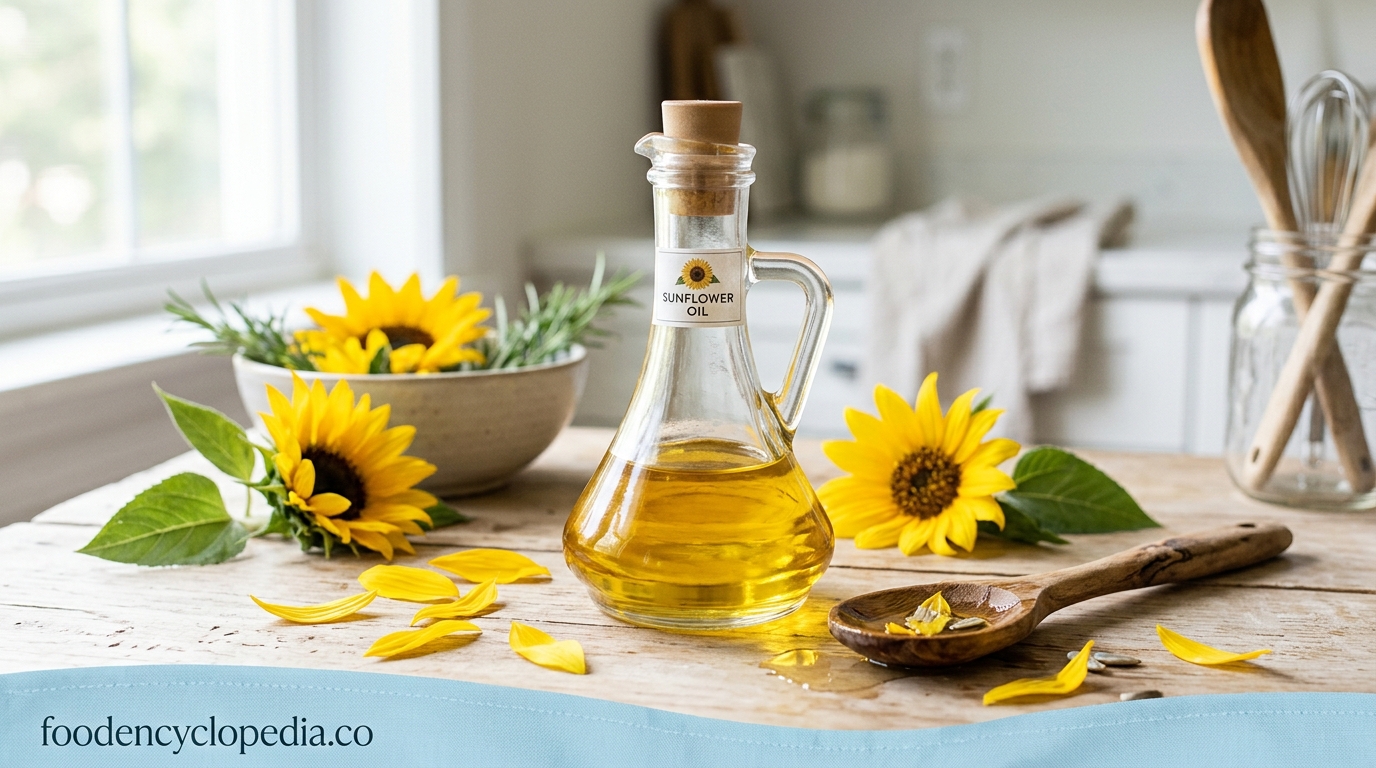
Sunflower Oil
Sunflower Oil: A Complete Introduction and Guide to Its Production
What Is Sunflower Oil?
Sunflower oil is a light, neutral-tasting vegetable oil extracted from the seeds of the sunflower plant (Helianthus annuus). Prized worldwide for its mild flavor, high smoke point, and favorable nutritional profile, sunflower oil has become one of the most widely used cooking oils on the planet. It’s a staple in households, restaurants, and food manufacturing facilities, valued for its versatility in frying, baking, sautéing, and salad dressings.
Beyond the kitchen, sunflower oil also plays a role in cosmetics, skincare products, and even biodiesel production, making it one of the most economically important oilseed crops globally.
Nutritional Profile and Health Benefits
Sunflower oil is rich in vitamin E, an antioxidant that supports skin health and helps protect cells from oxidative damage. It’s also a good source of polyunsaturated and monounsaturated fats, which are generally considered heart-healthier alternatives to saturated fats.
There are several varieties of sunflower oil, each with a slightly different fatty acid composition:
- High-linoleic sunflower oil – rich in polyunsaturated fat (omega-6), commonly used for general cooking
- High-oleic sunflower oil – higher in monosaturated fat, more heat-stable, and popular for frying and long shelf-life products
- Mid-oleic sunflower oil – a balance between the two, often used in snack food production
Because of its light texture and near-neutral taste, sunflower oil doesn’t overpower the flavor of dishes, which is one reason it’s so popular in both home and commercial cooking.
How Sunflower Oil Is Made: The Production Process
Making sunflower oil involves several key stages, from harvesting the seeds to refining the final product. Here’s a breakdown of the process:
1. Harvesting the Sunflower Seeds
Sunflowers are harvested once the flower heads have dried and turned brown, and the seeds have reached maximum oil content. Specialized combine harvesters remove the seeds from the flower heads.
2. Cleaning and Preparing the Seeds
The harvested seeds are cleaned to remove debris, dust, and plant material. They’re then dried to an optimal moisture level (typically around 6-7%) to ensure efficient oil extraction and to prevent spoilage during storage.
3. Dehulling (Optional)
Some processing methods remove the outer hull of the seed before extraction. Dehulling can improve oil yield and quality, though whole-seed pressing is also common, especially for cold-pressed oils.
4. Extraction
There are two primary methods for extracting oil from sunflower seeds:
- Mechanical (Cold) Pressing: Seeds are pressed under high pressure using a screw press, without the use of heat or chemicals. This method preserves more nutrients and produces oil often labeled “cold-pressed” or “virgin” sunflower oil. It has a lower yield but is prized for flavor and nutritional retention.
- Solvent Extraction: For higher yields, seeds (or the leftover press cake from mechanical pressing) are treated with a solvent, typically hexane, which dissolves the oil out of the seed material. The solvent is later evaporated and recovered, leaving behind crude oil.
5. Refining
Crude sunflower oil extracted through either method usually undergoes refining to remove impurities, improve color, neutralize free fatty acids, and extend shelf life. Refining typically includes:
- Degumming – removing phospholipids and gums
- Neutralization – treating with an alkali to remove free fatty acids
- Bleaching – using clay or activated carbon to remove pigments
- Deodorization – using steam distillation under vacuum to remove odors and improve taste
Refined sunflower oil has a longer shelf life, higher smoke point, and more neutral taste compared to unrefined varieties.
6. Filtration and Packaging
The finished oil is filtered to remove any remaining solids, then bottled or packaged for distribution. Quality control checks ensure the oil meets safety and purity standards before it reaches store shelves.
Cold-Pressed vs. Refined Sunflower Oil
| Feature | Cold-Pressed | Refined |
|---|---|---|
| Flavor | Nutty, more distinct | Neutral |
| Nutrient retention | Higher | Lower |
| Smoke point | Lower (~225°F/107°C) | Higher (~440°F/227°C) |
| Shelf life | Shorter | Longer |
| Best use | Dressings, drizzling | Frying, baking, high-heat cooking |
Common Uses of Sunflower Oil
- Cooking and frying – thanks to its high smoke point (especially high-oleic varieties)
- Baking – as a neutral fat substitute in cakes and baked goods
- Salad dressings and marinades – particularly cold-pressed varieties
- Skincare and cosmetics – as an emollient in lotions, soaps, and hair products
- Industrial applications – including biodiesel and lubricants
Conclusion
Sunflower oil’s popularity comes down to its versatility, mild flavor, and beneficial fatty acid content. Whether cold-pressed for maximum nutrition and flavor or refined for high-heat cooking and shelf stability, sunflower oil remains a kitchen essential across the globe. Understanding how it’s made — from seed to bottle — offers a deeper appreciation for this everyday cooking staple and helps consumers choose the right variety for their needs.