Paneer Cheese
Paneer Cheese: A Traditional Indian Delight and How It Is Made
Introduction to Paneer Cheese
Paneer is a fresh, non-aged cheese that has been a staple in South Asian cuisine for centuries. Widely used across India, Pakistan, Bangladesh, and Nepal, paneer is celebrated for its mild flavor, soft texture, and remarkable versatility in cooking. Unlike many Western cheeses, paneer does not require aging or fermentation, making it one of the simplest and most nutritious dairy products available.
Rich in protein, calcium, and essential nutrients, paneer is particularly popular among vegetarians as an excellent source of high-quality protein. It is commonly used in a variety of dishes, including curries, grilled preparations, snacks, and desserts. Popular recipes such as Palak Paneer, Paneer Butter Masala, and Shahi Paneer have helped this traditional cheese gain international recognition.
What Is Paneer?
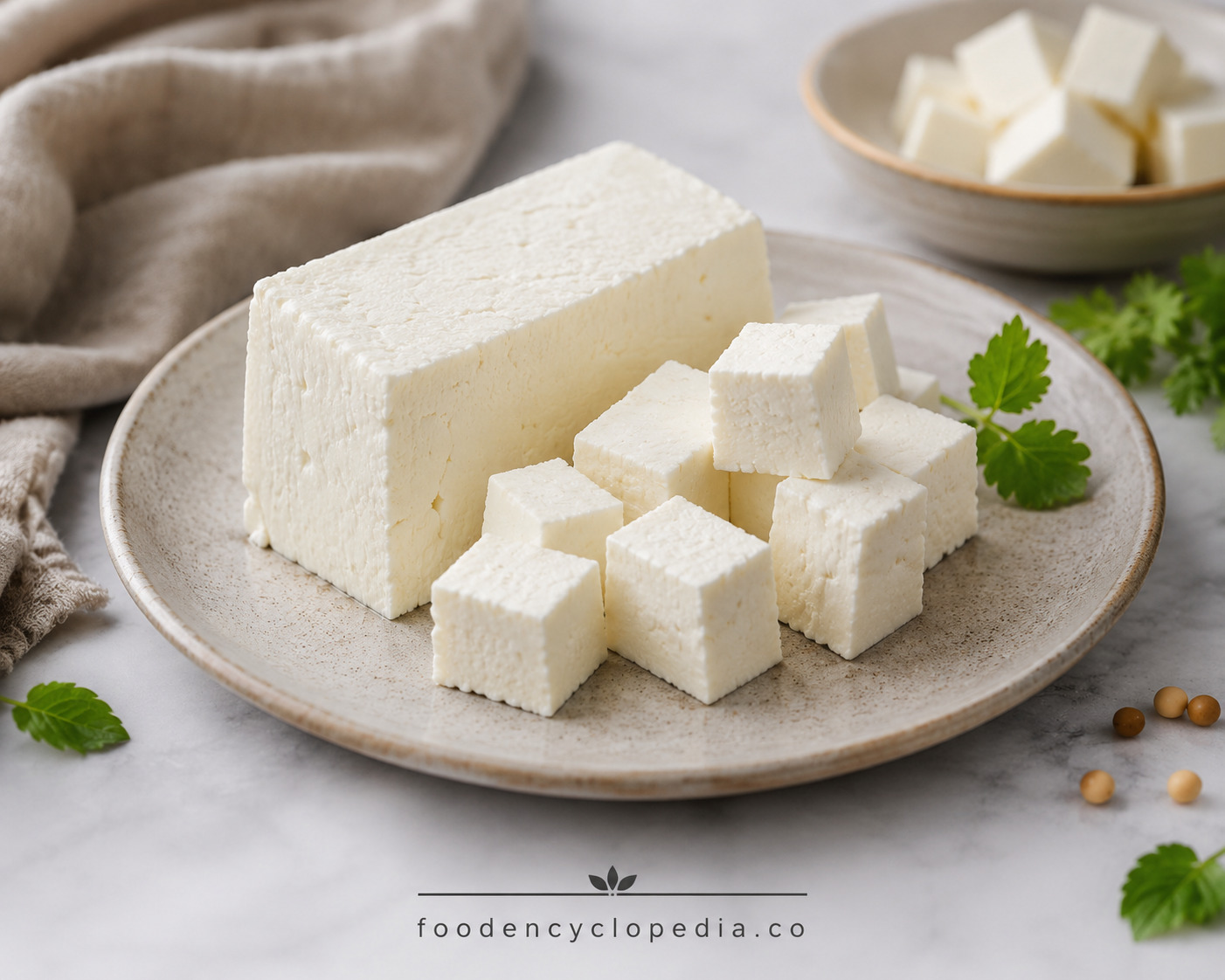
Paneer is a fresh cheese produced by curdling milk with a food-grade acid such as lemon juice, vinegar, or citric acid. The curdled milk solids are separated from the whey, then pressed into a compact block. Because paneer is made without rennet, it is suitable for vegetarian diets and retains a firm texture that does not melt when heated.
This unique characteristic allows paneer to be fried, grilled, baked, or simmered in sauces while maintaining its shape, making it a preferred ingredient in countless culinary applications.
How Paneer Is Made
The paneer-making process is simple yet requires careful control of temperature and acidity to achieve the desired texture and quality.
1. Milk Selection
The process begins with fresh, high-quality milk. Whole milk is generally preferred because its higher fat content produces a richer and creamier paneer. Cow’s milk and buffalo milk are both commonly used, with buffalo milk yielding a firmer and whiter product.
2. Heating the Milk
The milk is heated to approximately 85–90°C (185–194°F) while being stirred continuously. Proper heating helps ensure effective coagulation and improves the final texture of the cheese.
3. Coagulation
Once the milk reaches the desired temperature, a coagulant such as lemon juice, vinegar, or citric acid solution is gradually added. The acid lowers the pH of the milk, causing the milk proteins to coagulate and separate from the liquid whey.
Within minutes, visible curds form, indicating successful coagulation.
4. Separation of Curds and Whey
The mixture is poured through a muslin cloth or cheesecloth to separate the curds from the whey. The whey is drained away, while the curds are collected and rinsed with cold water to remove excess acidity and improve flavor.
5. Pressing
The collected curds are wrapped in cloth and pressed under weight for several hours. Pressing removes excess moisture and helps form a solid block. The duration and pressure applied determine the firmness of the final paneer.
6. Cooling and Packaging
After pressing, the paneer block is cooled and cut into the desired shapes and sizes. For commercial production, the paneer may be vacuum-packed or sealed in food-grade packaging to maintain freshness and extend shelf life.
Nutritional Benefits of Paneer
Paneer offers numerous health benefits, making it a valuable addition to a balanced diet:
- High-quality protein for muscle growth and repair
- Rich source of calcium for bone health
- Contains essential vitamins and minerals
- Low in carbohydrates
- Suitable for vegetarian diets
- Provides sustained energy and satiety
Applications of Paneer in Food Preparation
Paneer is widely used in both traditional and modern recipes. Its neutral flavor allows it to absorb spices and seasonings effectively. Common applications include:
- Indian curries and gravies
- Grilled and barbecued dishes
- Salads and wraps
- Appetizers and snacks
- Desserts and sweets
- Fusion and international cuisine
Conclusion
Paneer is one of the most versatile and nutritious fresh cheeses in the world. Its simple manufacturing process, high nutritional value, and adaptability in cooking have made it a beloved ingredient across global cuisines. Whether produced at home or on a commercial scale, paneer continues to be a valuable dairy product that combines tradition, taste, and health benefits in every serving.