Parmigiano Reggiano cheese
Parmigiano Reggiano Cheese: Italy’s Legendary King of Cheeses
Introduction to Parmigiano Reggiano
Parmigiano Reggiano is one of the world’s most celebrated and prestigious cheeses, renowned for its rich flavor, exceptional quality, and centuries-old production traditions. Often referred to as the “King of Cheeses,” this iconic Italian cheese has become a staple ingredient in kitchens across the globe. Produced exclusively in specific regions of northern Italy, Parmigiano Reggiano is protected by strict regulations that preserve its authenticity, craftsmanship, and unique character.
With its hard, granular texture and complex nutty taste, Parmigiano Reggiano is far more than a simple grating cheese. It is a culinary treasure that enhances everything from pasta dishes and risottos to salads, soups, and gourmet appetizers.
What Is Parmigiano Reggiano?
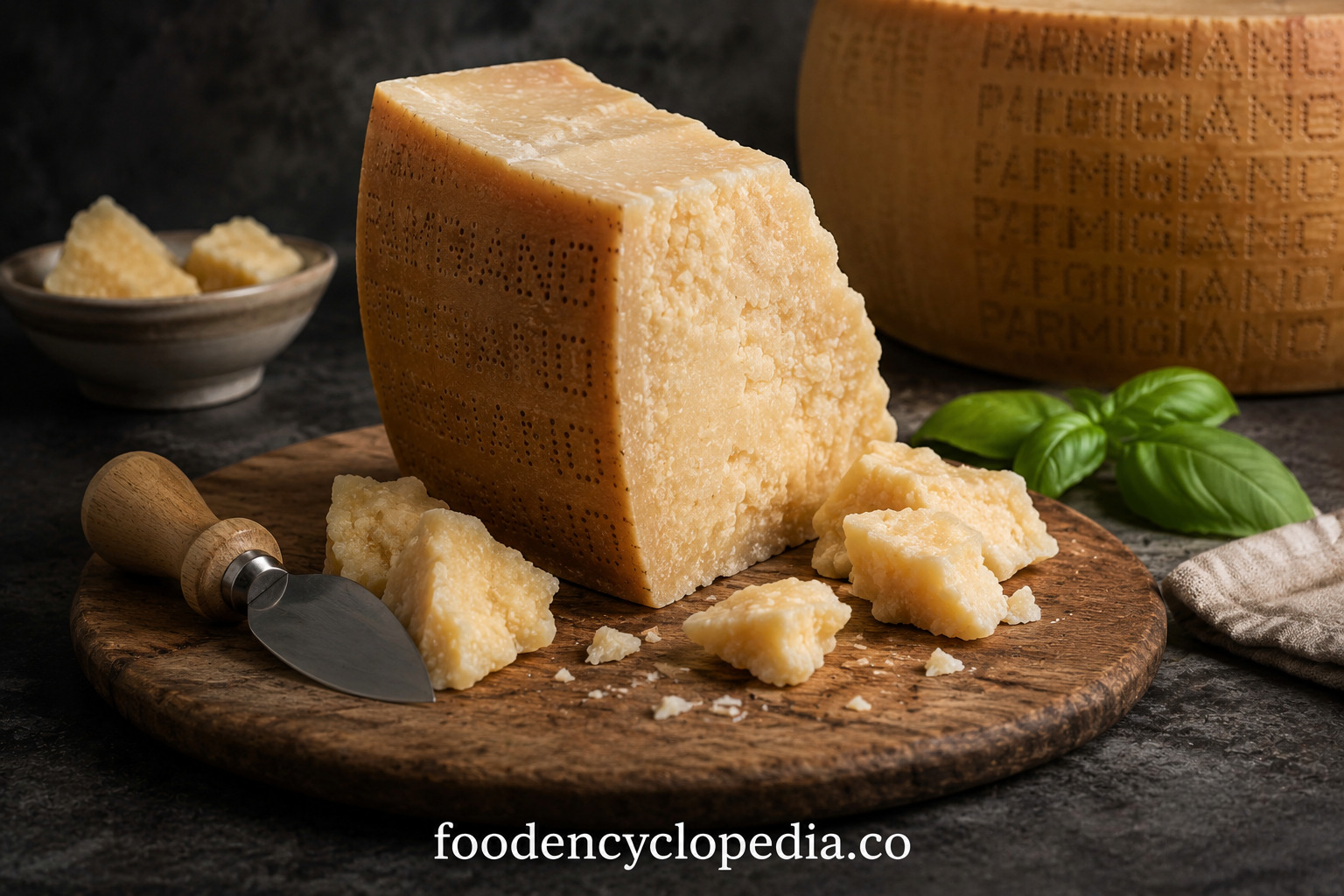
Parmigiano Reggiano is a hard, aged cheese made from raw cow’s milk. It originates from the Italian provinces of Parma, Reggio Emilia, Modena, and parts of Bologna and Mantua. The cheese carries a Protected Designation of Origin (PDO) status, ensuring that only cheese produced according to traditional methods within these designated regions can bear the name Parmigiano Reggiano.
The production process remains remarkably faithful to traditions established over 900 years ago. Skilled cheesemakers use only three ingredients—raw milk, salt, and natural rennet—without any artificial additives or preservatives.
Flavor and Texture
Parmigiano Reggiano is prized for its distinctive flavor profile, which develops during the aging process. Depending on its maturity, the cheese offers notes of nuts, butter, fresh fruit, and savory umami. The texture is firm yet crumbly, with tiny crunchy crystals that are highly valued by cheese enthusiasts.
As the cheese ages, typically for 12 to 36 months or longer, its flavors become increasingly complex, intense, and aromatic.
Nutritional Benefits
Parmigiano Reggiano is naturally rich in protein, calcium, phosphorus, and essential vitamins. Thanks to its long maturation process, it is highly digestible and naturally lactose-free, making it suitable for many individuals with lactose intolerance.
Its concentrated nutritional profile makes it a valuable addition to a balanced diet, supporting bone health, muscle maintenance, and overall well-being.
Culinary Uses
One of the reasons for Parmigiano Reggiano’s worldwide popularity is its versatility. It can be grated over pasta, risotto, and pizza, shaved into salads, or enjoyed on its own with fruit, nuts, and fine wines. The cheese also serves as a key ingredient in many classic Italian recipes, adding depth and richness to sauces, soups, and baked dishes.
Even the rind is appreciated in cooking, often simmered in soups and broths to impart additional flavor.
Why Parmigiano Reggiano Is Special
What sets Parmigiano Reggiano apart is its combination of tradition, terroir, and craftsmanship. Every wheel undergoes rigorous quality inspections before receiving the official Parmigiano Reggiano mark, guaranteeing authenticity and excellence.
Its centuries-old heritage, exceptional nutritional value, and unmistakable flavor have earned it a reputation as one of the finest cheeses in the world. Whether enjoyed as a table cheese or used as a culinary ingredient, Parmigiano Reggiano continues to represent the very best of Italian cheesemaking.
Conclusion
Parmigiano Reggiano is more than just a cheese—it is a symbol of Italian culinary excellence and tradition. With its rich history, remarkable flavor, and versatile applications, it remains a favorite among chefs, food enthusiasts, and cheese lovers worldwide. For anyone seeking an authentic taste of Italy, Parmigiano Reggiano offers an unforgettable gastronomic experience.