Gouda Cheese
Gouda Cheese: The Netherlands’ World-Famous Cheese Tradition
Gouda cheese is one of the most popular and widely enjoyed cheeses in the world. Known for its smooth texture, rich flavor, and remarkable versatility, Gouda has become a staple on cheese boards, sandwiches, and gourmet recipes across the globe. Originating in the Netherlands, this iconic cheese reflects centuries of Dutch cheesemaking expertise and remains a symbol of quality and tradition.
What Is Gouda Cheese?
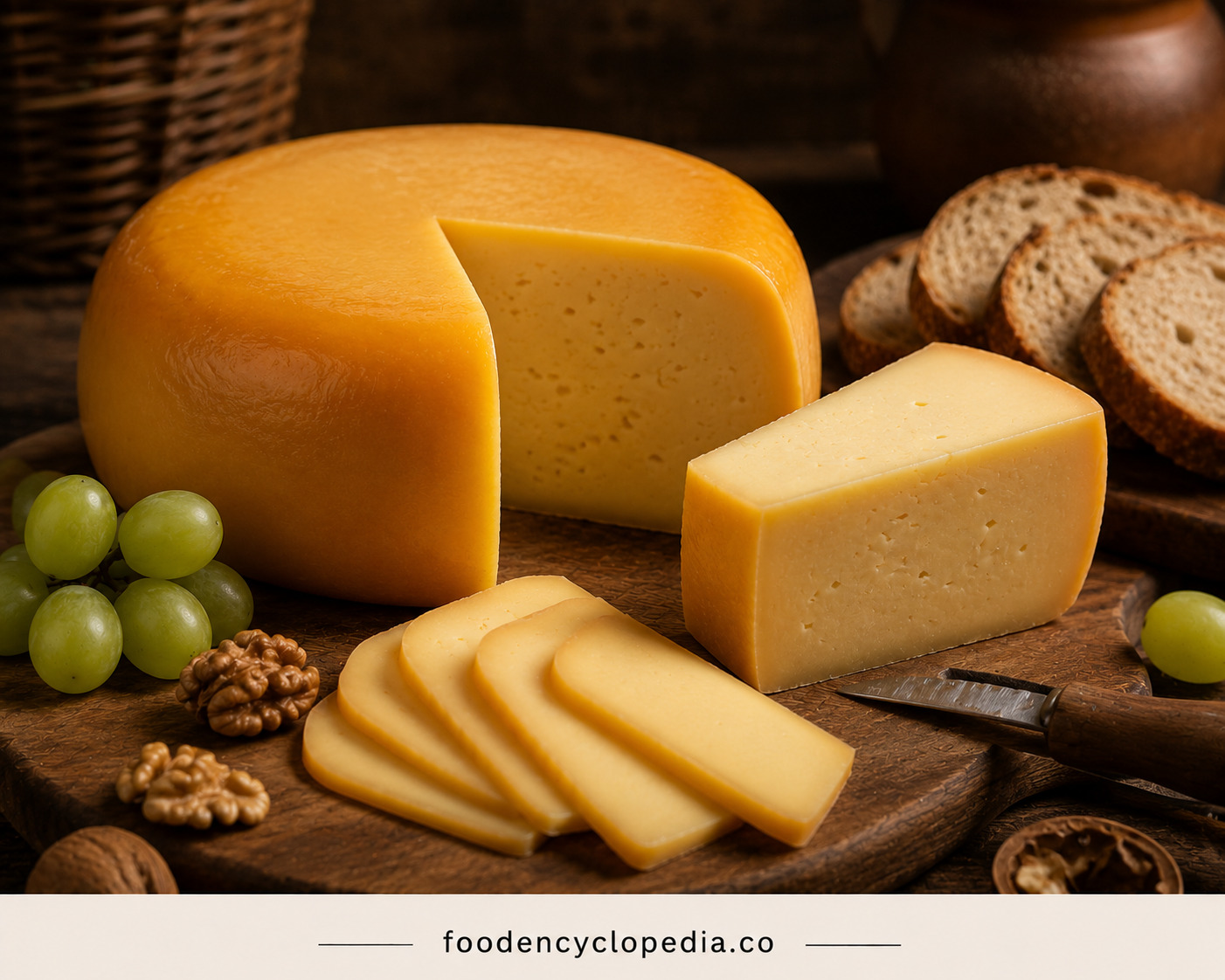
Gouda is a semi-hard to hard cheese traditionally made from cow’s milk. It takes its name from the Dutch city of Gouda, a historic trading center where the cheese was bought and sold for centuries. Today, Gouda is produced in many countries, although authentic Dutch Gouda remains highly regarded for its craftsmanship and distinctive flavor.
Depending on its age, Gouda can range from young and mild to mature and intensely complex. Its smooth texture and excellent melting properties make it one of the most versatile cheeses available.
Flavor Profile
One of the reasons for Gouda’s worldwide popularity is its diverse flavor profile, which evolves during the aging process.
Young Gouda typically offers:
- Mild and creamy flavors
- Buttery sweetness
- Smooth, soft texture
- Subtle milky notes
Aged Gouda develops:
- Rich caramel-like sweetness
- Nutty and savory characteristics
- Deeper complexity
- Firm texture with crunchy protein crystals
This range of flavors allows Gouda to appeal to both casual cheese lovers and experienced connoisseurs.
History and Origins
The history of Gouda cheese dates back to the Middle Ages in the Netherlands. Farmers from surrounding regions brought their cheeses to the city of Gouda, where they were traded in traditional cheese markets. Over time, the city became synonymous with high-quality cheese production, and the name “Gouda” gained international recognition.
For centuries, Dutch cheesemakers have refined their techniques, helping Gouda become one of the most exported and recognized cheeses worldwide.
How Gouda Cheese Is Made
Traditional Gouda production involves several carefully controlled steps:
- Fresh cow’s milk is pasteurized or used raw in traditional varieties.
- Starter cultures and rennet are added to form curds.
- Part of the whey is replaced with warm water, creating a sweeter flavor.
- The curds are pressed into molds.
- The cheese is soaked in brine.
- It is then aged for weeks, months, or even years.
The aging process significantly influences the cheese’s final flavor, texture, and appearance.
Culinary Uses
Gouda is exceptionally versatile and can be enjoyed in numerous ways:
- Served on cheese boards.
- Added to sandwiches and burgers.
- Melted in grilled cheese sandwiches.
- Used in pasta dishes.
- Incorporated into casseroles and gratins.
- Paired with fruits, nuts, and charcuterie.
- Enjoyed as a table cheese with wine.
Its excellent melting characteristics make it particularly popular in both home kitchens and professional culinary settings.
Nutritional Benefits
Gouda cheese provides a variety of essential nutrients, including:
- High-quality protein
- Calcium for strong bones and teeth
- Vitamin B12
- Phosphorus
- Zinc
- Healthy fats
When consumed as part of a balanced diet, Gouda can contribute valuable nutrients while providing satisfying flavor.
What Makes Gouda Cheese Unique?
Gouda stands out because of its ability to transform dramatically as it ages. Few cheeses offer such a broad spectrum of flavors and textures, from creamy and delicate to rich, crystalline, and intensely savory.
Its long history, consistent quality, and culinary flexibility have helped establish Gouda as one of the most beloved cheeses in the world.
Conclusion
Gouda cheese is a true masterpiece of Dutch cheesemaking. With its rich heritage, diverse flavor profile, and exceptional versatility, it continues to delight cheese enthusiasts worldwide. Whether enjoyed young and creamy or aged and complex, Gouda offers a delicious experience that showcases the finest traditions of European cheese production.