Provolone Cheese
Provolone Cheese: A Classic Italian Cheese with Rich Flavor and Tradition
Provolone cheese is one of Italy’s most celebrated cheeses, renowned for its smooth texture, distinctive flavor, and remarkable versatility. Originating in Southern Italy and later perfected in the northern regions, Provolone has become a staple ingredient in kitchens worldwide. Its unique taste profile and excellent melting properties make it a favorite choice for sandwiches, pizzas, pasta dishes, and gourmet cheese boards.
What Is Provolone Cheese?
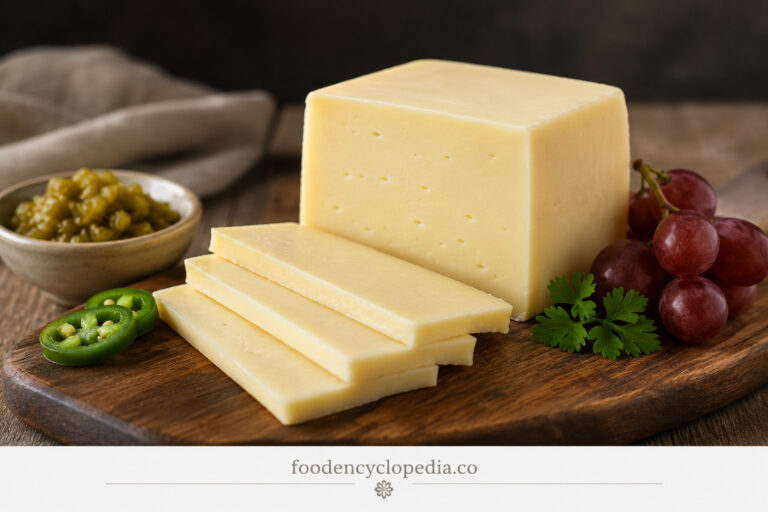
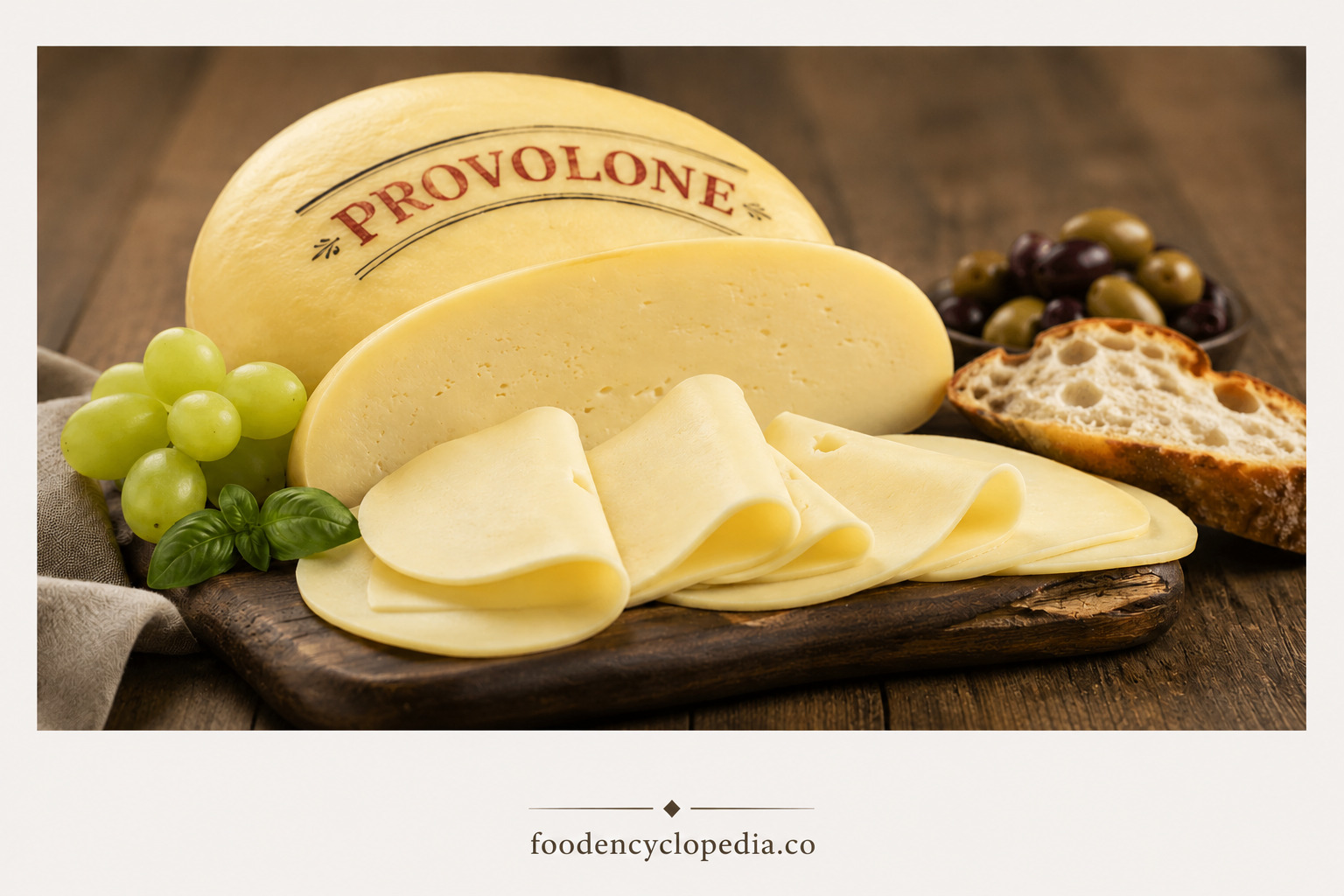
Provolone is a semi-hard, stretched-curd cheese made primarily from cow’s milk. It belongs to the pasta filata family of cheeses, a traditional Italian cheese-making method that includes Mozzarella and Caciocavallo. During production, the curd is heated and stretched, creating Provolone’s characteristic smooth, elastic texture.
The cheese is typically shaped into large cylinders, cones, or pear-like forms and aged for varying lengths of time to develop different flavor intensities.
Types of Provolone Cheese
There are two main varieties of Provolone:
Provolone Dolce
Provolone Dolce is aged for a relatively short period, usually two to three months. It offers a mild, creamy, and slightly sweet flavor, making it ideal for sandwiches, salads, and everyday cooking.
Provolone Piccante
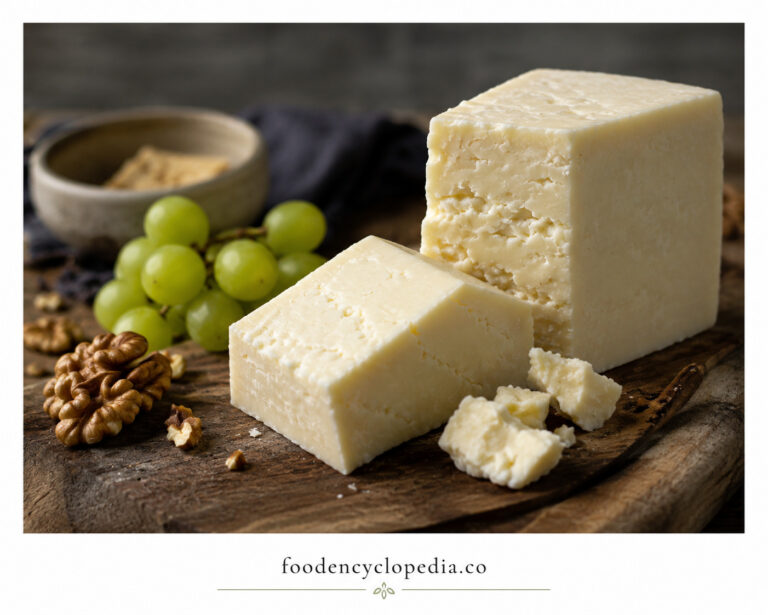
Provolone Piccante is aged for more than four months and often up to a year or longer. It develops a sharper, more robust flavor with a pleasantly tangy finish, making it a popular choice for cheese platters and gourmet recipes.
Flavor and Texture
The flavor of Provolone varies depending on its age. Younger varieties are buttery, mild, and slightly sweet, while aged versions become richer, nuttier, and more pronounced. Its texture ranges from smooth and supple when young to firmer and more crumbly as it matures.
Nutritional Benefits of Provolone Cheese
Provolone cheese is a valuable source of essential nutrients, including:
- High-quality protein for muscle maintenance and growth
- Calcium for strong bones and teeth
- Phosphorus to support bone health and energy production
- Vitamin B12 for healthy nerve function
- Healthy fats that contribute to satiety and flavor
When enjoyed in moderation, Provolone can be part of a balanced and nutritious diet.
Culinary Uses of Provolone Cheese
One of Provolone’s greatest strengths is its versatility in cooking. It is commonly used in:
- Hot and cold sandwiches
- Burgers and paninis
- Pizza and flatbreads
- Pasta bakes and casseroles
- Grilled cheese recipes
- Cheese boards and charcuterie platters
Its excellent melting qualities create a rich, creamy texture that enhances countless dishes.
How to Store Provolone Cheese
To preserve freshness and flavor, Provolone should be wrapped in cheese paper or wax paper and stored in the refrigerator. Proper storage helps maintain its texture while preventing excessive moisture loss. For the best taste experience, allow the cheese to reach room temperature before serving.
Conclusion
Provolone cheese represents the perfect combination of Italian craftsmanship, rich flavor, and culinary versatility. Whether enjoyed fresh and mild or aged and robust, this iconic cheese continues to delight food lovers around the world. From gourmet sandwiches to sophisticated cheese platters, Provolone remains a timeless favorite that brings authentic Italian character to every meal.