Jameed
Jameed: The Authentic Taste of Middle Eastern Dairy Heritage
Introduction
Jameed is a traditional fermented dairy product that holds a special place in Middle Eastern cuisine, particularly in Jordan and throughout the Levant region. Known for its distinctive tangy flavor, rich nutritional value, and exceptional shelf life, Jameed has been a staple food for centuries and remains an essential ingredient in many traditional dishes.
Made from high-quality yogurt that undergoes a careful process of fermentation, churning, salting, and drying, Jameed represents a unique culinary heritage passed down through generations. Today, as consumers worldwide seek authentic ethnic foods and natural dairy products, Jameed is gaining increasing recognition in international markets for its versatility, nutritional benefits, and cultural significance.
What Is Jameed?
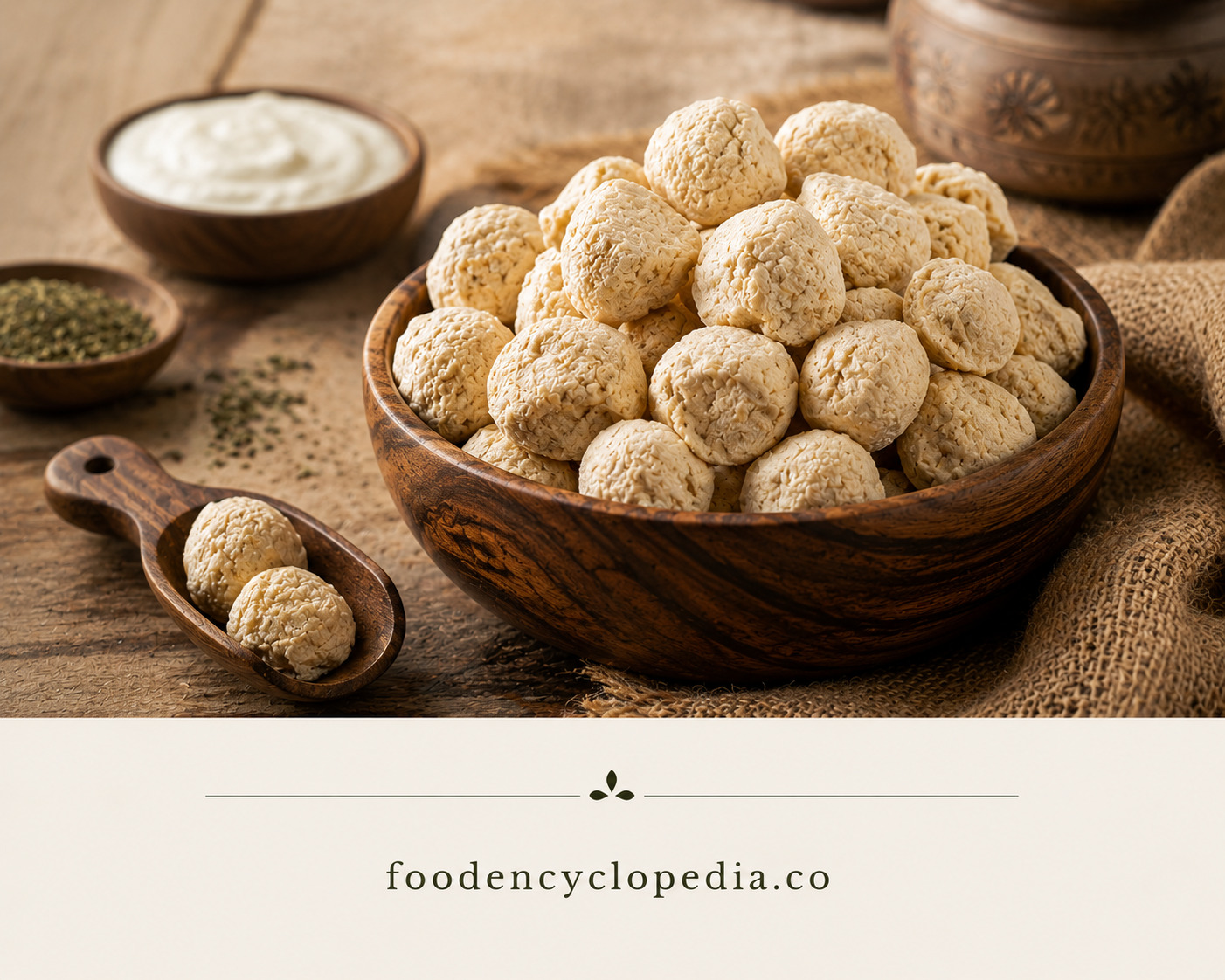
Jameed is a dried fermented yogurt product traditionally produced from sheep’s milk, although cow’s milk and mixed-milk varieties are also available. The yogurt is churned to separate the butterfat, then salted and shaped before being dried to create a hard, shelf-stable product.
This traditional preservation method allows Jameed to be stored for extended periods while maintaining its nutritional qualities and distinctive flavor. Before consumption, Jameed is typically rehydrated and blended into a smooth sauce used in various culinary applications.
The History and Tradition of Jameed
The origins of Jameed can be traced back to the Bedouin communities of the Middle East, who developed drying techniques to preserve dairy products in desert environments. This innovative method enabled nomadic populations to store valuable nutrients and maintain a reliable food source throughout the year.
Over time, Jameed became more than just a preserved dairy product—it evolved into a symbol of hospitality, family traditions, and cultural identity. Today, it remains deeply connected to the culinary heritage of Jordan and neighboring countries.
Nutritional Benefits of Jameed
Jameed is valued not only for its flavor but also for its impressive nutritional profile. It is an excellent source of:
- High-quality protein
- Calcium and phosphorus for bone health
- Essential vitamins and minerals
- Beneficial compounds derived from the fermentation process
- Long-lasting energy and satiety
Its concentrated nutrient content makes Jameed a highly nutritious ingredient suitable for a balanced diet.
Culinary Applications of Jameed
Jameed is best known as the key ingredient in Mansaf, Jordan’s national dish. The creamy Jameed sauce forms the foundation of this celebrated meal, traditionally served with lamb, rice, and flatbread.
In addition to Mansaf, Jameed can be used in:
- Traditional soups and stews
- Savory sauces and gravies
- Meat marinades
- Regional dairy-based dishes
- Modern fusion recipes
Its rich, tangy flavor enhances a wide variety of culinary creations, making it a valuable ingredient for both traditional and contemporary kitchens.
Growing Global Demand for Jameed
As global interest in Middle Eastern cuisine continues to expand, demand for authentic Jameed products is increasing across international markets. Food manufacturers, restaurants, specialty retailers, and consumers are discovering the unique qualities that make Jameed a premium dairy ingredient.
Its natural production process, cultural authenticity, and nutritional advantages align with modern consumer preferences for traditional, minimally processed foods with a rich heritage.
Conclusion
Jameed stands as one of the most iconic dairy products of the Middle East, combining centuries-old tradition with exceptional taste and nutrition. From its origins in Bedouin culture to its growing presence in global markets, Jameed continues to represent the authenticity, craftsmanship, and culinary excellence of the region. Whether enjoyed in traditional recipes or innovative modern dishes, Jameed remains a timeless symbol of Middle Eastern food heritage.