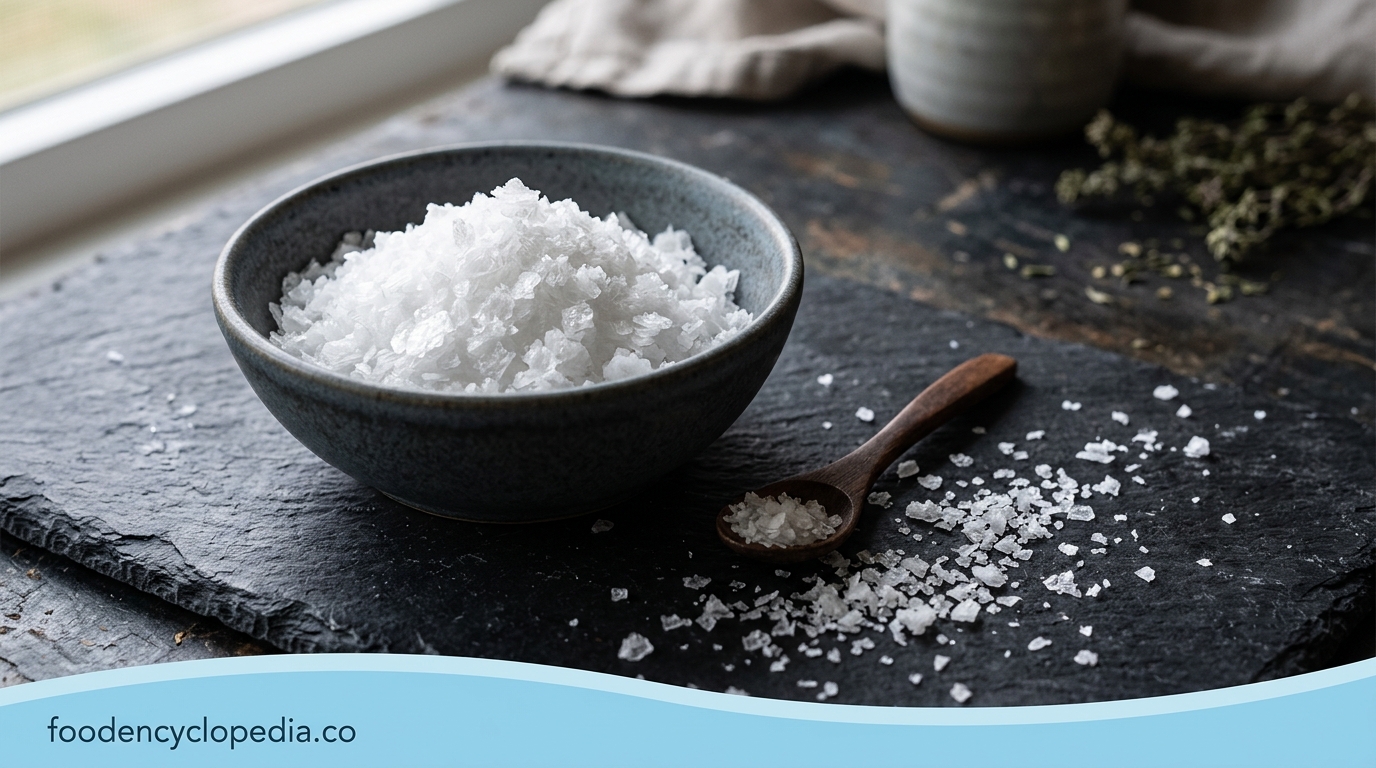
Salt
Salt: What It Is, Where It Comes From, and How to Get It
Meta title: Salt Explained: Types, Uses, and How to Buy or Source It
Meta description: Learn what salt is, how it’s produced, the main types (sea, rock, Himalayan, kosher), and the best ways to buy or source the right salt for cooking, preserving, and more.
Primary keyword: salt
Secondary keywords: types of salt, how salt is made, where to buy salt, sea salt vs table salt, iodized salt
What Is Salt?
Salt is a mineral made primarily of sodium chloride (NaCl). It is one of the oldest and most widely used seasonings and preservatives in human history. Beyond flavor, salt supports essential body functions, including fluid balance, nerve signaling, and muscle contraction, which is why it’s a dietary necessity and not just a kitchen staple.
Salt has shaped trade, economies, and cultures for thousands of years. The word “salary” is often traced to the Latin salarium, and many ancient trade routes existed largely to move salt. Today, global production is estimated at well over 250 million metric tons a year, and most of it goes to industry, road de-icing, and chemical manufacturing rather than the dinner table.
The Main Types of Salt
Not all salt is the same. Differences in texture, mineral content, and processing affect how each type performs in the kitchen.
Table salt. Finely ground and highly refined, table salt is usually fortified with iodine (iodized salt), a public health measure introduced in the early 20th century to prevent thyroid problems such as goiter. It often contains anti-caking agents to keep it free-flowing.
Sea salt. Made by evaporating seawater, sea salt ranges from fine to coarse. Trace minerals can give it subtle flavor and color differences, though the amounts are too small to matter nutritionally.
Kosher salt. Coarse, flaky, and free of additives in most brands, kosher salt is a favorite of professional chefs because it is easy to pinch and season by hand.
Himalayan pink salt. Mined from ancient salt deposits, most famously in the Khewra Salt Mine in Pakistan, this salt gets its pink tint from trace iron oxide. It is popular for cooking, finishing, and serving on salt blocks.
Flaky and finishing salts. Varieties such as fleur de sel and flaky sea salt are harvested by hand or crystallized for texture. They are best sprinkled on food just before serving rather than cooked in.
Rock salt. Coarse, unrefined halite is used for ice cream makers, de-icing, and as a base for grinders.
How Salt Is Produced
Understanding where salt comes from helps you choose the right one. There are three main methods.
1. Solar evaporation. Seawater or salt-lake brine is channeled into shallow ponds. Sun and wind evaporate the water over weeks or months, leaving crystallized salt to be raked and harvested. This is the traditional method behind most sea salt and is common in warm, coastal regions.
2. Rock salt mining. Underground deposits left by ancient, evaporated seas are mined with conventional methods, much like other minerals. The extracted halite is crushed and sometimes refined for culinary or industrial use.
3. Solution mining and vacuum evaporation. Water is pumped into underground salt beds to dissolve them, and the resulting brine is brought to the surface. It is then heated in vacuum evaporators to produce very pure, uniform crystals, which is how most table salt is made.
How to Get Salt
The best way to get salt depends on what you need it for.
Buying salt for cooking
For everyday use, salt is available almost everywhere:
- Supermarkets and grocery stores stock table, sea, and kosher salt at low prices.
- Specialty food shops and gourmet retailers offer finishing salts, smoked salts, and imported varieties.
- Online retailers and marketplaces give you the widest selection, often with bulk options.
- Local markets and producers, especially in coastal regions, sometimes sell regionally harvested sea salt directly.
Buying salt in bulk
If you need larger quantities for food production, preserving, water softening, agriculture, or de-icing, look at:
- Wholesale and restaurant suppliers, which sell food-grade salt in 25 kg or 50 lb bags.
- Industrial and agricultural suppliers, which carry coarse rock salt and water-softener salt at lower cost.
Always confirm the grade. Food-grade salt is not interchangeable with industrial or de-icing salt, which may contain impurities or additives unsafe for consumption.
Making salt at home
You can produce a small amount of sea salt yourself by collecting clean seawater, filtering it, and slowly evaporating it in a pan or shallow tray until crystals form. It’s a fun project, but only use water from a clean, unpolluted source, and check local rules about coastal collection.
How to Choose the Right Salt
A few practical tips:
- Match the salt to the job. Use fine salt for baking, coarse kosher salt for seasoning meat, and flaky salt for finishing.
- Check the label. Look for iodine if you rely on salt as a source of it, and for additive-free options if you prefer them.
- Measure by weight when possible. A teaspoon of fine salt is much saltier than a teaspoon of flaky salt.
- Store it dry. Keep salt in an airtight container away from moisture to prevent clumping.
How Much Salt Is Healthy?
The World Health Organization recommends adults consume less than 5 grams of salt (about 2 grams of sodium) per day. Most people eat considerably more, largely from processed foods. Salt is essential, but moderation matters, especially for people with high blood pressure or heart conditions. Consult a healthcare professional for advice specific to your health.
Frequently Asked Questions
Is sea salt healthier than table salt?
Not significantly. Both are mostly sodium chloride, and the trace minerals in sea salt are present in very small amounts.
Do I need iodized salt?
Iodine is essential for thyroid health. If your diet doesn’t include other iodine sources such as seafood or dairy, iodized salt is a simple option.
Can I use rock salt for cooking?
Only if it’s labeled food-grade. Rock salt sold for de-icing or ice cream making is not meant for eating.
Where can I buy salt cheaply?
Supermarket table and kosher salt are the most affordable, and buying in bulk lowers the price per kilogram further.
Final Thoughts
Salt is far more than a seasoning. It’s a mineral with a long history, a range of textures and flavors, and uses well beyond the kitchen. Whether you’re picking up a box of table salt, exploring artisanal finishing salts, or sourcing bulk quantities for a business, knowing how salt is made and what each type is best for will help you get the right one for the job.