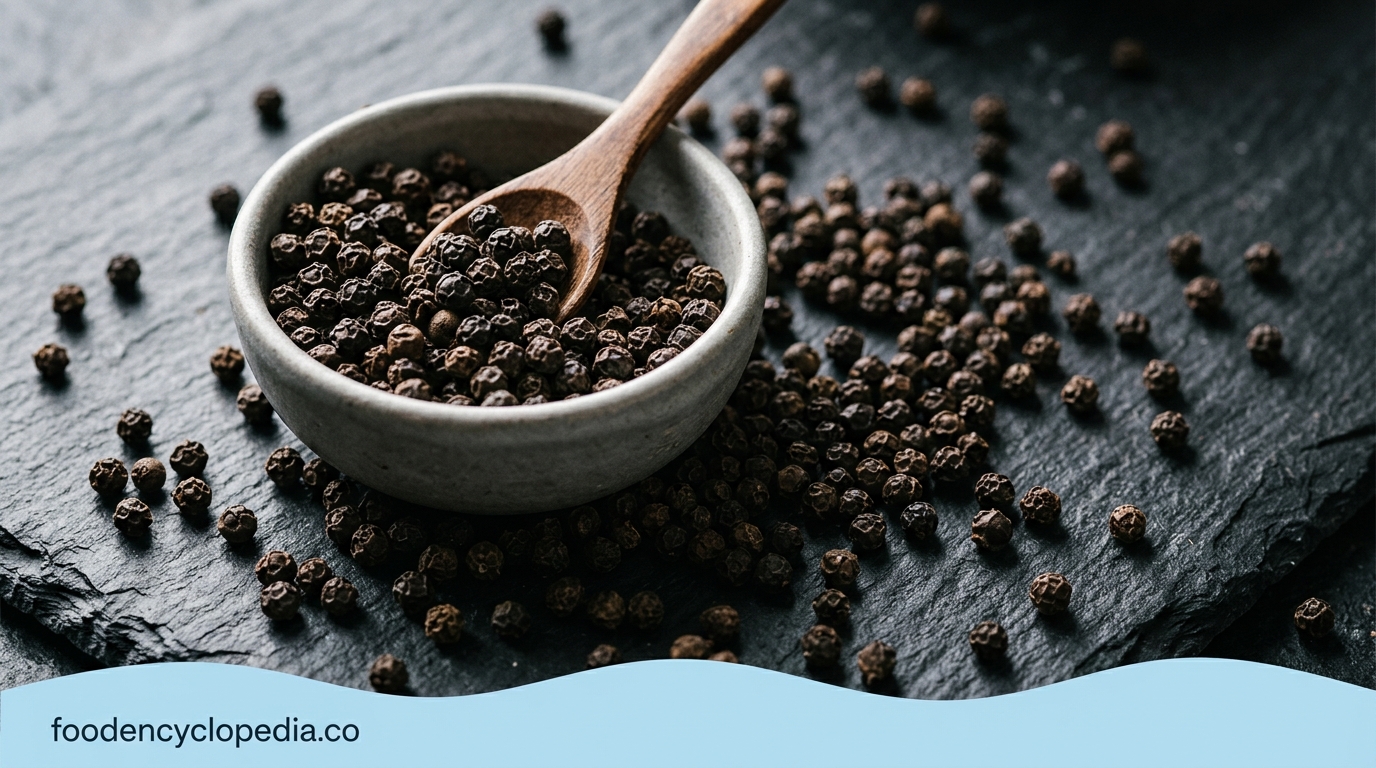
Black Pepper
Black Pepper: The World’s Most Popular Spice and How to Get It
Meta title: Black Pepper Guide: Origins, Types, Benefits & Where to Buy
Meta description: Discover what black pepper is, where it comes from, its varieties and benefits, and how to buy or grow the best peppercorns at home.
Primary keyword: black pepper
Secondary keywords: black peppercorns, buy black pepper, Tellicherry pepper, whole vs. ground pepper, how to grow black pepper
What Is Black Pepper?
Black pepper (Piper nigrum) is a flowering vine grown for its fruit, which is dried and used as both a spice and a seasoning. Often called the “king of spices,” it sits on nearly every dining table in the world and is one of the most traded spices globally.
Its sharp, warming heat comes from piperine, a natural compound found in the peppercorn. Alongside essential oils, piperine gives black pepper its bold aroma, woody notes, and lingering bite.
A Brief History of Black Pepper
Black pepper is native to the Malabar Coast of southwestern India, in the modern state of Kerala. It has been harvested there for thousands of years and was highly prized in ancient Rome and medieval Europe. Pepper was so valuable that it was sometimes used as currency, and the hunt for pepper and other spices helped drive the great voyages of the Age of Exploration.
Today, it is no longer a luxury good, but it remains the most widely used spice in the world.
How Black Pepper Is Made
Black pepper starts as small green berries on a climbing vine. The process is simple but precise:
- Harvesting: Berries are picked while still slightly unripe, usually in clusters called spikes.
- Blanching: They are briefly treated with hot water to help break down cell walls.
- Drying: The berries are dried in the sun for several days, during which they shrivel and turn dark brown to black.
That wrinkled black peppercorn is the whole spice you find in a grinder.
Types of Peppercorns
Black pepper is often confused with its cousins, which come from the same plant but are processed differently:
- Black pepper: Dried unripe berries. Pungent, complex, and the most versatile.
- White pepper: Ripe berries with the outer skin removed. Milder and earthier, popular in light sauces and Asian cuisine.
- Green pepper: Unripe berries preserved by brining or freeze-drying. Fresh and bright.
Within black pepper, origin makes a real difference:
- Tellicherry (India): Larger berries left on the vine longer, prized for a rich, citrusy depth.
- Malabar (India): Balanced and warm, a great everyday choice.
- Lampong (Indonesia): Sharp, strong, and slightly smoky.
- Kampot (Cambodia): A protected-origin pepper known for floral, aromatic notes.
- Vietnamese pepper: Bold and pungent. Vietnam is the world’s largest producer.
Culinary Uses
Black pepper works in nearly everything, from steaks and soups to eggs, pasta, salad dressings, and even fruit and desserts. For the best flavor, add it in two stages: during cooking for depth, and freshly ground at the end for aroma and bite.
Potential Health Benefits
Black pepper is more than a flavor enhancer. Research on piperine suggests it may:
- Act as an antioxidant that helps fight cellular stress
- Support digestion by stimulating digestive enzymes
- Improve the absorption of certain nutrients, including curcumin from turmeric
These benefits are promising but are usually studied using concentrated piperine, not the small amounts used in cooking. Black pepper is best viewed as a healthy addition to a balanced diet, not a treatment. Anyone with a medical condition or who takes medication should consult a healthcare professional.
How to Get Black Pepper
1. Buy It from a Store or Market
Whole peppercorns are easy to find at supermarkets, spice shops, and local markets. For better quality, look at specialty spice merchants, which often sell single-origin peppercorns with more flavor than generic blends.
2. Order It Online
Online spice retailers offer the widest range, including Tellicherry, Kampot, and organic or fair-trade options. Buying in small batches from a seller with fast turnover helps ensure freshness.
3. Buy Direct from Origin
Some producers in India, Vietnam, and Cambodia sell directly to consumers or through small importers. This can mean fresher stock and clearer traceability, and it often supports farmers more directly.
4. Grow Your Own
Black pepper is a tropical vine that needs warmth, humidity, rich well-drained soil, and something to climb. It thrives close to the equator but can be grown in a greenhouse or a warm indoor space in cooler climates. Expect to wait around three to four years for your first harvest. Live plants and cuttings are available from specialty nurseries.
Tips for Buying the Best Black Pepper
- Choose whole peppercorns over pre-ground. Ground pepper loses aroma quickly, while whole peppercorns keep their potency for years.
- Check the origin and harvest information. Reputable sellers list where the pepper was grown.
- Look for large, heavy, uniform berries with a deep color and no dust or debris.
- Smell before you buy, if possible. Fresh pepper should smell sharp, fruity, and pungent.
- Consider certifications such as organic or fair trade if they matter to you.
How to Store Black Pepper
Keep peppercorns in an airtight container away from heat, light, and moisture. A cool cupboard is ideal. Grind only what you need, using a pepper mill or a mortar and pestle, for the best flavor.
Final Thoughts
Black pepper is far more than a table shaker staple. It is a spice with a rich history, real variety, and the power to transform simple dishes. Whether you buy a small jar of Tellicherry peppercorns or try growing a vine yourself, choosing quality whole pepper is the easiest way to upgrade your cooking.