Turkish Tea (Çay)
Turkish Tea (Çay): A Complete Introduction and How to Make It at Home
Turkish tea, known locally as çay (pronounced “chai”), is far more than a beverage in Turkey — it’s a daily ritual, a symbol of hospitality, and a cornerstone of social life. Served in small tulip-shaped glasses and enjoyed from sunrise to well past sunset, Turkish tea has a distinct preparation method, flavor profile, and cultural significance that sets it apart from tea traditions found anywhere else in the world. This guide covers everything you need to know about Turkish tea, from its history and health benefits to a step-by-step recipe for brewing it authentically at home.
What Is Turkish Tea?
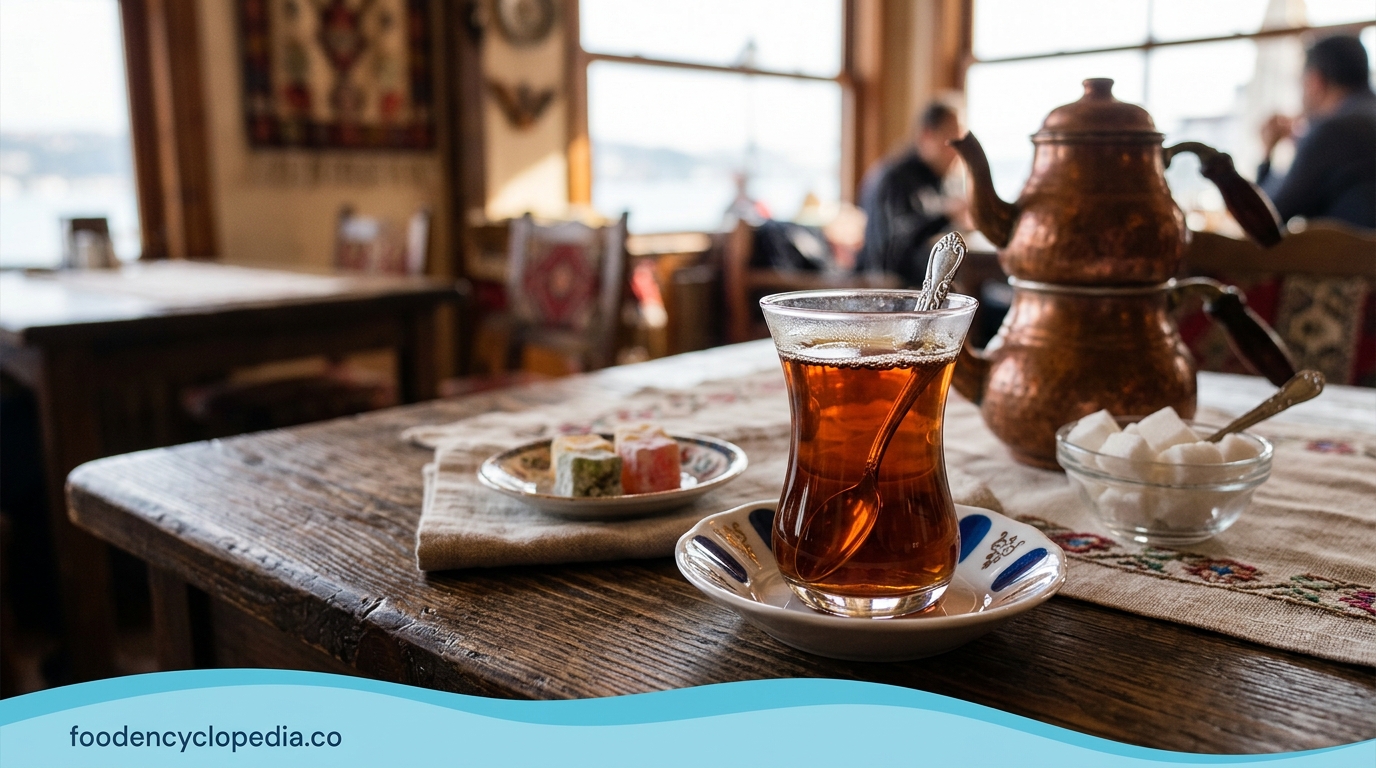
Turkish tea is a strong, amber-colored black tea traditionally grown in the Rize province along Turkey’s Black Sea coast. Unlike many Western tea traditions, Turkish tea is brewed using a double-teapot method called a çaydanlık, which produces a rich, concentrated tea that is then diluted with hot water to taste. The result is a customizable, full-bodied cup that’s typically served without milk, often alongside sugar cubes and a piece of Turkish delight.
Turkey consistently ranks among the highest per-capita tea consumers in the world, and çay is offered as a gesture of welcome in homes, shops, offices, and even during business negotiations. Turning down a glass of tea is considered somewhat impolite in Turkish culture, which is a testament to how deeply embedded this drink is in everyday life.
A Brief History of Turkish Tea
Although coffee is historically associated with Turkey, tea didn’t become the nation’s dominant hot beverage until the 20th century. Coffee prices rose sharply after territorial losses following World War I, prompting the Turkish government to encourage domestic tea cultivation as an affordable alternative. Rize’s climate and soil proved ideal for growing tea, and by the mid-1900s, çay had overtaken coffee as Turkey’s beverage of choice. Today, Turkish tea production and consumption remain a significant part of the country’s agricultural economy and cultural identity.
Why Turkish Tea Tastes Different
Several factors give Turkish tea its signature taste and appearance:
- Tea leaves: Made from black tea grown specifically in the Rize region, known for a robust, slightly earthy flavor.
- Double-teapot brewing: This method allows the tea to steep slowly at a controlled temperature, extracting deep color and flavor without excessive bitterness.
- Serving style: Poured into small, tulip-shaped glasses that keep the tea hot while showcasing its rich reddish-brown hue.
- No milk: Turkish tea is almost always served plain or with sugar, allowing the tea’s natural flavor to shine through.
Health Benefits of Turkish Tea
Like other black teas, Turkish çay contains antioxidants, particularly flavonoids, which may support heart health and help combat oxidative stress. It also contains a moderate amount of caffeine, making it a gentler alternative to coffee for those looking to reduce their intake while still enjoying a stimulating drink. As with any caffeinated beverage, moderation is key, especially for those sensitive to caffeine or managing certain health conditions.
What You’ll Need to Make Turkish Tea
To brew authentic Turkish tea, you’ll need:
- A çaydanlık (Turkish double teapot) — or a small saucepan plus a smaller teapot as a substitute
- Loose-leaf Turkish black tea (Rize tea is ideal, but any quality loose black tea works)
- Fresh, cold water
- Sugar cubes (optional, but traditional)
- Small tulip-shaped tea glasses (or any small heatproof glasses)
How to Make Turkish Tea: Step-by-Step Recipe
Ingredients
- 4–5 heaping teaspoons of loose Turkish black tea
- 4 cups of water (divided between the two pots)
- Sugar cubes, to taste
Instructions
- Fill the bottom pot with water. Pour cold water into the larger, bottom teapot and bring it to a boil.
- Warm the top pot. Once the water boils, pour a small amount into the smaller, top teapot to warm it, then discard that water.
- Add the tea leaves. Place the loose tea leaves into the top teapot.
- Pour hot water over the leaves. Fill the top teapot about halfway with boiling water from the bottom pot.
- Stack and steep. Place the top teapot on top of the bottom pot (which should still have simmering water in it) and let it steep on low heat for 15–20 minutes. This slow steeping is key to developing the tea’s deep color and rich flavor without bitterness.
- Check the strength. The tea in the top pot will become very concentrated and dark. This concentrate is the base for your tea.
- Pour and dilute. To serve, pour a small amount of the concentrated tea into a tulip glass (filling it about a third to halfway), then top it off with hot water from the bottom pot to reach your desired strength.
- Serve and enjoy. Add sugar cubes if desired, and serve hot. Turkish tea is traditionally enjoyed slowly, often alongside conversation.
Tips for the Perfect Cup
- Adjust strength to preference: Use more concentrate and less water for a bolder cup (“koyu” or dark tea), or more water for a lighter cup (“açık” or light tea).
- Don’t boil the tea leaves directly: Always steep gently over low heat rather than boiling, which can make the tea bitter.
- Use fresh water: Freshly boiled water enhances flavor and aroma compared to reboiled water.
- Pair it well: Turkish tea is traditionally enjoyed with simit (a sesame-crusted bread ring), baklava, or Turkish delight.
Turkish Tea vs. Other Teas
Compared to English breakfast tea or Indian chai, Turkish tea is generally stronger, served without milk or spices, and prepared using the unique double-teapot method rather than a single steeping vessel. This method gives the tea drinker control over strength at the moment of serving, rather than relying on steeping time alone — a key distinction that makes Turkish tea preparation both practical and social, since a large batch can be kept warm for hours and served to guests at any time.
Final Thoughts
Turkish tea is a simple yet deeply meaningful part of daily life in Turkey, reflecting the country’s values of hospitality and connection. With the right tools and a little patience, you can recreate this experience at home and enjoy a cup of çay just as it’s traditionally served — rich, warm, and best enjoyed in good company.