Zhug Sauce
What Is Zhug Sauce? A Complete Guide to the Fiery Yemenite Condiment (With Recipe)
If amba is the tangy mango condiment of Middle Eastern sandwiches, zhug (also spelled zhoug, skhug, or z’hug) is its fiery green cousin. This vibrant, herb-packed hot sauce has become a staple in Israeli and Yemenite kitchens, and it’s rapidly earning a spot in pantries around the world for its bold, fresh heat.
In this guide, we’ll break down what zhug is, where it comes from, what it tastes like, and how to make a fresh batch at home.
What Is Zhug Sauce?
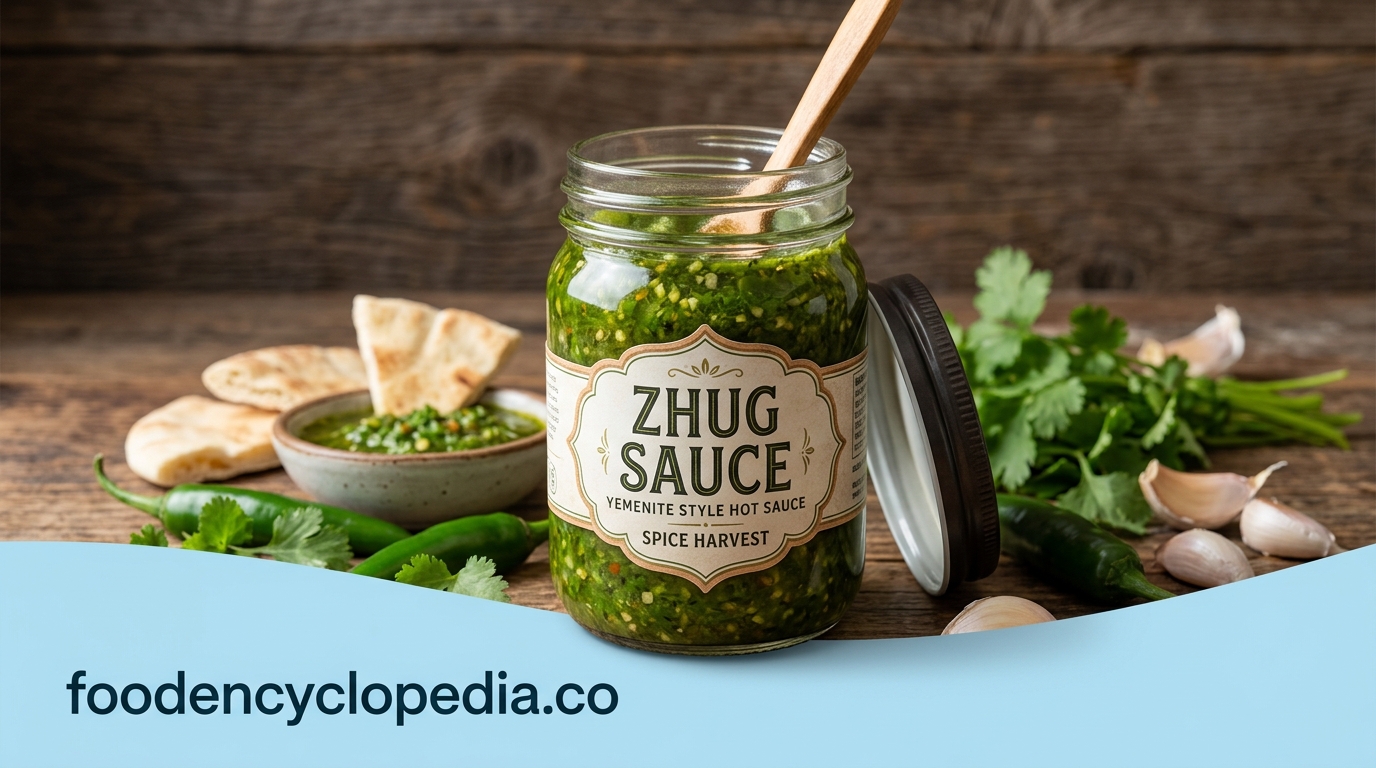
Zhug is an uncooked hot sauce made primarily from fresh chili peppers, cilantro (and sometimes parsley), garlic, and warm spices like cumin, coriander, and cardamom, all blended together with olive oil. It comes in both green and red varieties — green zhug (the more common version) gets its color from fresh herbs and green chilies, while red zhug swaps in red chilies and often tomato for a deeper, smokier flavor.
Unlike cooked sauces or long-fermented condiments, zhug is typically made fresh and eaten within days, which gives it a bright, herbaceous, almost chimichurri-like quality alongside serious heat.
Where Does Zhug Sauce Come From?
Zhug originated with the Jewish community of Yemen, where fiery, spice-forward condiments have long been part of the culinary tradition. When Yemenite Jews emigrated to Israel, particularly during the mass immigrations of the mid-20th century, they brought zhug with them, and it quickly became woven into Israeli food culture.
Today, zhug is everywhere in Israel: spooned into hummus, spread on shawarma and falafel, dolloped onto shakshuka, and served alongside grilled meats and fresh bread. It has since spread well beyond the Middle East, showing up in specialty grocery stores and on menus internationally as more people discover its bold flavor.
What Does Zhug Sauce Taste Like?
Zhug is intensely fresh and aromatic, with cilantro (and sometimes parsley) forming the herbal backbone. Garlic adds pungency, while cumin, coriander, and cardamom bring a warm, almost curry-adjacent depth. The chilies deliver real heat — traditional zhug is meant to be spicy, though the intensity can be adjusted by controlling the type and amount of pepper used. The result is a sauce that’s green, garlicky, herbaceous, and fiery all at once, with a texture similar to a coarse pesto or chimichurri.
How to Make Zhug Sauce at Home
Zhug comes together quickly since there’s no cooking involved — just a food processor and a handful of fresh ingredients.
Ingredients
- 1 cup fresh cilantro leaves and tender stems
- 1/2 cup fresh parsley leaves (optional, for a milder herbal balance)
- 4–6 fresh green chilies (jalapeño, serrano, or Fresno), seeds removed for less heat if desired
- 4 cloves garlic
- 1 teaspoon ground cumin
- 1 teaspoon ground coriander
- 1/4 teaspoon ground cardamom
- 1/2 teaspoon salt, plus more to taste
- 1/4 cup olive oil
- 1 tablespoon lemon juice or white vinegar (optional, for brightness)
Instructions
- Prep the ingredients. Roughly chop the cilantro, parsley (if using), chilies, and garlic so they blend more easily.
- Combine in a food processor. Add the cilantro, parsley, chilies, garlic, cumin, coriander, cardamom, and salt to the bowl of a food processor.
- Pulse to a coarse paste. Pulse several times, scraping down the sides as needed, until the mixture forms a coarse, textured paste. Avoid over-processing into a smooth purée — zhug traditionally has some texture.
- Add the oil. With the processor running (or by pulsing in short bursts), stream in the olive oil until the mixture comes together into a thick, spoonable sauce.
- Adjust seasoning. Add lemon juice or vinegar if you’d like extra brightness, then taste and adjust salt and heat as needed.
- Rest and serve. Zhug can be used immediately, but letting it sit for 20–30 minutes allows the flavors to meld. Store in an airtight container in the refrigerator.
Tips for the Best Zhug Sauce
- Control the heat with your chili choice. Jalapeños give a milder result; serranos or hotter peppers will make it more traditional and fiery. Removing the seeds and ribs tones down the spice significantly.
- Don’t over-blend. Zhug should have some texture, not be a smooth liquid — pulse rather than running the processor continuously.
- Fresh herbs are key. Since zhug isn’t cooked, the quality of your cilantro and parsley directly affects the final flavor. Use fresh, vibrant bunches.
- Make it in small batches. Zhug is best within 5–7 days, as the fresh herbs will lose their bright color and flavor over time.
How to Use Zhug Sauce
Zhug is incredibly versatile. Try it:
- Swirled into hummus or labneh
- Spread inside pita with falafel or shawarma
- Spooned over shakshuka or fried eggs
- Tossed with roasted vegetables or grilled meats
- Mixed into marinades for chicken or fish
- Stirred into soups or grain bowls for a spicy kick
- Used as a dip for warm bread or crackers
Final Thoughts
Zhug sauce is a testament to how a handful of fresh, humble ingredients — herbs, chilies, garlic, and spice — can create something bold and unforgettable. Rooted in Yemenite Jewish tradition and now a fixture of Israeli cuisine, zhug has earned its place as one of the most exciting condiments in modern Middle Eastern cooking. Once you make a batch at home, you’ll likely find endless excuses to spoon it onto just about everything.