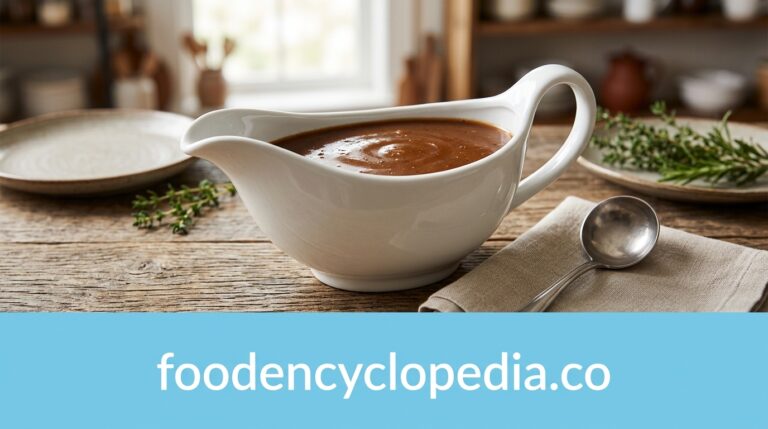
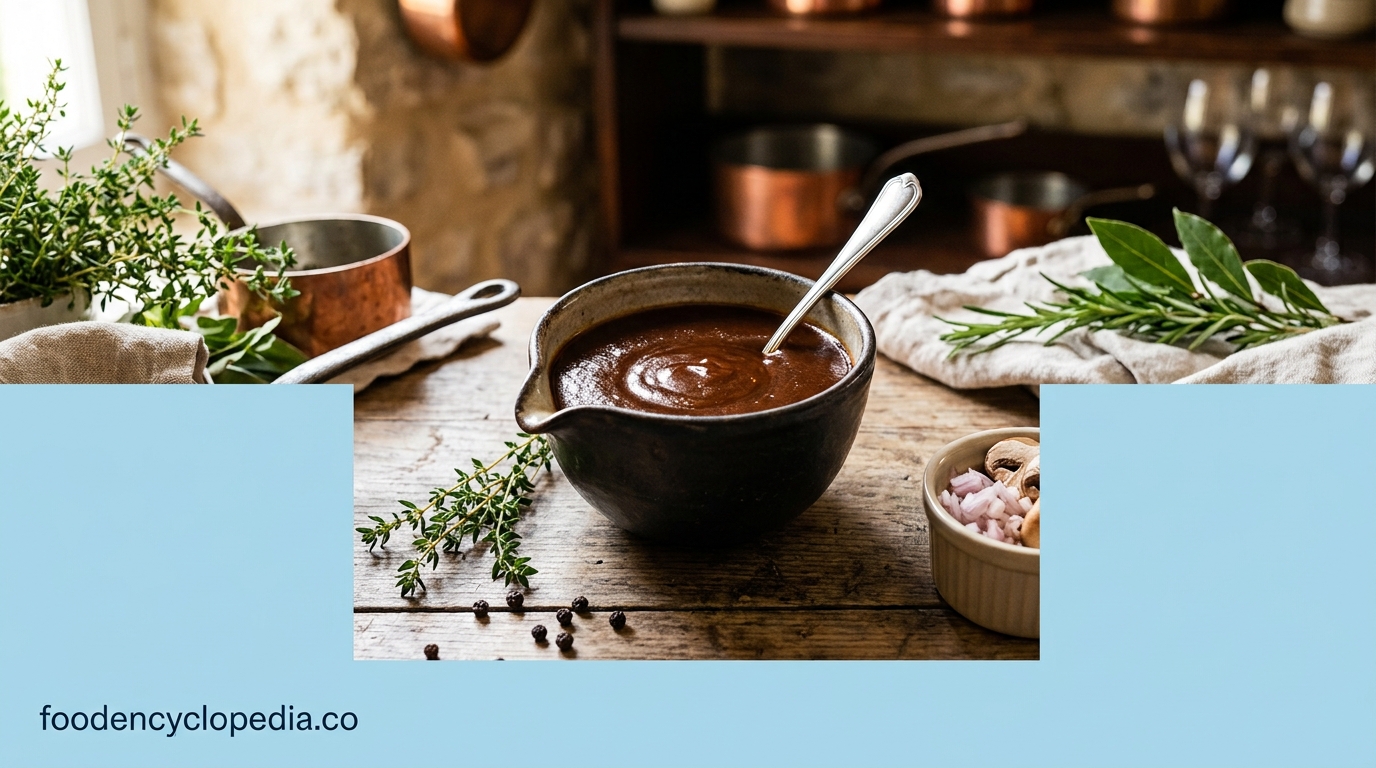
Demi Glace Sauce
What Is Demi Glace Sauce? A Complete Guide to Making the Classic French Sauce at Home
If you’ve ever wondered what gives high-end restaurant sauces their deep, glossy richness, the answer is often demi glace. Known as the “mother of all sauces” in French cuisine, demi glace is a concentrated, velvety brown sauce that forms the backbone of countless classic and modern dishes — from filet mignon to mushroom risotto. This guide breaks down exactly what demi glace is, why chefs prize it, and how to make it at home with confidence.
What Is Demi Glace?
Demi glace (French for “half glaze”) is a rich brown sauce made by combining equal parts brown stock and espagnole sauce, then reducing the mixture by half until it becomes thick, glossy, and intensely flavorful. The result is a silky, deeply savory sauce with a concentrated meaty flavor that can transform simple dishes into restaurant-quality meals.
Traditionally, demi glace is built on veal or beef stock, though modern variations use chicken, mushroom, or vegetable bases for lighter or vegetarian adaptations. What makes demi glace special isn’t a single ingredient — it’s the technique: long, slow reduction that concentrates flavor and creates a natural, glossy body without relying on heavy cream or excessive butter.
Why Demi Glace Matters in Cooking
Demi glace is prized because it delivers depth of flavor that’s difficult to achieve any other way. A spoonful can elevate:
- Pan sauces for steak, duck, or lamb
- Braised dishes and stews
- Mushroom or shallot reductions
- Gravies and pot pies
- Vegetable and grain dishes needing a savory boost
Because it’s so concentrated, a small amount goes a long way, making it an efficient way to add complexity to a dish without overwhelming other flavors.
Key Ingredients for Classic Demi Glace
| Ingredient | Purpose |
|---|---|
| Veal or beef bones | Base for rich, gelatin-heavy stock |
| Mirepoix (onion, carrot, celery) | Builds aromatic depth |
| Tomato paste | Adds color and subtle acidity |
| Flour or roux (traditional espagnole) | Thickens the base sauce |
| Fresh herbs (thyme, bay leaf, parsley) | Rounds out the flavor profile |
Modern versions often skip the roux entirely, relying instead on natural reduction and the gelatin from bones to achieve thickness — a technique favored by many contemporary chefs for a cleaner, more refined result.
How to Make Demi Glace: Step-by-Step
Step 1: Roast the Bones
Roast veal or beef bones at 450°F (230°C) until deeply browned, about 45 minutes. This step is essential for flavor and color.
Step 2: Make the Brown Stock
Add the roasted bones to a large stockpot with mirepoix, tomato paste, and water. Simmer gently for 8–12 hours, skimming impurities as needed, to create a rich brown stock.
Step 3: Prepare the Espagnole Sauce
In a separate pot, make a light roux and combine it with a portion of the brown stock, additional mirepoix, and tomato paste. Simmer for 1–2 hours until thickened.
Step 4: Combine and Reduce
Combine equal parts brown stock and espagnole sauce. Simmer slowly, skimming frequently, until the liquid reduces by half and coats the back of a spoon.
Step 5: Strain and Store
Strain through a fine-mesh sieve or cheesecloth for a smooth, silky finish. Cool and refrigerate for up to a week, or freeze in small portions (ice cube trays work well) for up to three months.
Quick Modern Shortcut
Many home cooks use a simplified method: simmer a good-quality store-bought beef or veal stock , a spoonful of tomato paste, and aromatics, then reduce until thick and glossy. While not identical to the classical version, it delivers a similar depth of flavor with far less time investment.
Tips for Success
- Patience is key. Rushing the reduction leads to a thinner, less flavorful sauce.
- Skim often. Removing impurities as they rise keeps the sauce clean and glossy.
- Freeze in small portions. Demi glace is potent — small cubes make it easy to portion into future dishes.
- Season last. Since the sauce reduces significantly, hold off on salt until the end to avoid over-seasoning.
Final Thoughts
Demi glace may have a reputation as a chef-only technique, but with patience and the right method, it’s achievable in any home kitchen. Once you have a batch on hand, you’ll find endless ways to use it — a spoonful can turn a weeknight steak or roasted vegetables into something that tastes like it came straight from a fine-dining kitchen.