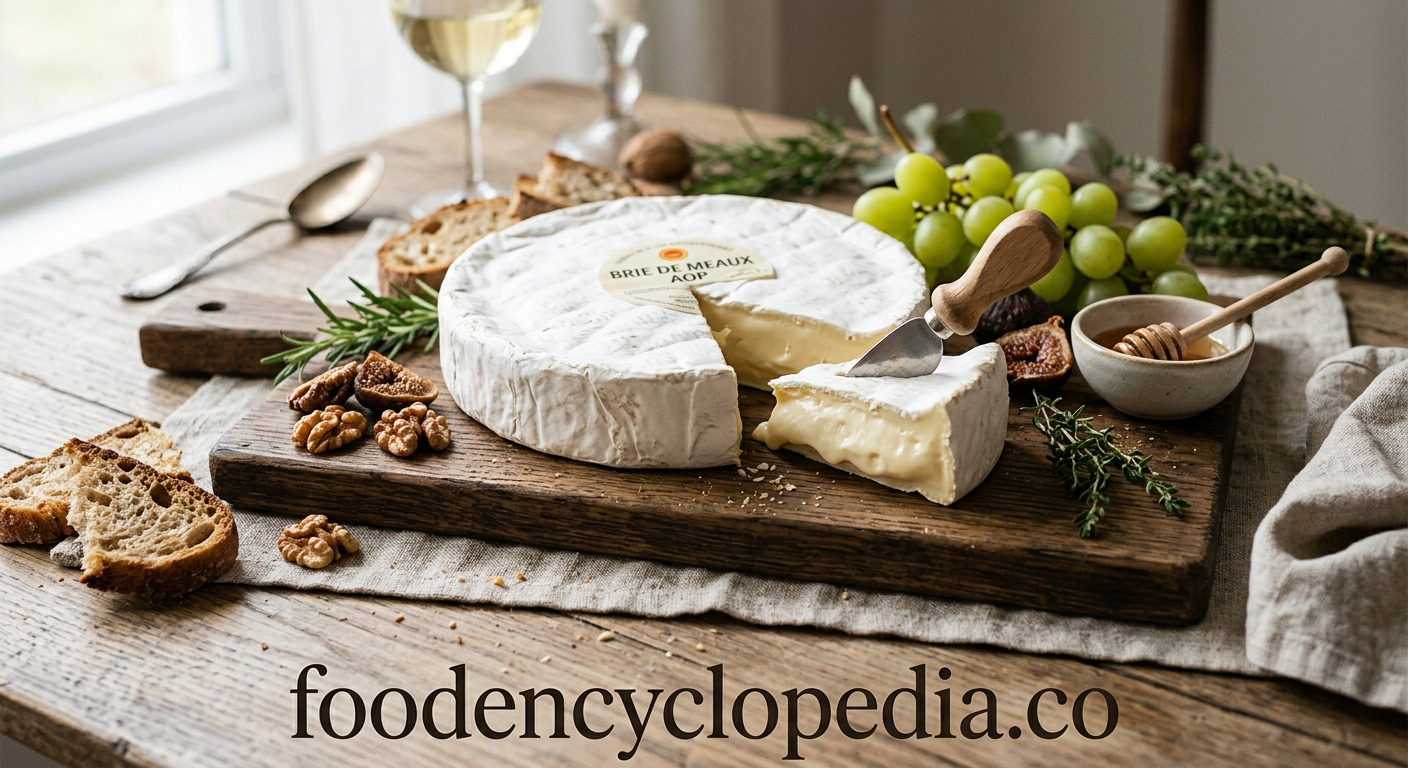
Brie Cheese
Brie Cheese: The Complete Guide to France’s Most Beloved Soft Cheese
Brie cheese is one of the world’s most recognized and celebrated soft-ripened cheeses. Creamy, buttery, and wrapped in a delicate white rind, Brie has earned its place on cheese boards, restaurant menus, and dinner tables across the globe. Whether you’re a seasoned cheese enthusiast or just beginning to explore the world of artisan cheeses, this guide will walk you through everything you need to know about Brie — from its rich history to how to serve it perfectly.
What Is Brie Cheese?
Brie is a soft cow’s milk cheese originating from the Brie region of northern France, in the Île-de-France area east of Paris. It belongs to the family of bloomy-rind cheeses, meaning it develops a natural white, edible rind made of Penicillium camemberti mold during the aging process. Inside, the paste is pale yellow, soft, and spreadable — becoming increasingly runny and aromatic as it ripens.
Brie is available in two main forms:
- Brie de Meaux — The original and most prestigious variety, granted PDO (Protected Designation of Origin) status by the European Union. It features a more complex, earthy flavor and a slightly firmer texture.
- Brie de Melun — A smaller, older variety with a stronger, more pungent flavor and a denser texture.
Many other countries and regions also produce Brie-style cheeses, though only the two varieties above may legally carry the official French AOC/PDO designation.
A Brief History of Brie Cheese
Brie’s story stretches back over a thousand years. The cheese is believed to have been made in the Brie region as far back as the 8th century. Historical records suggest that Charlemagne himself tasted and praised Brie around 774 AD, cementing its royal reputation early on.
By the Middle Ages, Brie had become a popular tribute gift offered to French kings and nobles. Its fame spread widely, and at the Congress of Vienna in 1815, French diplomat Talleyrand reportedly entered Brie into a competition among European cheeses — and it won, earning Brie the legendary title: “The King of Cheeses.”
Today, Brie remains a cornerstone of French culinary culture and one of the most exported cheeses in the world.
What Does Brie Taste Like?
The flavor profile of Brie is one of its most appealing qualities. At its best, Brie offers:
- Mild, buttery creaminess with a smooth, melt-in-your-mouth texture
- Subtle earthy and mushroom notes from the bloomy rind
- A slight tanginess that balances the richness of the paste
- A nutty, grassy undertone that deepens as the cheese matures
Young Brie tends to be mild and milky, while a fully ripened Brie develops a more robust, complex flavor. The rind itself is edible and adds a pleasant, slightly bitter contrast to the creamy interior.
Nutritional Profile of Brie Cheese
Brie is a nutrient-dense food that provides a range of essential vitamins and minerals. A standard 1-ounce (28g) serving contains approximately:
| Nutrient | Amount |
|---|---|
| Calories | 95 kcal |
| Protein | 5.9 g |
| Fat | 7.9 g |
| Saturated Fat | 4.9 g |
| Calcium | 52 mg (5% DV) |
| Vitamin B12 | 0.5 mcg |
| Sodium | 178 mg |
Brie is also a good source of vitamin A, riboflavin (B2), and phosphorus. Like all full-fat cheeses, it should be enjoyed in moderation as part of a balanced diet.
Note: Pregnant women, young children, the elderly, and immunocompromised individuals should avoid unpasteurized Brie, as it may carry Listeria monocytogenes.
How to Serve Brie Cheese
Serving Brie correctly makes all the difference. Here are the key tips to bring out its best qualities:
Temperature
Always serve Brie at room temperature. Remove it from the refrigerator at least 30–45 minutes before serving. Cold Brie is firm and muted in flavor; room-temperature Brie is soft, fragrant, and delicious.
Pairings
Brie pairs beautifully with a wide variety of foods and drinks:
- Bread & Crackers: Baguette slices, water crackers, or walnut bread
- Fruits: Grapes, sliced pears, apples, figs, and strawberries
- Nuts: Walnuts, almonds, and pecans
- Jams & Honey: Fig jam, apricot preserves, or raw honey
- Charcuterie: Prosciutto, salami, or honey-glazed ham
Cutting Brie
When slicing a whole wheel, cut Brie like a pie — from the center outward — to ensure each person gets an equal portion of rind and paste. Avoid cutting off the rind tip.
How to Cook with Brie Cheese
Beyond the cheese board, Brie is a versatile ingredient in the kitchen. Popular culinary uses include:
- Baked Brie: A crowd-pleasing appetizer — wrap in puff pastry or bake in its rind topped with honey and nuts
- Pasta sauces: Melted into cream sauces for a luxurious, velvety texture
- Sandwiches & Paninis: Pairs wonderfully with turkey, ham, or roasted vegetables
- Soups: Stirred into onion or mushroom soup for added richness
- Stuffed chicken or mushrooms: Used as a creamy filling in savory recipes
How to Store Brie Cheese
Proper storage is essential to preserve Brie’s quality:
- Refrigerate Brie in its original packaging or wrap it in wax paper or parchment paper, then loosely in plastic wrap. Avoid airtight sealing, which traps moisture and can damage the rind.
- Store in the warmest part of your refrigerator (usually a cheese drawer or vegetable compartment).
- Consume within 1–2 weeks of purchase, or by the use-by date.
- Once cut, Brie should be eaten within 3–5 days for best quality.
Buying Guide: How to Choose a Good Brie
When shopping for Brie, look for:
- A firm, white, velvety rind with no discoloration or excessive browning
- A slightly yielding center when gently pressed — a sign of good ripeness
- A clean, pleasant aroma — it should smell earthy and milky, not ammonia-heavy
- For the most authentic experience, look for Brie de Meaux AOP or Brie de Melun AOP labels at specialty cheese shops or gourmet grocery stores
Frequently Asked Questions About Brie Cheese
Is the white rind on Brie safe to eat? Yes, absolutely. The rind is entirely edible and adds flavor. Many cheese lovers consider it the best part.
What is the difference between Brie and Camembert? Both are soft-ripened French cheeses, but Camembert (from Normandy) tends to have a stronger, earthier flavor and a denser texture. Brie is generally milder and creamier.
Can Brie be frozen? Technically yes, but it’s not recommended. Freezing alters the creamy texture, making it crumbly upon thawing. It’s best enjoyed fresh.
Is Brie lactose-free? Brie is very low in lactose, making it one of the better cheese options for people with mild lactose sensitivity. However, it is not completely lactose-free.
Conclusion
From its ancient origins in the French countryside to cheese boards around the world, Brie has rightfully earned its reputation as the “King of Cheeses.” Its creamy texture, nuanced flavor, and elegant versatility make it a cheese that appeals to beginners and connoisseurs alike. Whether you’re savoring it with a glass of Champagne, melting it into a dish, or discovering it for the first time, Brie is an experience worth celebrating.
Ready to explore more? Visit your local fromagerie or specialty grocery store and discover the world of Brie — one creamy, luxurious bite at a time.