Kariesh Cheese
Egyptian Kariesh Cheese: A Traditional Dairy Treasure and How It Is Made
Introduction
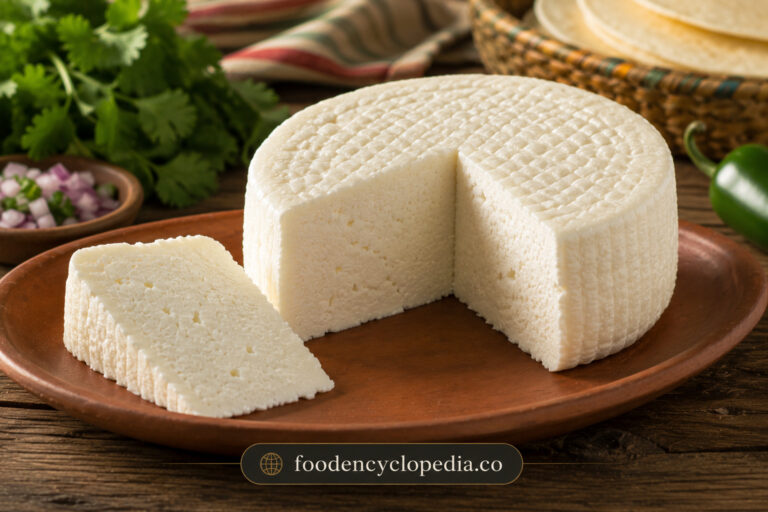
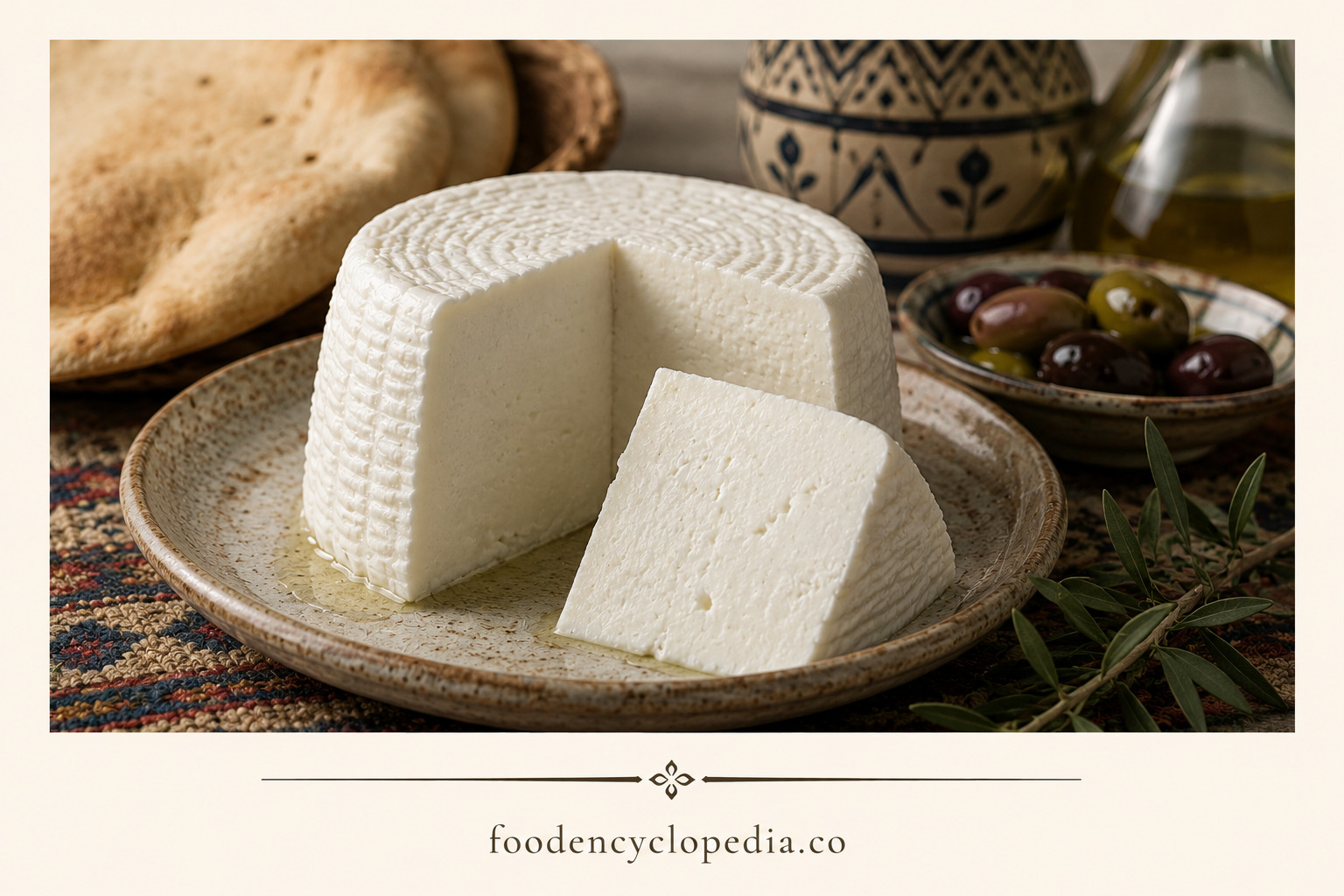
Egyptian Kariesh Cheese is one of the oldest and most cherished traditional cheeses in Egypt. Known for its distinctive white color, soft texture, and low-fat content, Kariesh cheese has been a staple in Egyptian households for centuries. Produced primarily from skimmed milk, this nutritious fresh cheese is widely appreciated for its high protein content, affordability, and health benefits.
As consumer demand continues to grow for natural, minimally processed dairy products, Egyptian Kariesh cheese has gained increasing attention both locally and internationally. Its unique production process, rich cultural heritage, and nutritional profile make it an important product within Egypt’s dairy sector.
What Is Egyptian Kariesh Cheese?
Kariesh cheese is a traditional Egyptian soft cheese made through the natural fermentation of skimmed cow’s or buffalo’s milk. Unlike many commercial cheeses that contain higher fat levels, Kariesh is naturally low in fat while remaining rich in protein, calcium, vitamins, and essential minerals.
Traditionally, rural families produced Kariesh cheese at home using earthenware containers and simple fermentation techniques. Today, modern dairy processors utilize controlled manufacturing methods to ensure consistent quality, food safety, and extended shelf life while preserving the cheese’s authentic characteristics.
The cheese is typically consumed fresh and is often served with vegetables, bread, olive oil, and traditional Egyptian dishes. Its mild, slightly acidic flavor makes it a versatile ingredient for breakfast, snacks, and healthy meal preparations.
Nutritional Benefits of Kariesh Cheese
Kariesh cheese is widely recognized as one of the healthiest traditional cheeses available. Key nutritional benefits include:
- High-quality protein for muscle growth and maintenance
- Low fat and reduced calorie content
- Rich source of calcium for bone health
- Contains essential vitamins and minerals
- Suitable for weight-conscious consumers
- Supports a balanced and nutritious diet
Due to its favorable nutritional profile, Kariesh cheese is frequently recommended for individuals seeking healthier dairy alternatives.
How Egyptian Kariesh Cheese Is Made
The production of Kariesh cheese involves a simple yet carefully controlled fermentation and draining process.
1. Milk Selection and Preparation
Fresh skimmed milk, typically obtained from cow’s or buffalo’s milk, serves as the primary raw material. The milk is filtered to remove impurities and may be pasteurized to improve microbiological safety.
2. Fermentation and Coagulation
The prepared milk is inoculated with starter cultures containing beneficial lactic acid bacteria. These cultures ferment lactose into lactic acid, gradually lowering the milk’s pH and causing the proteins to coagulate and form curd.
Traditionally, natural souring methods were used, but modern production relies on standardized starter cultures for better consistency and quality control.
3. Curd Formation
As fermentation progresses, the milk thickens and separates into curd and whey. The coagulated curd develops the characteristic texture and flavor associated with authentic Kariesh cheese.
4. Draining the Whey
The curd is transferred into cheesecloth bags or perforated molds where excess whey drains naturally. This step helps concentrate the proteins and solids while creating the cheese’s firm yet soft texture.
5. Pressing and Shaping
Light pressing may be applied to remove additional whey and achieve the desired consistency. The cheese is then shaped into blocks or traditional forms depending on market requirements.
6. Salting
Salt is added either during or after draining to enhance flavor, improve preservation, and support product stability.
7. Packaging and Storage
The finished cheese is packaged under hygienic conditions and stored under refrigeration. Kariesh cheese is generally consumed fresh and has a relatively short shelf life compared to aged cheeses.
Growing Market Demand for Kariesh Cheese
The global trend toward healthy eating and natural dairy products has increased interest in traditional cheeses such as Kariesh. Consumers are actively seeking foods that offer high nutritional value without excessive fat content, making Kariesh cheese an attractive option for health-conscious markets.
In Egypt, Kariesh remains one of the most popular fresh cheeses, while export opportunities continue to expand as international consumers discover authentic Middle Eastern dairy products.
Conclusion
Egyptian Kariesh cheese represents a unique combination of tradition, nutrition, and simplicity. Produced through the natural fermentation of skimmed milk, this fresh white cheese delivers exceptional nutritional value while preserving a centuries-old culinary heritage. As demand for healthy dairy products continues to rise worldwide, Kariesh cheese stands out as an authentic and sustainable choice that reflects the rich history of Egyptian dairy craftsmanship.