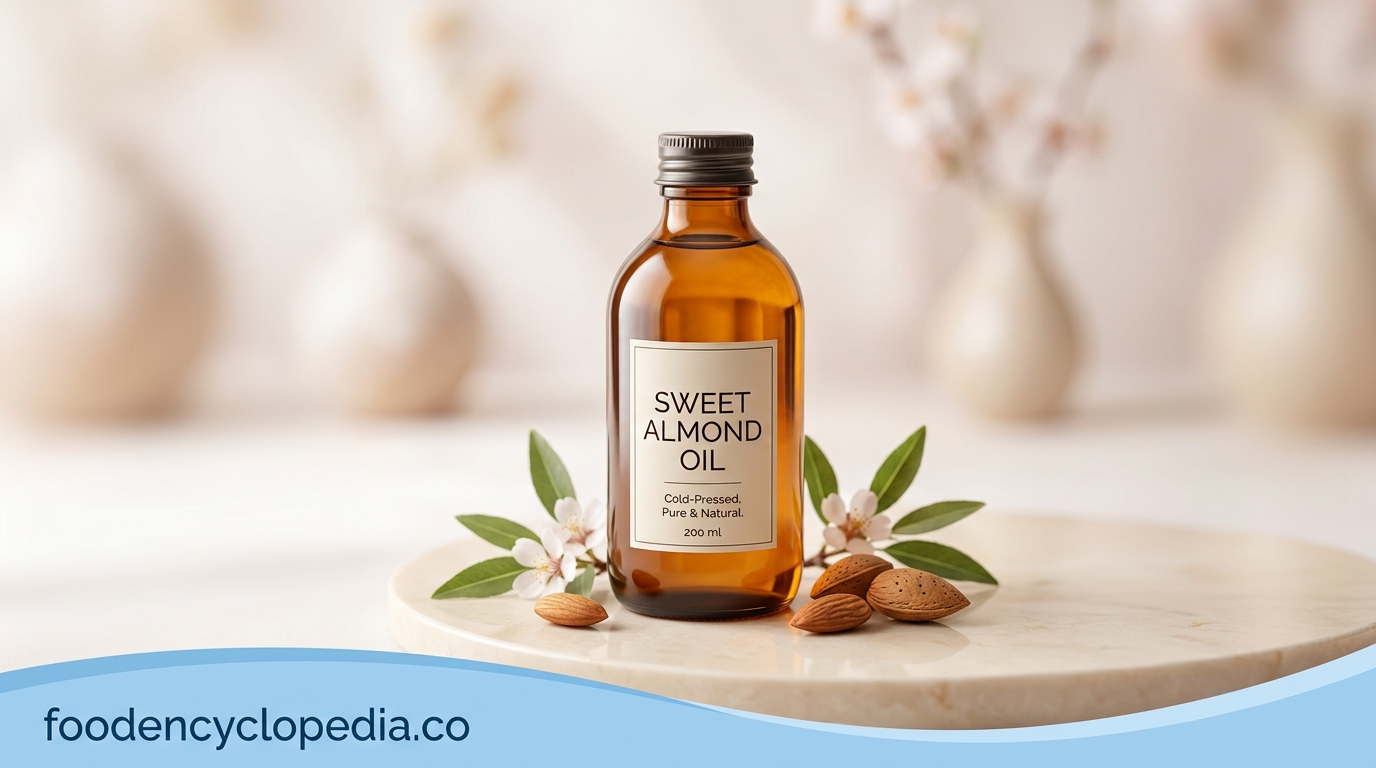
Almond Oil
Almond Oil: Benefits, Uses, and How to Make It at Home
What Is Almond Oil?
Almond oil is a natural oil extracted from the kernels of almonds (Prunus dulcis). It has been valued for centuries in cooking, skincare, hair care, and traditional wellness practices across the Mediterranean, the Middle East, North Africa, and South Asia.
It comes in two main types:
- Sweet almond oil is pressed from sweet almonds and is the type used for skincare, massage, and cooking.
- Bitter almond oil comes from bitter almonds, which contain compounds that can release cyanide. It is not suitable for home use and is processed commercially for flavorings and fragrances.
Almond oil is also sold as refined (neutral flavor, higher smoke point, better for cooking) or unrefined/cold-pressed (richer aroma and more nutrients, ideal for skin and finishing dishes).
Key Benefits of Almond Oil
Rich in nutrients. Almond oil is a good source of vitamin E and monounsaturated fatty acids, both known for their antioxidant and moisturizing properties.
Skin care. Almond oil is a popular emollient that helps soften skin and lock in moisture. It is commonly used in body oils, lotions, and massage blends, and it is gentle enough for many skin types.
Hair and scalp care. Many people use it to add shine, reduce dryness, and condition the ends of the hair.
Culinary use. Refined almond oil has a mild, slightly nutty flavor and works well for baking and sautéing, while cold-pressed almond oil suits dressings and drizzling.
Massage and aromatherapy. Its light texture and long glide make it a favorite carrier oil for essential oils.
Note: Almond oil is a tree nut product. Anyone with a nut allergy should avoid it, and those with sensitive skin should patch-test before first use.
How Almond Oil Is Made
Almond oil is produced by extracting the natural oils from almond kernels. There are two main approaches.
Commercial production
- Cleaning and sorting: Almonds are cleaned and inspected.
- Crushing: The kernels are ground or flaked.
- Pressing: Mechanical presses squeeze out the oil. In cold pressing, temperatures stay low to preserve nutrients and flavor.
- Filtering: The oil is filtered to remove solids.
- Refining (optional): Some oils are refined to remove color and scent and raise the smoke point.
How to make almond oil at home
Homemade almond oil is a rewarding project, but yields are modest: expect roughly 2 to 4 tablespoons of oil from a pound of almonds without a press.
What you need
- 2 cups raw sweet almonds (never bitter almonds)
- A food processor or high-powered blender
- A fine cheesecloth or nut milk bag
- A bowl, a spoon, and a clean glass bottle
- Optional: a small amount of warm water
Method 1: Hand-pressed almond oil
- Prepare the almonds. Use fresh, unsalted, raw sweet almonds. For a milder oil, lightly toast them at 150°C (300°F) for 8 to 10 minutes, then let them cool completely.
- Grind into a paste. Pulse the almonds in a food processor, scraping down the sides, until you have a thick, smooth paste or almond butter. This can take 8 to 15 minutes. The paste will release its oil as you go.
- Loosen the paste. Stir in 1 to 2 tablespoons of warm (not hot) water to help release the oil.
- Press and squeeze. Place the paste in cheesecloth and twist firmly over a bowl. Squeeze repeatedly, using a heavy object or a clean press for extra pressure.
- Let it settle. Leave the collected liquid to rest for several hours. The oil will rise to the top, and any water and sediment will sink.
- Separate and strain. Carefully skim or pour off the oil, then strain it through clean cloth or a coffee filter.
- Bottle it. Transfer the oil to a clean, dry, dark glass bottle.
Method 2: Using an electric oil press
If you plan to make oil regularly, a small household oil press is the most efficient option. Feed the almonds into the press, collect the oil as it flows out, then let it settle and filter it. This method produces much higher yields and a cleaner oil than hand pressing.
Storage tips
- Store in a cool, dark place, or refrigerate for longer shelf life.
- Homemade oil keeps for about 3 to 6 months, and refrigeration can extend that. Discard it if it smells sour or rancid.
- Always use sterilized, fully dry containers, since moisture shortens shelf life.
Tips for Choosing Quality Almond Oil
If you would rather buy than make your own, look for:
- “Cold-pressed” and “unrefined” on the label for skincare and finishing
- “100% pure sweet almond oil” with no added fragrance or fillers
- Dark glass packaging to protect against light damage
- A clear production or expiry date
Frequently Asked Questions
Is almond oil good for the face?
Many people use it as a gentle moisturizer or makeup remover. If you are prone to breakouts, patch-test first.
Can I cook with almond oil?
Yes. Refined almond oil handles moderate-heat cooking, while cold-pressed oil is best used raw.
How long does almond oil last?
Commercial oil typically lasts 6 to 12 months once opened if stored properly. Homemade oil has a shorter shelf life.
Final Thoughts
Almond oil is a versatile natural product that earns its place in the kitchen, the bathroom, and the beauty routine. Whether you buy a high-quality cold-pressed bottle or press your own at home, choosing fresh sweet almonds and storing the oil properly will give you the best results.