Danish Blue Cheese
Danish Blue Cheese: A Creamy, Tangy Classic of Denmark
What Is Danish Blue Cheese?
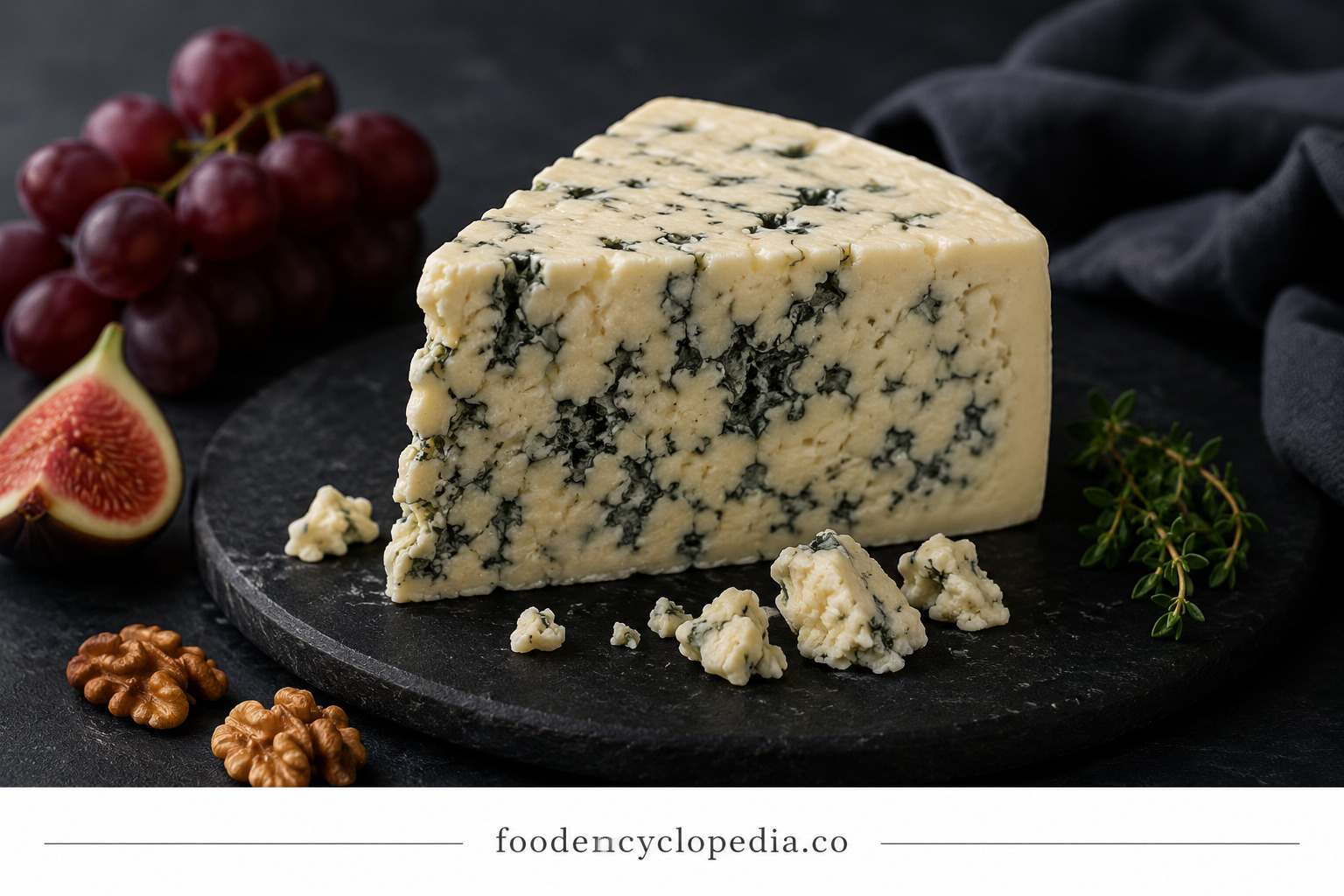
Danish Blue Cheese is a world-famous semi-soft blue-veined cheese originating from Denmark. Known for its creamy texture, distinctive blue mold veins, and rich tangy flavor, Danish Blue Cheese has become one of the most widely exported blue cheeses globally. It offers a milder and creamier taste than many traditional blue cheeses, making it an excellent choice for both newcomers and experienced cheese enthusiasts.
Developed in the early 20th century as a Danish alternative to Roquefort, Danish Blue Cheese combines traditional cheesemaking techniques with modern production methods. Its smooth consistency, salty notes, and sharp aroma make it a versatile ingredient in salads, dressings, gourmet sandwiches, cheese boards, and cooked dishes.
History and Origin of Danish Blue Cheese
Danish Blue Cheese was first created in Denmark during the 1920s by cheesemaker Marius Boel. His goal was to produce a blue-veined cheese that could rival the famous French Roquefort while utilizing Danish dairy traditions and locally sourced cow’s milk. The result was a distinctive cheese that quickly gained popularity throughout Europe and beyond.
Today, Danish Blue Cheese enjoys Protected Geographical Indication (PGI) status within the European Union, ensuring that authentic Danish Blue Cheese is produced according to strict quality standards in Denmark.
How Danish Blue Cheese Is Made
The production of Danish Blue Cheese involves a carefully controlled process that encourages the growth of beneficial blue mold cultures responsible for its characteristic appearance and flavor.
1. Milk Preparation
Fresh pasteurized cow’s milk is standardized to achieve the desired fat content. Starter cultures are added to initiate fermentation and develop flavor.
2. Addition of Blue Mold Culture
A specific strain of Penicillium roqueforti is introduced into the milk. This beneficial mold will later create the distinctive blue-green veins throughout the cheese.
3. Coagulation
Rennet is added to coagulate the milk, forming a curd. The curd is then cut into small pieces to release whey and achieve the desired texture.
4. Molding and Draining
The curds are transferred into molds where they naturally drain. Unlike many cheeses, the curds are loosely packed to allow air pockets to remain inside the cheese.
5. Salting
The cheese is salted either by dry salting or brining. Salt enhances flavor, controls moisture, and supports the development of the blue mold.
6. Piercing the Cheese
After initial maturation, stainless steel needles pierce the cheese. These small holes allow oxygen to enter, enabling the Penicillium roqueforti mold to grow and spread throughout the interior.
7. Aging and Ripening
The cheese is aged in temperature- and humidity-controlled rooms for approximately 8 to 12 weeks. During this period, the blue veins develop, and the flavor becomes richer, creamier, and more complex.
Flavor Profile
Danish Blue Cheese is celebrated for its balanced flavor profile:
- Creamy and smooth texture
- Mild to moderately sharp taste
- Tangy and slightly salty notes
- Rich buttery character
- Distinctive earthy blue mold aroma
Compared to stronger blue cheeses such as Roquefort or Stilton, Danish Blue is generally creamier and less intense, making it highly accessible.
Nutritional Benefits
Danish Blue Cheese is a nutritious dairy product that provides:
- High-quality protein
- Calcium for bone health
- Phosphorus and essential minerals
- Vitamin B12
- Healthy dairy fats
As with most cheeses, it should be enjoyed in moderation due to its sodium and fat content.
Culinary Uses of Danish Blue Cheese
Its rich flavor and creamy consistency make Danish Blue Cheese extremely versatile in the kitchen. Popular uses include:
- Cheese platters and charcuterie boards
- Green salads and dressings
- Gourmet burgers and sandwiches
- Pasta sauces
- Pizza toppings
- Stuffed vegetables and meats
- Pairing with fruits, nuts, and honey
The cheese also pairs exceptionally well with pears, walnuts, figs, and crusty artisan bread.
Conclusion
Danish Blue Cheese is one of the world’s most recognizable blue cheeses, valued for its creamy texture, striking blue veins, and balanced tangy flavor. Crafted from cow’s milk and ripened with Penicillium roqueforti, it offers a milder alternative to stronger blue cheeses while retaining the complexity and character that blue cheese lovers appreciate. Whether enjoyed on a cheese board or incorporated into gourmet recipes, Danish Blue Cheese remains a timeless favorite in international cuisine.