Monterey Jack Cheese
Monterey Jack Cheese: History, Characteristics, and How It Is Made
Introduction to Monterey Jack Cheese
Monterey Jack cheese is one of America’s most popular semi-hard cheeses, renowned for its mild flavor, creamy texture, and exceptional melting qualities. Originating in California during the 18th century, Monterey Jack has become a staple ingredient in countless recipes, from sandwiches and burgers to Mexican-inspired dishes and gourmet cheese platters.
Its smooth consistency, subtle buttery taste, and versatility make it a favorite among home cooks, professional chefs, and cheese enthusiasts alike. Whether enjoyed fresh, melted, or aged, Monterey Jack cheese offers a delicious balance of flavor and functionality that continues to drive its popularity worldwide.
What Is Monterey Jack Cheese?
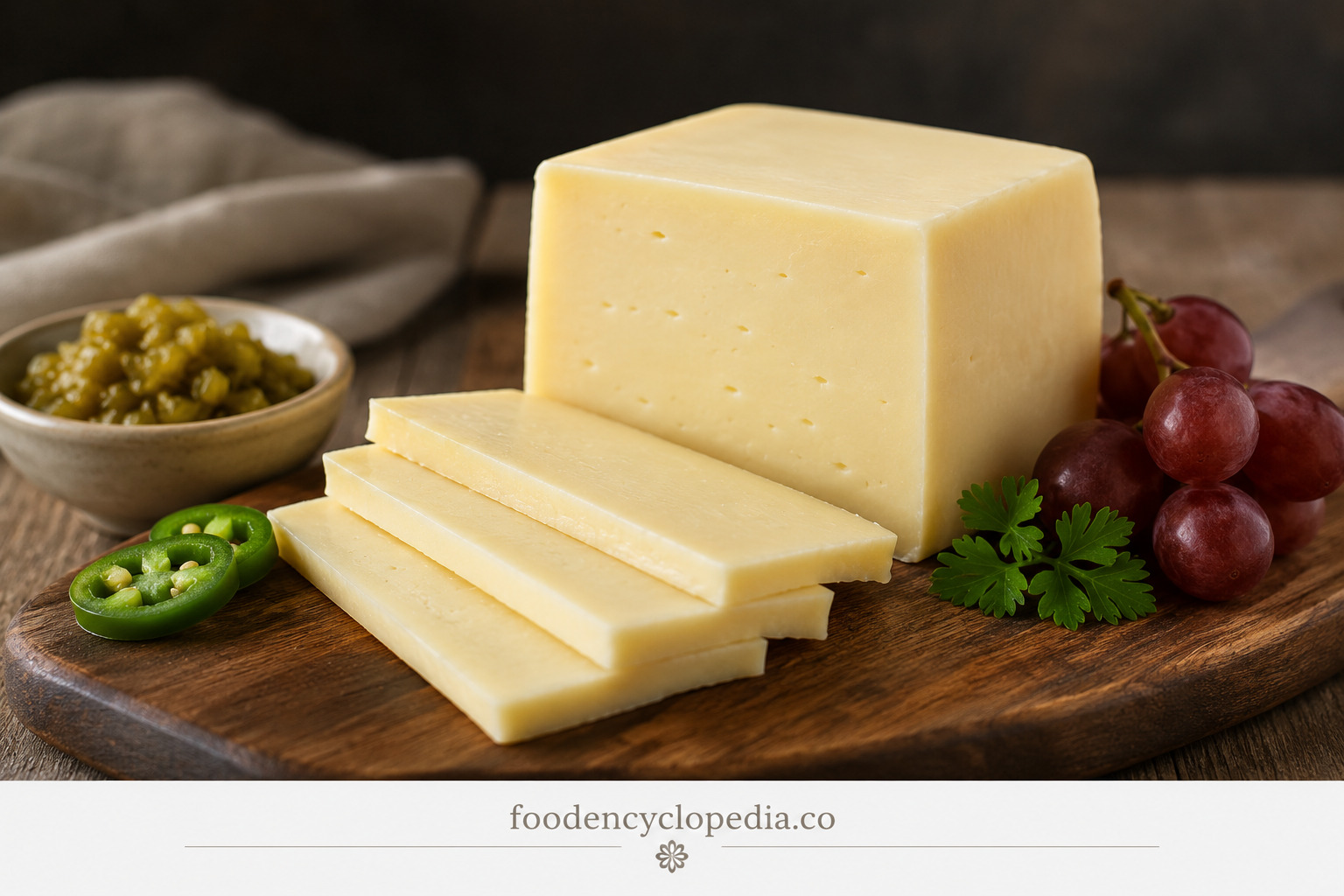
Monterey Jack is a semi-hard cow’s milk cheese characterized by its pale ivory color, mild flavor profile, and smooth, creamy texture. Traditionally produced from pasteurized whole milk, it is aged for a relatively short period, resulting in a soft and approachable taste that appeals to a wide range of consumers.
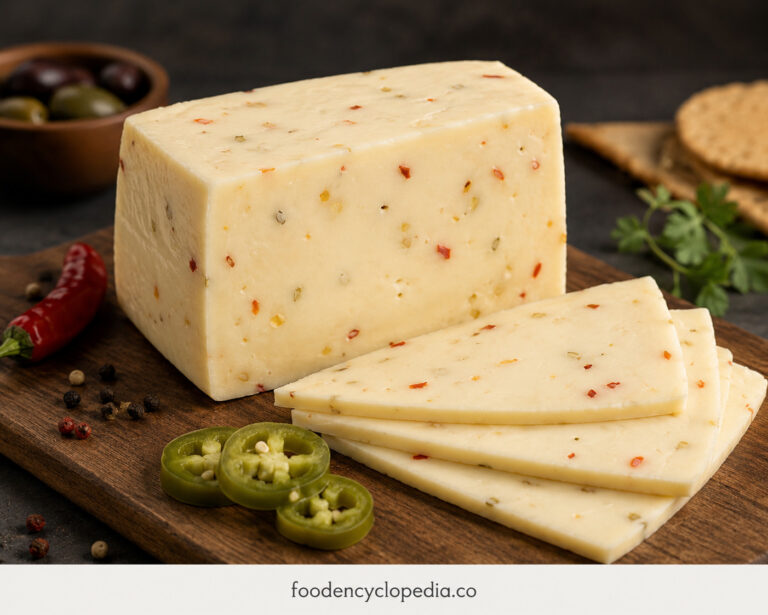
The cheese originated in the Monterey region of California and was popularized by businessman David Jack, whose name eventually became associated with the product. Today, Monterey Jack serves as the foundation for several specialty cheese varieties, including Pepper Jack and Dry Jack.
Nutritional Benefits of Monterey Jack Cheese
Monterey Jack cheese provides several important nutrients that contribute to a balanced diet:
- High-quality protein for muscle growth and repair
- Calcium for strong bones and teeth
- Phosphorus to support bone health
- Vitamin B12 for nervous system function
- Healthy fats that contribute to satiety and energy
Like most cheeses, Monterey Jack should be consumed in moderation as part of a healthy eating plan due to its sodium and saturated fat content.
How Monterey Jack Cheese Is Made
The production of Monterey Jack cheese combines traditional cheesemaking techniques with modern food safety standards. The process involves several carefully controlled stages to achieve its distinctive flavor and texture.
1. Milk Selection and Pasteurization
The process begins with high-quality cow’s milk. Most commercial producers use pasteurized milk to eliminate harmful bacteria while preserving the milk’s nutritional value and flavor characteristics.
2. Adding Starter Cultures
Special bacterial starter cultures are added to the milk. These beneficial bacteria convert lactose (milk sugar) into lactic acid, which helps develop the cheese’s flavor and texture.
3. Coagulation
Cheesemakers add rennet, an enzyme that causes the milk proteins to coagulate and form a gel-like structure known as curd. This stage typically takes 30 to 45 minutes.
4. Cutting the Curds
Once the curd has formed, it is cut into small cubes. Cutting releases whey, the liquid portion of milk, and helps determine the final moisture content of the cheese.
5. Cooking and Stirring
The curds are gently heated and stirred to encourage further whey separation. This step contributes to Monterey Jack’s characteristic smooth and supple texture.
6. Draining the Whey
The whey is drained away, leaving behind the curds. The curds may be washed with water to reduce acidity and create a milder flavor profile.
7. Molding and Pressing
The curds are transferred into molds and pressed under controlled pressure. Pressing removes excess moisture and helps create the cheese’s uniform shape and texture.
8. Salting
Salt is added either directly to the curds or through a brining process. Salting enhances flavor, controls moisture, and contributes to preservation.
9. Aging
Monterey Jack cheese is typically aged for one to six months. During this period, the cheese develops its signature creamy texture and mild, buttery taste. Longer aging can create a firmer texture and more pronounced flavor.
10. Packaging and Distribution
After aging, the cheese is inspected for quality, packaged, and distributed to retailers, restaurants, and food service providers.
Popular Uses of Monterey Jack Cheese
Monterey Jack’s excellent melting properties make it an ideal choice for numerous culinary applications:
- Quesadillas and tacos
- Burgers and sandwiches
- Macaroni and cheese
- Pizza toppings
- Cheese sauces and dips
- Casseroles
- Cheese boards and appetizers
Its mild flavor also allows it to blend well with stronger cheeses, creating balanced and flavorful cheese combinations.
Monterey Jack vs. Other Cheeses
Compared to cheddar, Monterey Jack offers a softer texture and milder flavor. Unlike mozzarella, it has a richer buttery taste while maintaining excellent melting characteristics. These qualities make it a versatile option for recipes where a smooth melt and subtle flavor are desired.
Conclusion
Monterey Jack cheese remains a beloved American cheese thanks to its creamy texture, mild flavor, and exceptional versatility in the kitchen. Produced through a carefully controlled cheesemaking process involving milk culturing, coagulation, pressing, salting, and aging, it delivers a consistently high-quality product that appeals to consumers of all ages.
Whether melted into comfort foods, incorporated into gourmet recipes, or enjoyed on its own, Monterey Jack continues to be a valuable and flavorful addition to the world of cheese.