Mustard Sauce
Mustard Sauce: The Bold and Flavorful Condiment with a Rich Culinary Heritage
Mustard sauce is one of the world’s oldest and most versatile condiments, renowned for its distinctive tangy flavor, smooth texture, and ability to enhance a wide variety of dishes. Made primarily from mustard seeds, vinegar, water, and seasonings, mustard sauce has been enjoyed for centuries across Europe, North America, and many other regions of the world.
Whether used as a dipping sauce, sandwich spread, salad dressing ingredient, or accompaniment to grilled meats, mustard sauce delivers a unique balance of sharpness, acidity, and subtle spice. Its versatility and bold character have made it a staple ingredient in both traditional and modern cuisine.
What Is Mustard Sauce?
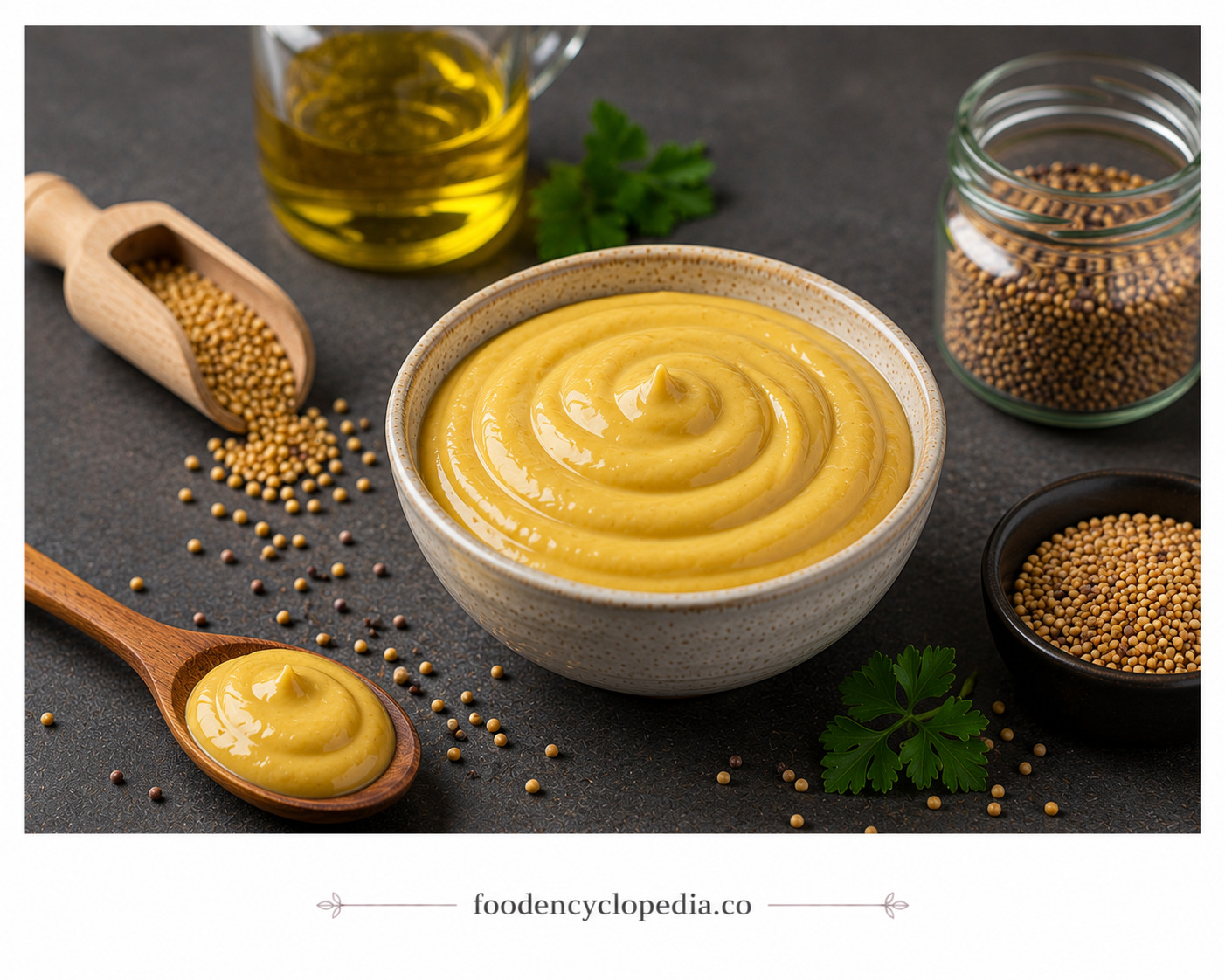
Mustard sauce is a condiment created by combining ground mustard seeds with liquid ingredients such as vinegar, water, wine, or lemon juice. Additional ingredients like honey, herbs, spices, and oils are often incorporated to create different flavor profiles.
The color and taste of mustard sauce can vary depending on the type of mustard seeds used. Yellow mustard seeds produce a milder flavor, while brown and black mustard seeds create a stronger, spicier taste.
How Mustard Sauce Is Made
Homemade mustard sauce is simple to prepare and allows complete control over flavor and texture.
Ingredients
- ¼ cup mustard powder or finely ground mustard seeds
- 3 tablespoons water
- 2 tablespoons white vinegar or apple cider vinegar
- 1 tablespoon honey or sugar
- 1 tablespoon olive oil
- ½ teaspoon salt
- ¼ teaspoon black pepper
Instructions
1. Mix the Dry Ingredients
In a small bowl, combine the mustard powder, salt, and black pepper.
2. Add the Liquids
Slowly add the water and vinegar while stirring continuously to create a smooth paste.
3. Incorporate Sweetener and Oil
Add the honey (or sugar) and olive oil, then whisk until the mixture becomes creamy and well blended.
4. Rest the Sauce
Allow the sauce to rest for at least 30 minutes. This helps the flavors develop and softens the sharpness of the mustard.
5. Store Properly
Transfer the mustard sauce to a clean jar and refrigerate. The flavor will continue to improve over the next day or two.
Nutritional Benefits of Mustard Sauce
Mustard sauce contains naturally occurring antioxidants and plant compounds derived from mustard seeds. It is generally low in calories and can provide flavor without excessive fat or sugar, depending on the recipe.
Homemade versions also allow you to reduce sodium and avoid artificial preservatives commonly found in some commercial products.
Popular Uses for Mustard Sauce
Mustard sauce is commonly enjoyed with:
- Hot dogs and sausages
- Burgers and sandwiches
- Grilled chicken and meats
- Roasted vegetables
- Pretzels and appetizers
- Salad dressings
- Seafood dishes
- Marinades and glazes
Its sharp and tangy flavor complements both rich and delicate foods alike.
Tips for the Best Homemade Mustard Sauce
- Use freshly ground mustard seeds for maximum flavor.
- Adjust the vinegar level to control acidity.
- Add honey for a sweeter and milder sauce.
- Allow the sauce to mature overnight for a smoother taste.
- Experiment with herbs and spices for unique variations.
Conclusion
Mustard sauce is a timeless condiment that combines bold flavor, versatility, and culinary tradition in every spoonful. Easy to make at home and highly customizable, it remains a favorite accompaniment for countless dishes around the world. Whether used as a dip, spread, dressing, or cooking ingredient, homemade mustard sauce brings vibrant flavor and character to any meal.