Mascarpone Cheese
Mascarpone Cheese: Italy’s Luxuriously Creamy Culinary Treasure
Mascarpone cheese is one of Italy’s most beloved dairy products, celebrated for its exceptionally smooth texture, rich flavor, and remarkable versatility in both sweet and savory dishes. Originating in the Lombardy region of northern Italy, this fresh cream cheese has become a staple ingredient in kitchens around the world, particularly for its essential role in the famous Italian dessert, Tiramisu.
What Is Mascarpone Cheese?
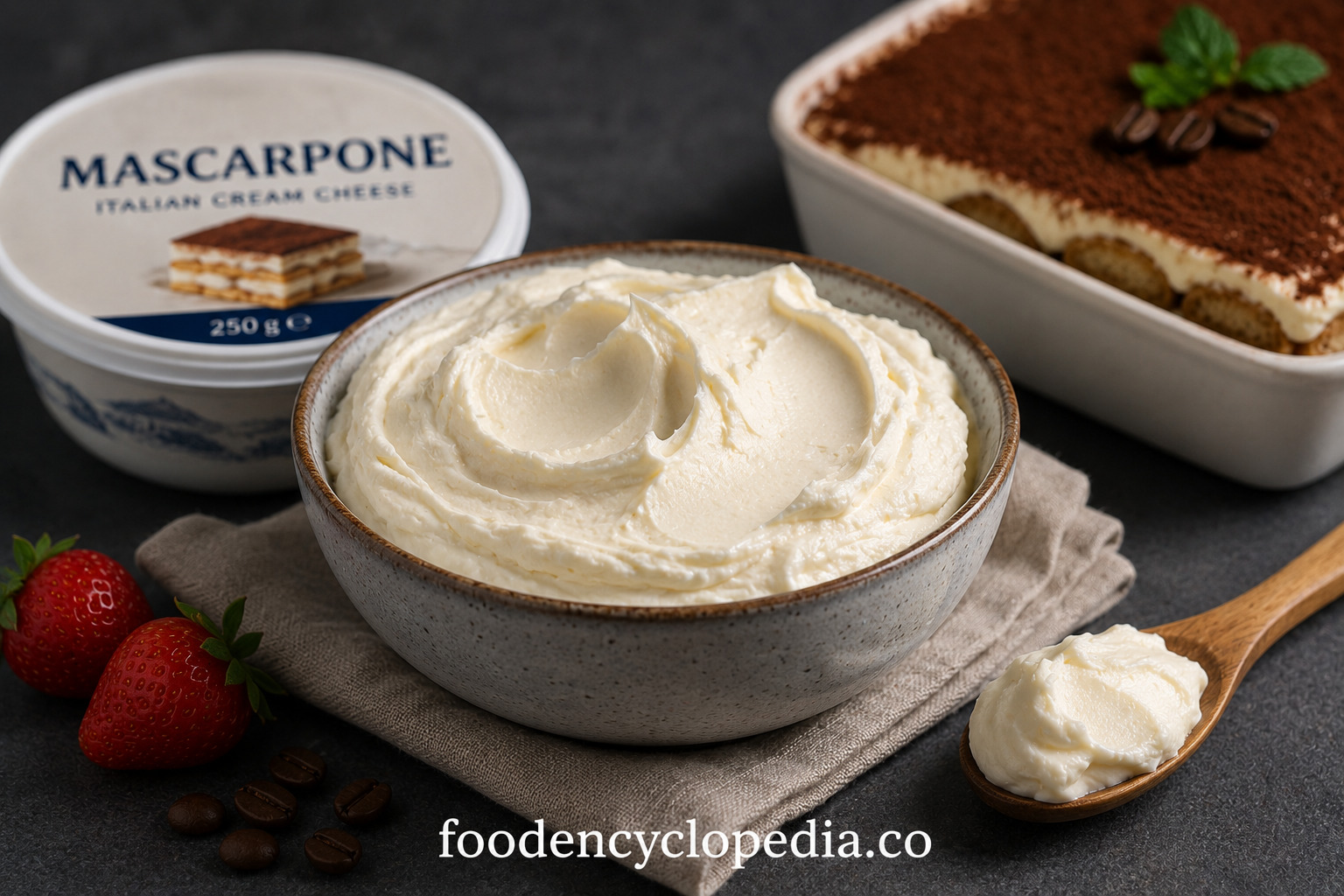
Mascarpone is a soft, fresh cheese made primarily from cream rather than milk. Unlike many traditional cheeses that rely on rennet for coagulation, mascarpone is produced by adding a mild acid—such as citric acid or tartaric acid—to heated cream. This process creates a thick, velvety cheese with a high butterfat content, typically ranging between 60% and 75%.
The result is a rich, spreadable cheese characterized by its silky consistency, delicate sweetness, and buttery flavor. Its luxurious mouthfeel makes it a favorite ingredient among professional chefs, pastry makers, and home cooks alike.
History and Origins of Mascarpone
Mascarpone traces its roots to the fertile agricultural lands of Lombardy, particularly the areas around Lodi and Abbiategrasso. Historians believe the cheese has been produced since the late 16th or early 17th century. Thanks to the region’s abundant dairy farms and longstanding cheesemaking traditions, mascarpone quickly became an important part of northern Italian cuisine.
Today, mascarpone is enjoyed globally and remains synonymous with Italian culinary excellence.
Flavor and Texture
One of mascarpone’s defining characteristics is its exceptionally creamy texture. Smooth, dense, and almost cloud-like, it spreads effortlessly and blends seamlessly into recipes.
Its flavor is mild and slightly sweet, with subtle buttery notes and very little tanginess. This balanced taste allows mascarpone to complement a wide variety of ingredients, including coffee, chocolate, berries, herbs, vegetables, seafood, and cured meats.
Culinary Uses of Mascarpone Cheese
Mascarpone is renowned for its versatility in the kitchen. Some of its most popular applications include:
- Creating classic tiramisu and other Italian desserts.
- Adding richness to cheesecakes, mousses, and pastries.
- Enhancing pasta sauces with a creamy texture.
- Enriching risottos and soups.
- Serving as a spread for bread, crostini, and crackers.
- Pairing with fresh fruits, honey, and nuts.
- Incorporating into frostings and cake fillings.
Its ability to blend smoothly without overpowering other flavors makes mascarpone a valuable ingredient in both traditional and modern cuisine.
Nutritional Profile
Mascarpone cheese is rich in fats and calories due to its cream-based production. It also provides essential nutrients such as:
- Calcium
- Vitamin A
- Vitamin D
- Phosphorus
- Protein
While it can be enjoyed as part of a balanced diet, moderation is recommended because of its high fat content.
How to Store Mascarpone
To maintain freshness and quality, mascarpone should be refrigerated at all times. Once opened, it is best consumed within a few days and kept tightly sealed to prevent absorption of other refrigerator odors. Freezing is generally not recommended, as it may alter the cheese’s smooth texture.
Why Mascarpone Remains a Culinary Favorite
Mascarpone cheese continues to captivate food lovers with its luxurious creaminess, subtle flavor, and exceptional versatility. Whether folded into elegant desserts, stirred into savory sauces, or enjoyed simply with fresh fruit, mascarpone delivers a rich and indulgent experience that embodies the finest traditions of Italian gastronomy.
From classic tiramisu to innovative contemporary recipes, mascarpone remains an indispensable ingredient that adds sophistication, depth, and creamy perfection to countless dishes around the world.