Fish Sauce
Fish Sauce: The Essential Umami-Rich Condiment and How to Make It
Fish Sauce is one of the most important ingredients in Southeast Asian cuisine, celebrated for its deep savory flavor, rich aroma, and remarkable ability to enhance countless dishes. Made through the natural fermentation of fish and salt, this traditional condiment has been a cornerstone of culinary traditions in countries such as Thailand, Vietnam, Cambodia, and the Philippines for centuries. Despite its simple ingredients, fish sauce delivers an intense umami taste that adds depth and complexity to soups, stir-fries, marinades, dipping sauces, curries, and noodle dishes.
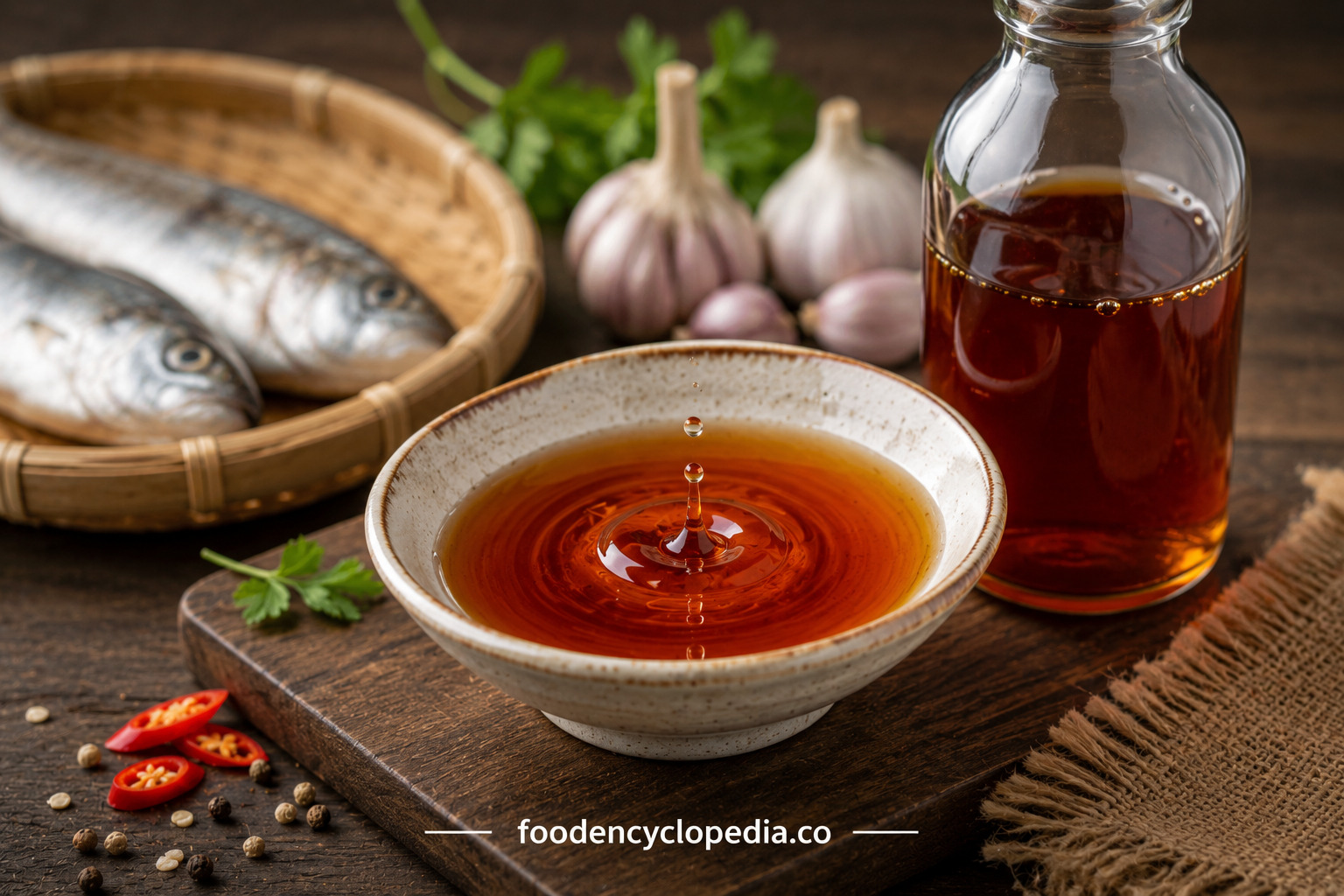
What makes fish sauce unique is its fermentation process. Over time, fish and salt break down naturally, creating a clear amber-colored liquid packed with amino acids and savory compounds. The result is a sauce with a distinctive flavor profile that is salty, slightly sweet, deeply savory, and incredibly aromatic. While its scent can be strong, its flavor transforms dishes by bringing balance and richness that cannot easily be replicated by other seasonings.
In addition to its culinary value, fish sauce contains naturally occurring nutrients derived from fish, including amino acids and minerals. Because only a small amount is needed to season food, it serves as a powerful flavor enhancer that can elevate both traditional and modern recipes. Today, fish sauce is widely used around the world by professional chefs and home cooks alike who appreciate its ability to create authentic Asian flavors.
How to Make Traditional Fish Sauce
Authentic fish sauce is traditionally produced through a lengthy fermentation process. While commercial producers often ferment fish for many months or even years, a simplified homemade version can be prepared using the same basic principles.
Ingredients
- 1 kilogram fresh anchovies or small fish
- 250–300 grams sea salt
- A sterilized glass jar with an airtight lid
Instructions
- Wash the fish thoroughly and remove any impurities.
- Layer the fish and salt in the sterilized jar, ensuring that all fish are well coated with salt.
- Press the mixture down firmly and seal the jar tightly.
- Store the jar in a cool, dark place for several months, ideally 6 to 12 months.
- During fermentation, the fish will gradually break down and release a rich amber liquid.
- Once fermentation is complete, strain the liquid through a fine mesh sieve or cheesecloth.
- Transfer the clear liquid to clean bottles and store in a cool place.
- Use as a seasoning, marinade, or base for sauces and dressings.
Tips for the Best Fish Sauce
- Use very fresh fish for the highest quality flavor.
- Sea salt is preferred because it helps support proper fermentation.
- Longer fermentation generally produces a richer and more complex sauce.
- Keep all equipment clean and sterilized to avoid contamination.
- Store finished fish sauce in sealed bottles away from direct sunlight.
- A small amount goes a long way, so use it gradually when seasoning dishes.
Common Uses for Fish Sauce
Fish sauce is incredibly versatile and is used in many classic Asian recipes. It is a key ingredient in dipping sauces, noodle dishes, soups, curries, fried rice, and stir-fries. It can also be added to marinades for chicken, beef, pork, seafood, and vegetables. Many chefs even use small amounts in non-Asian recipes to boost savory flavor and add depth to sauces, stews, and dressings.
Variations Around the World
Different countries produce fish sauce with unique characteristics. Vietnamese fish sauce is often prized for its purity and balanced flavor, while Thai varieties may have a slightly sweeter profile. Regional recipes may incorporate different fish species, fermentation methods, or aging periods, resulting in distinct tastes and aromas. Despite these differences, all authentic fish sauces share the same goal: delivering concentrated umami flavor through natural fermentation.
With its rich history, powerful savory taste, and unmatched versatility, fish sauce remains one of the world’s most influential condiments. Whether used in traditional Southeast Asian cooking or modern fusion cuisine, this fermented fish seasoning continues to be an essential ingredient for creating complex, flavorful dishes that leave a lasting impression.