Oyster Sauce
Oyster Sauce: The Rich Umami Condiment and How to Make It
Oyster Sauce is one of the most iconic ingredients in Asian cuisine, prized for its rich umami flavor, glossy texture, and remarkable versatility. Originally developed in China, this savory condiment has become a staple in kitchens throughout Asia and around the world. Made from oyster extracts, seasonings, and a carefully balanced blend of ingredients, oyster sauce adds depth, complexity, and a subtle sweetness to a wide variety of dishes, including stir-fries, marinades, noodle dishes, vegetables, and meat recipes.
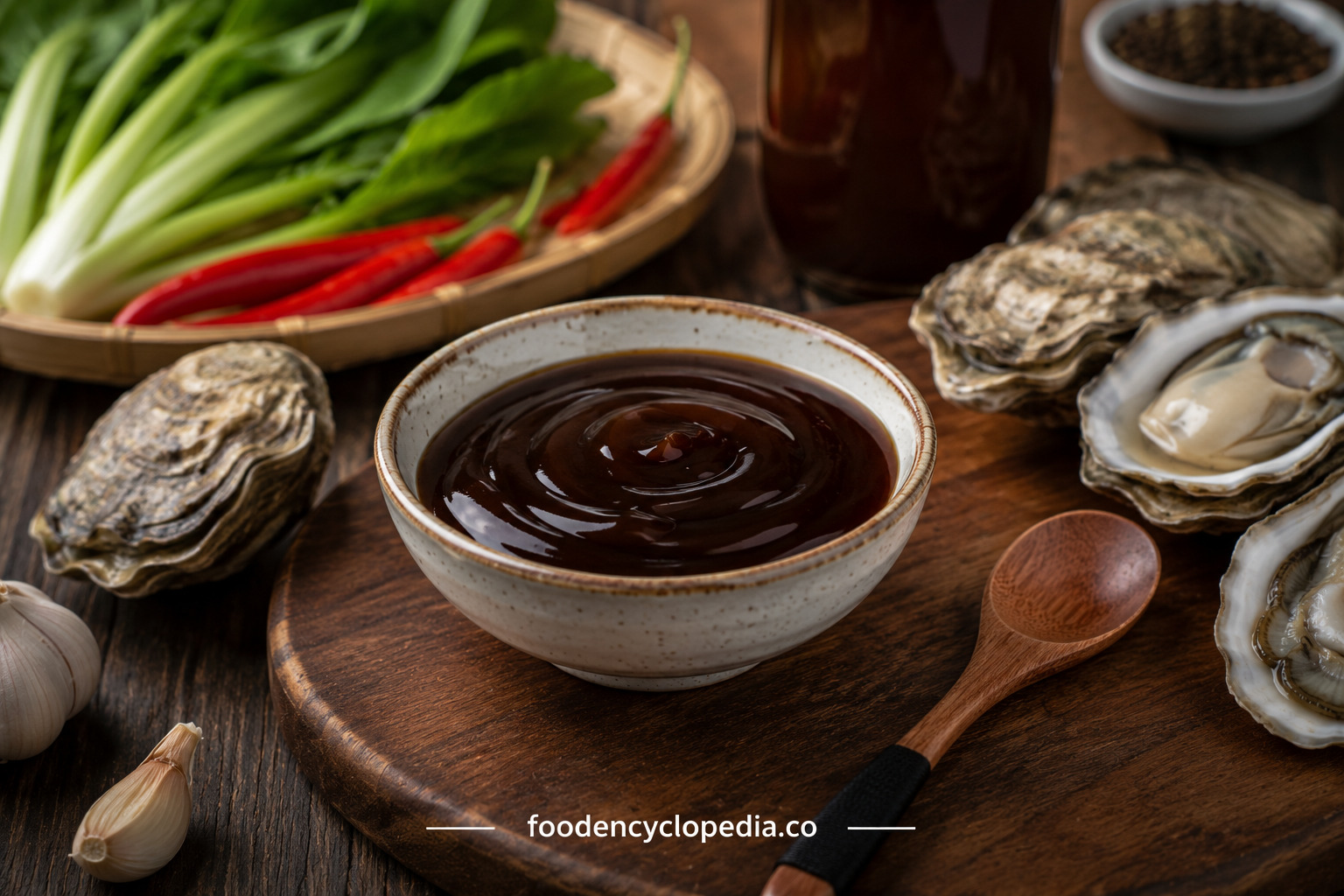
What makes oyster sauce so distinctive is its unique combination of savory and sweet flavors. Despite its name, high-quality oyster sauce does not taste strongly of seafood. Instead, it delivers a deep, concentrated umami character created by slowly cooking oysters and reducing their natural juices. The result is a thick, dark brown sauce that enhances ingredients without overpowering them, making it an essential seasoning in many Chinese, Thai, Vietnamese, and other Asian cuisines.
Beyond its culinary appeal, oyster sauce is valued for its ability to transform simple ingredients into flavorful meals. A small amount can enrich vegetables, meats, seafood, and rice dishes, providing restaurant-quality taste with minimal effort. Its balanced flavor profile makes it one of the most versatile sauces available for both traditional and modern cooking.
How to Make Traditional Oyster Sauce
Authentic oyster sauce is traditionally produced by simmering oysters until their natural juices are concentrated. While commercial versions often include additional ingredients for consistency and shelf life, a homemade version can capture the essence of this classic sauce.
Ingredients
- 500 grams fresh oysters
- 2 cups water
- 2 tablespoons soy sauce
- 1 tablespoon sugar
- 1 teaspoon salt
- 1 tablespoon cornstarch
- 2 tablespoons water (for the cornstarch slurry)
Instructions
- Rinse the oysters thoroughly under cold water.
- Place the oysters and 2 cups of water in a saucepan and bring to a gentle simmer.
- Cook for 20–30 minutes, allowing the oysters to release their natural juices.
- Strain the liquid and return it to the saucepan.
- Add the soy sauce, sugar, and salt, then simmer until the liquid reduces and becomes more concentrated.
- In a small bowl, mix the cornstarch with 2 tablespoons of water to create a slurry.
- Slowly stir the slurry into the sauce while whisking continuously.
- Continue cooking until the sauce thickens and develops a glossy texture.
- Allow the sauce to cool before transferring it to a clean, airtight container.
- Store in the refrigerator and use as needed.
Tips for the Best Oyster Sauce
- Use fresh, high-quality oysters for the richest flavor.
- Simmer slowly to extract maximum flavor from the oysters.
- Avoid over-thickening the sauce; it should remain smooth and pourable.
- Adjust sweetness and saltiness to suit your taste preferences.
- Store refrigerated and consume within one week for optimal freshness.
- Use sparingly, as its concentrated flavor can easily season an entire dish.
Common Uses for Oyster Sauce
Oyster sauce is incredibly versatile and can be used in numerous recipes. It is a classic ingredient in stir-fried vegetables, beef and broccoli, noodle dishes, fried rice, and Asian-style marinades. It can also be added to soups, gravies, and sauces to enhance savory depth. Many chefs use oyster sauce as a secret ingredient to boost umami flavor in both traditional Asian recipes and modern fusion cuisine.
Variations and Modern Alternatives
Today, oyster sauce is available in many varieties. Traditional versions focus on oyster extract and seasonings, while premium varieties contain higher concentrations of oyster essence for a richer flavor. Vegetarian alternatives are also popular and are often made from mushrooms, providing a similar umami profile without seafood. These alternatives make it possible for more people to enjoy the characteristic taste and versatility of oyster-style sauces.
With its deep umami character, smooth texture, and exceptional ability to enhance food, oyster sauce remains one of the most influential condiments in global cuisine. Whether used in classic Asian dishes or creative contemporary recipes, this flavorful sauce continues to be a kitchen essential for cooks seeking rich, savory flavor and authentic culinary depth.