Karak Tea
Karak Tea: The Ultimate Guide to the Middle East’s Favorite Spiced Milk Tea
If you’ve ever walked past a tea stall in Dubai, Doha, or Manama and caught a whiff of something warm, spiced, and impossibly comforting, chances are you’ve smelled karak tea. Also known as karak chai, this bold, creamy, spice-infused brew has become one of the most beloved beverages across the Gulf region and South Asia — and it’s steadily winning fans around the world.
In this guide, you’ll learn exactly what karak tea is, where it comes from, what goes into it, and how to make an authentic cup at home.
What Is Karak Tea?
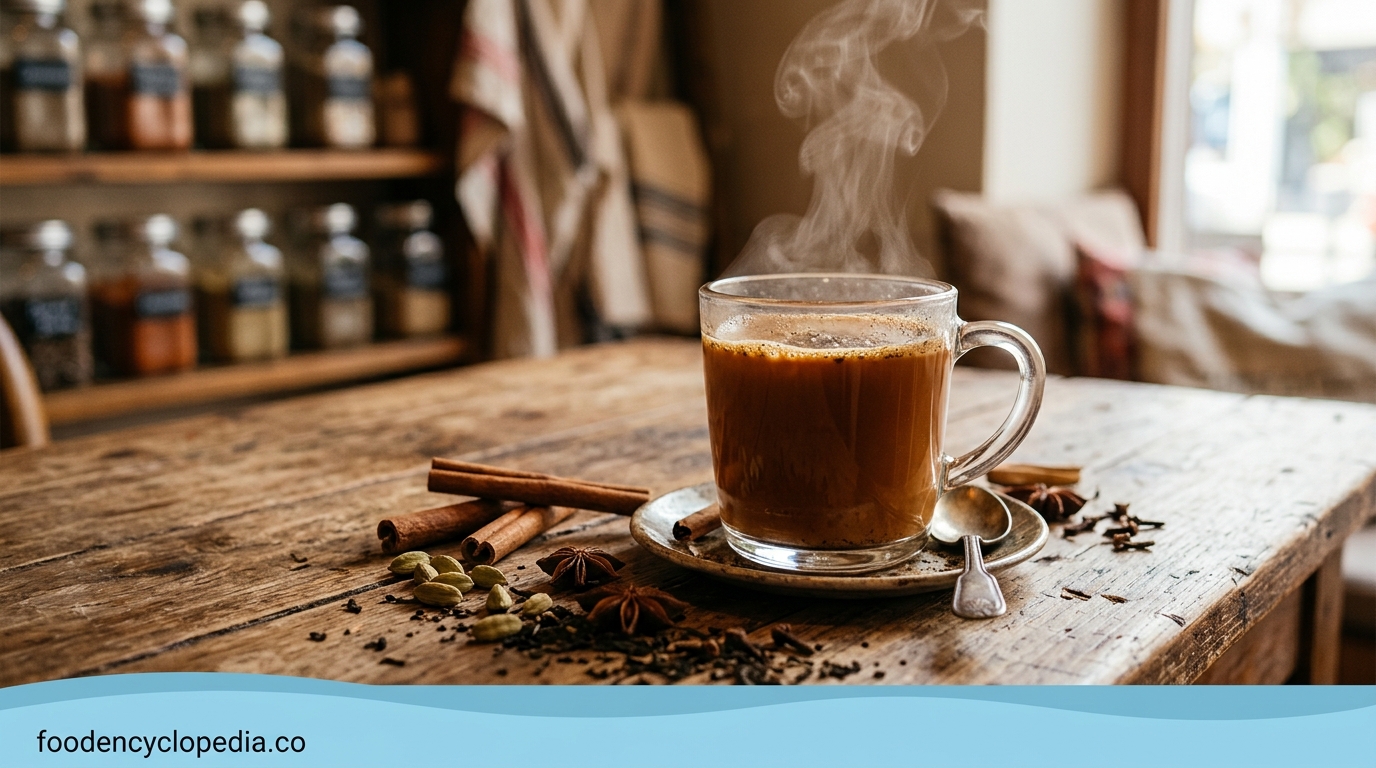
Karak tea is a strong black tea simmered with milk, sugar, and warming spices like cardamom, cinnamon, and ginger. The word “karak” means “strong” in Hindi and Urdu, and it’s an apt name — this isn’t a light afternoon tea. It’s bold, thick, sweet, and deeply aromatic, closer in spirit to Indian masala chai but with its own distinct character shaped by Gulf tea culture.
Unlike Western-style tea, where milk is simply added to a brewed cup, karak tea is cooked. The tea leaves, spices, milk, and sweetener are simmered together for several minutes, allowing the flavors to fully meld and the liquid to take on a rich, caramel-like color and velvety texture.
Where Does Karak Tea Come From?
Karak tea’s roots trace back to Indian and Pakistani laborers who brought their chai traditions to the Gulf states in the mid-20th century. Over time, the recipe evolved to suit local tastes, incorporating evaporated or condensed milk and a slightly different spice profile than traditional Indian chai. Today, it’s a staple in the United Arab Emirates, Qatar, Bahrain, Saudi Arabia, and Kuwait, served everywhere from humble roadside stalls to upscale cafés. It’s often enjoyed alongside a side of Turkish delight or a light snack, and shared with family, friends, or guests as a gesture of hospitality.
What Makes Karak Tea Different from Regular Chai?
While karak tea and masala chai share a common ancestry, a few things set karak apart:
- Longer simmering time – Karak is cooked longer than standard chai, which deepens the flavor and thickens the texture.
- Fewer, more concentrated spices – Where masala chai often includes a wide spice blend, karak typically leans on cardamom as the star, sometimes joined by cinnamon, ginger, cloves, or saffron.
- Evaporated or condensed milk – Many karak recipes use evaporated milk for extra richness, rather than fresh milk alone.
- Bold, strong tea base – True to its name, karak is brewed with a stronger black tea concentration than a typical cup of chai.
Key Ingredients in Karak Tea
A classic karak tea recipe is simple, relying on just a handful of pantry staples:
- Black tea – Loose-leaf black tea or strong tea bags (many Gulf households have a favorite brand)
- Water
- Milk – Whole milk, evaporated milk, or condensed milk for richness
- Cardamom – Crushed pods for that signature aromatic bite
- Sugar – White or brown, added or adjusted to taste
- Optional spices – Cinnamon sticks, fresh ginger, cloves, star anise, or a pinch of saffron for extra depth
How to Make Karak Tea at Home
Here’s a simple, authentic method for brewing karak tea in your own kitchen.
Ingredients (Serves 2–3)
- 2 cups water
- 2 black tea bags or 2 tablespoons loose black tea
- 4–5 cardamom pods, lightly crushed
- 1 cinnamon stick (optional)
- 2–3 slices fresh ginger (optional)
- ½ cup evaporated milk (or whole milk)
- 2–3 tablespoons sugar, or to taste
Instructions
- Simmer the spices. In a small saucepan, combine the water, cardamom pods, cinnamon stick, and ginger. Bring to a boil, then reduce to a simmer for 3–5 minutes to let the spices infuse.
- Add the tea. Stir in the black tea leaves or tea bags. Let it simmer for another 3–5 minutes, until the water turns a deep amber color.
- Add milk and sugar. Pour in the evaporated milk and sugar. Stir well and let the mixture simmer gently for 5–8 minutes, stirring occasionally, until the tea thickens slightly and turns a rich caramel-brown.
- Strain and serve. Pour the tea through a fine strainer into small cups or glasses to catch the tea leaves and whole spices. Serve hot.
Tips for the Best Karak Tea
- Adjust the strength. For a bolder cup, increase the tea and let it simmer a bit longer. For a milder version, reduce the steeping time.
- Customize the spice blend. Some people add a pinch of saffron threads for color and fragrance, while others prefer a simpler cardamom-only version.
- Try dairy-free milk. Oat milk, almond milk, or coconut milk can be substituted, though coconut milk will add its own distinct flavor.
- Make it kid-friendly. Use decaffeinated tea for a version the whole family can enjoy.
- Storage. Leftover karak tea keeps in the fridge for up to a few days and can even be frozen into ice cubes for a quick iced tea later.
Final Thoughts
Karak tea is more than just a beverage — it’s a ritual of warmth, hospitality, and comfort that has been passed down through generations across South Asia and the Middle East. With just a few pantry staples and about 15 minutes of simmering, you can bring that same cozy, spiced experience into your own home. Whether you’re new to karak or looking to perfect your version, this rich, creamy tea is well worth the simmer.