Mish Cheese
Mish Cheese: The Ancient Fermented Cheese Tradition and How It Is Made
Introduction
Mish cheese is one of the oldest and most distinctive fermented cheeses in the Middle East, renowned for its bold flavor, rich aroma, and centuries-old production methods. Often referred to as a traditional Egyptian delicacy, Mish has been a staple in rural households for generations, reflecting a deep connection between food, culture, and heritage.
Unlike conventional cheeses that are consumed shortly after production, Mish cheese undergoes a unique fermentation process that can last for months or even years. This extended aging period develops its characteristic pungent taste, creamy texture, and complex flavor profile. Today, Mish continues to attract food enthusiasts, culinary historians, and consumers seeking authentic fermented foods with traditional roots.
What Is Mish Cheese?
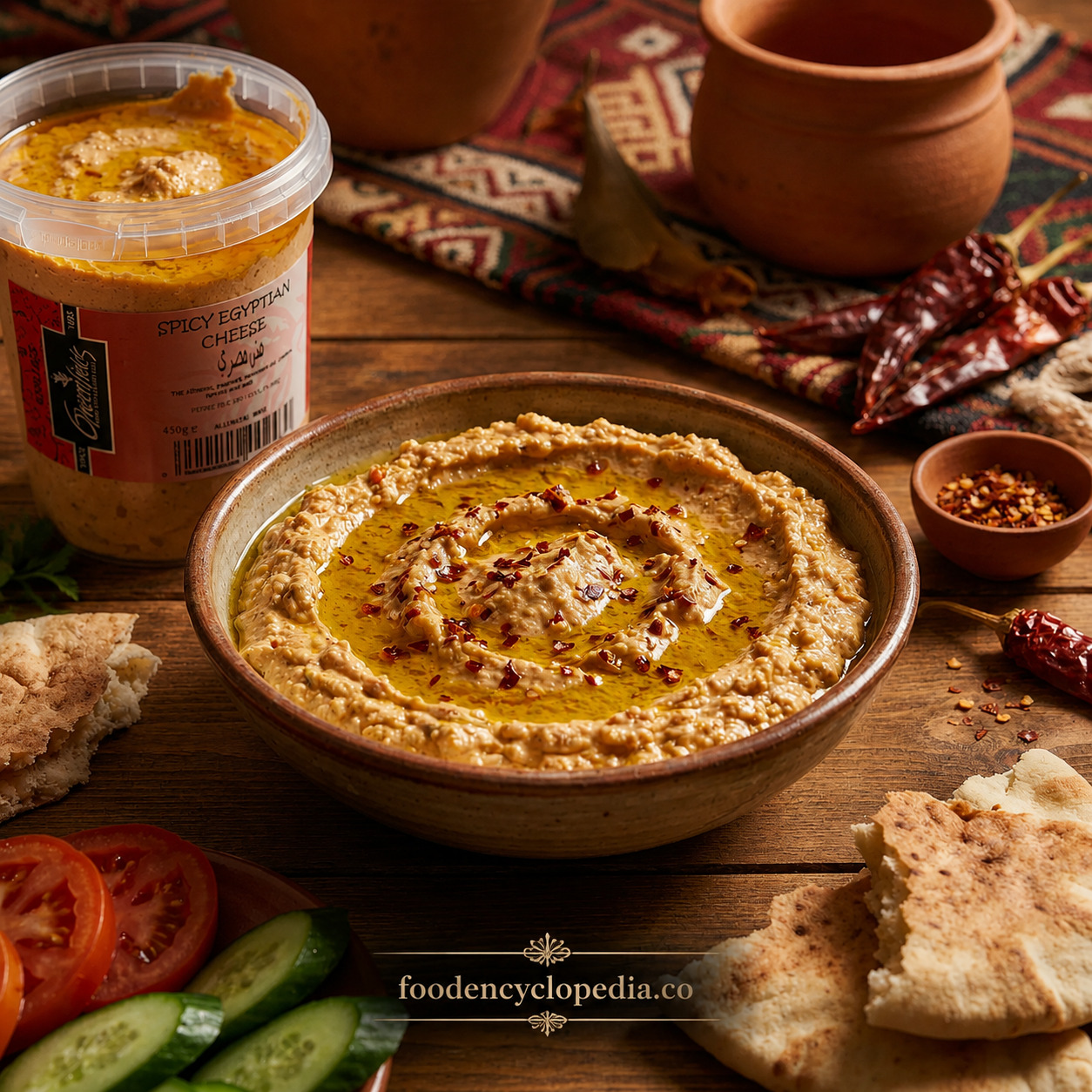
Mish cheese is a naturally fermented cheese traditionally made from aged white cheeses such as Domiati, Karish, or other local varieties. The cheese is preserved in earthenware jars or containers filled with a brine solution and often mixed with ingredients such as whey, milk, butterfat, spices, and peppers. Over time, beneficial microorganisms transform the cheese, creating its distinctive flavor, aroma, and appearance.
Because of its traditional preparation methods, no two batches of Mish are exactly alike. Factors such as fermentation time, environmental conditions, and regional practices contribute to the unique characteristics of each product.
How Mish Cheese Is Made
The production of Mish cheese begins with the selection of mature white cheese, typically made from cow, buffalo, sheep, or goat milk. The cheese is first salted and partially aged before being placed in fermentation containers.
The basic manufacturing process includes:
- Cheese Preparation – Fresh or aged white cheese is cut into pieces and prepared for fermentation.
- Brine Addition – The cheese is submerged in a salt-rich brine solution that helps preserve the product and encourages controlled fermentation.
- Flavoring Ingredients – Traditional recipes may include whey, milk cream, hot peppers, cumin, fenugreek, or other local seasonings to enhance flavor and texture.
- Fermentation and Aging – The mixture is sealed in clay pots, glass jars, or food-grade containers and stored for several months. During this period, naturally occurring microorganisms break down proteins and fats, producing the cheese’s signature taste and aroma.
- Maturation – As fermentation progresses, the cheese develops a softer texture and stronger flavor, reaching full maturity after extended aging.
The Cultural Significance of Mish Cheese
Mish cheese is more than just a food product; it represents a living culinary tradition passed down through generations. In many rural communities, families prepare Mish using recipes that have remained largely unchanged for centuries. The cheese is commonly served with fresh bread, vegetables, and traditional meals, making it an integral part of local food culture.
As interest in artisanal and fermented foods continues to grow worldwide, Mish cheese is gaining recognition for its unique production process, authentic heritage, and distinctive sensory qualities.
Conclusion
Mish cheese stands as a remarkable example of traditional fermented dairy craftsmanship. Its lengthy aging process, rich flavor profile, and cultural importance make it one of the most fascinating cheeses in the world. Understanding how Mish cheese is made provides valuable insight into an ancient food tradition that continues to thrive in modern times, offering consumers an authentic taste of history with every bite.