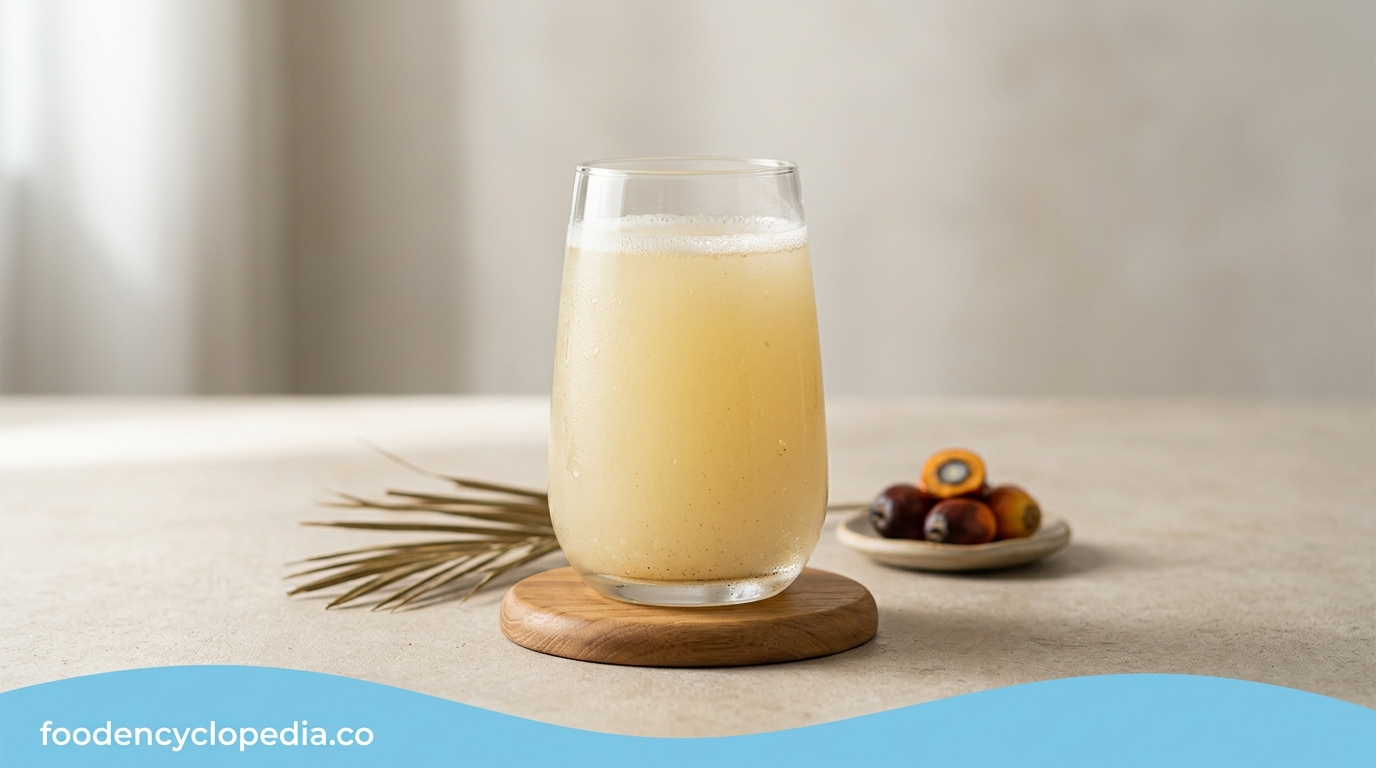
Palm Juice
Palm Juice: What It Is, Why People Love It, and How to Make It at Home
What Is Palm Juice?
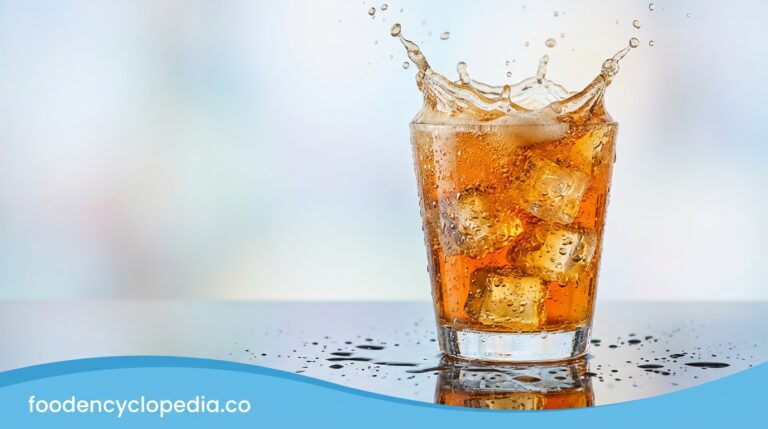
Palm juice is the sweet, lightly cloudy sap collected from the flower stalks (inflorescence) of certain palm trees. Common sources include coconut palms, palmyra (toddy) palms, date palms, and sugar palms. Known in different regions as neera, nira, tuak, or palm nectar, it has been a staple refreshment across South Asia, Southeast Asia, and parts of Africa for centuries.
Freshly collected palm juice is naturally sweet, with a mild, slightly nutty flavor. It is also the raw ingredient for palm sugar, palm jaggery, and palm syrup, popular natural sweeteners worldwide.
Palm Juice vs. Palm Wine
Fresh palm juice and palm wine come from the same sap, but they are different products:
- Palm juice (neera): Fresh, unfermented, sweet, and non-alcoholic.
- Palm wine (toddy): Sap that has naturally fermented, often within a few hours at warm temperatures, producing a tangy, mildly alcoholic drink.
Because wild yeasts begin fermenting the sap almost immediately, keeping palm juice fresh depends on cleanliness and temperature control.
Nutritional Profile and Potential Benefits
Fresh palm sap is mainly water and natural sugars (chiefly sucrose), along with small amounts of minerals such as potassium and magnesium and some B vitamins. People enjoy it as:
- A natural, less processed alternative to sugary soft drinks
- A source of quick energy and hydration
- A traditional ingredient in wellness drinks across many cultures
Some studies report that palm sap and its sugars have a lower glycemic index than refined sugar. However, it still contains sugar, so moderation matters, especially for people managing blood sugar. Anyone with a medical condition should check with a healthcare professional.
How Palm Juice Is Traditionally Harvested
Harvesting is a skilled craft, usually done by trained tappers:
- The tapper climbs the palm and selects an unopened flower stalk.
- The tip of the stalk is gently bound, bruised, and sliced to encourage sap flow.
- A clean collection pot is hung beneath the cut. It is traditionally coated with food-grade lime to slow fermentation.
- The sap is collected, typically at dawn, and the stalk is re-sliced thinly each day.
Tapping a palm tree is difficult and risky, so most home preparers buy fresh sap from a reputable local producer rather than harvesting it themselves.
How to Make Palm Juice at Home
This recipe turns fresh, just-collected palm sap into a safe, refreshing drink.
Ingredients
- 1 liter (about 4 cups) fresh palm sap, collected the same day and kept cold
- 1 to 2 teaspoons fresh lime juice (optional, for brightness)
- A small piece of fresh ginger, grated (optional)
- Ice, to serve
Equipment
- Clean muslin cloth or fine-mesh strainer
- Stainless steel or glass pot
- Food thermometer (recommended)
- Sterilized glass bottles with lids
Instructions
- Keep it cold. Transport the sap on ice and refrigerate it right away. Cold storage delays fermentation.
- Strain. Pour the sap through muslin or a fine strainer to remove insects, bark, and debris.
- Pasteurize gently. Heat the sap to about 70-75°C (160-165°F) and hold for 10 to 15 minutes. Don’t boil hard, or you will lose the fresh flavor and begin turning it into syrup.
- Cool quickly. Place the pot in an ice bath until the juice is cool.
- Flavor. Stir in lime juice or ginger if you like.
- Bottle and chill. Pour into sterilized bottles, seal, and refrigerate.
- Serve cold over ice.
Storage Tips
- Refrigerate at all times and drink within 24 to 48 hours.
- Discard it if it smells sour or yeasty, looks fizzy, or tastes sharp, which means fermentation has begun.
- Pasteurized juice may be frozen in clean containers for longer storage.
Turning Palm Juice into Palm Syrup or Sugar
To make palm syrup, simmer the strained sap over low heat, skimming foam, until it reduces to a thick, amber liquid. Cooking it down further and stirring as it cools produces palm jaggery or sugar. The sap needs to be reduced to a small fraction of its original volume, so expect to start with a large batch.
Ways to Enjoy Palm Juice
- Served chilled as a standalone refreshment
- Blended with lime, mint, or ginger
- Used as a natural sweetener in teas, porridge, and desserts
- Reduced into syrup for pancakes, yogurt, or baking
Frequently Asked Questions
Is palm juice the same as coconut water?
No. Coconut water comes from inside the coconut fruit, while palm juice is sap from the flower stalk of the tree.
Is palm juice alcoholic?
Fresh palm juice is not. It only becomes alcoholic as it ferments into palm wine.
How long does fresh palm juice last?
Unpasteurized sap can ferment within hours at room temperature. Pasteurized and refrigerated, it keeps for about one to two days.
Is palm juice healthy?
It contains natural minerals and is less processed than refined sugar, but it is still a sugar-rich drink best enjoyed in moderation.
Can I make palm juice without tapping a tree?
Yes. Buy fresh sap from a trusted local supplier and follow the steps above.
Final Thoughts
Palm juice is a naturally sweet, traditional drink with a growing global following. Whether you sip it fresh, turn it into syrup, or use it as a sweetener, the key to a great result is freshness, cleanliness, and cold storage. Start with high-quality sap, handle it carefully, and you can enjoy this ancient refreshment at home.