Lebanese Lemonade
Lebanese Lemonade: The Refreshing Middle Eastern Drink You Need to Try
If you think you’ve had lemonade before, Lebanese lemonade will change your mind. This vibrant, aromatic twist on the classic summer drink has been a staple of Lebanese cafes and home kitchens for generations, and it’s quickly winning over drink lovers around the world. With its signature blend of fresh lemon juice, fragrant orange blossom water, and mint, Lebanese lemonade offers a flavor profile that’s brighter, more complex, and more refreshing than standard lemonade.
In this article, we’ll explore what makes Lebanese lemonade special, why it’s become so popular, and how you can make it at home in just a few minutes.
What Is Lebanese Lemonade?
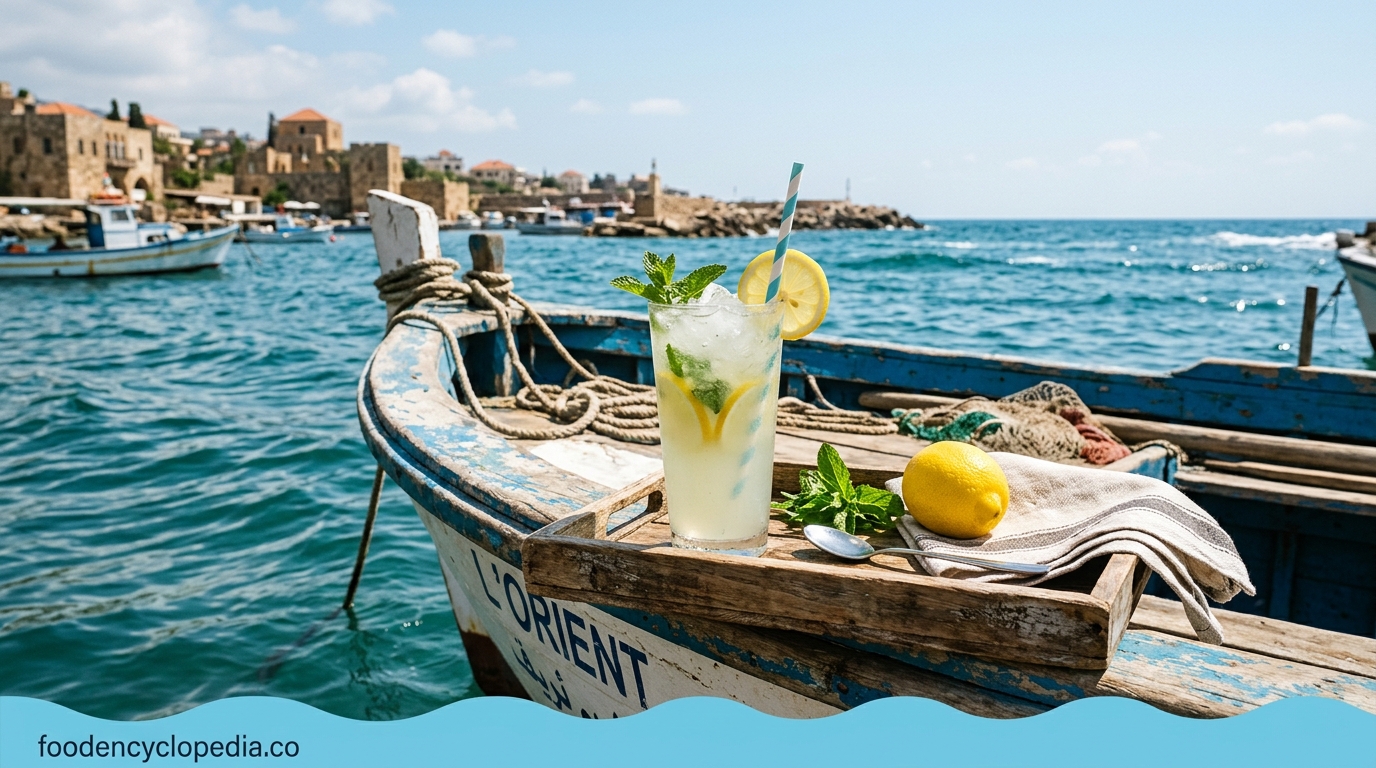
Lebanese lemonade is a chilled beverage made from freshly squeezed lemon juice, sugar, water, fresh mint leaves, and a small amount of orange blossom water (also known as orange flower water). Unlike many Western-style lemonades that rely solely on lemon and sugar, this Levantine version incorporates floral and herbal notes that add depth and complexity to every sip.
The drink is popular throughout Lebanon, Syria, and other parts of the Middle East, and it’s commonly found on the menus of Lebanese restaurants worldwide. It’s often served alongside mezze platters, grilled meats, or as a palate-cleansing drink on a hot day.
Why Lebanese Lemonade Stands Out
A few key ingredients set Lebanese lemonade apart from traditional lemonade recipes:
- Orange blossom water: This fragrant floral water is the secret ingredient that gives Lebanese lemonade its distinctive aroma and subtle sweetness. It’s made by distilling orange blossoms and is a common ingredient in Middle Eastern desserts and beverages.
- Fresh mint: Muddled or blended mint leaves add a cooling, herbaceous freshness that balances the tartness of the lemon.
- Blended, not just squeezed: Many traditional recipes blend whole lemon segments (minus seeds) rather than just juicing them, which creates a slightly thicker, more textured drink packed with citrus flavor.
The result is a lemonade that feels both familiar and excitingly new — tart, sweet, floral, and herbal all at once.
Health Benefits of Lebanese Lemonade
Beyond its refreshing taste, Lebanese lemonade offers several benefits:
- Rich in Vitamin C: Fresh lemons are packed with vitamin C, which supports immune health.
- Hydrating: Made mostly of water and citrus juice, it’s an excellent way to stay hydrated, especially in warm weather.
- Digestive support: Mint has long been used to soothe digestion, making this drink a great companion to rich or heavy meals.
- Naturally customizable: You can easily adjust the sugar content or use natural sweeteners like honey or agave for a healthier version.
How to Make Lebanese Lemonade at Home
Making Lebanese lemonade is simple and requires just a handful of ingredients. Here’s an easy recipe to try.
Ingredients (Serves 4)
- 4-5 fresh lemons (juiced, or peeled and deseeded if blending whole)
- 4 cups cold water
- 1/2 to 3/4 cup sugar (adjust to taste)
- 1 tablespoon orange blossom water
- A handful of fresh mint leaves, plus extra for garnish
- Ice cubes
Instructions
- Prepare the lemons. If juicing, squeeze the lemons and strain out the seeds and pulp. If blending whole, peel the lemons, remove seeds, and roughly chop the flesh.
- Blend the base. In a blender, combine the lemon juice (or chopped lemon flesh), cold water, sugar, and mint leaves. Blend until smooth, about 30-45 seconds.
- Strain the mixture. Pour the blended lemonade through a fine mesh strainer into a pitcher to remove pulp and mint fibers, leaving a smooth, refreshing liquid.
- Add orange blossom water. Stir in the orange blossom water. Start with a small amount, as its flavor is potent — you can always add more to taste.
- Chill and serve. Refrigerate for at least 30 minutes, or serve immediately over ice. Garnish with fresh mint sprigs and a lemon slice.
Tips for the Best Lebanese Lemonade
- Use fresh, ripe lemons for the best flavor — bottled lemon juice won’t deliver the same brightness.
- Orange blossom water varies in strength by brand, so add it gradually and taste as you go.
- For a fun variation, blend in a few ice cubes directly for a frozen, slushy-style lemonade.
- Store leftover lemonade in the refrigerator for up to 2 days; give it a good stir before serving, as ingredients may settle.
Final Thoughts
Lebanese lemonade is more than just a drink — it’s a simple celebration of fresh, aromatic ingredients that come together in minutes. Whether you’re pairing it with a Middle Eastern meal or simply looking for a new way to beat the heat, this floral, minty twist on classic lemonade is well worth adding to your rotation. Try it once, and it may just become your new favorite warm-weather refreshment.