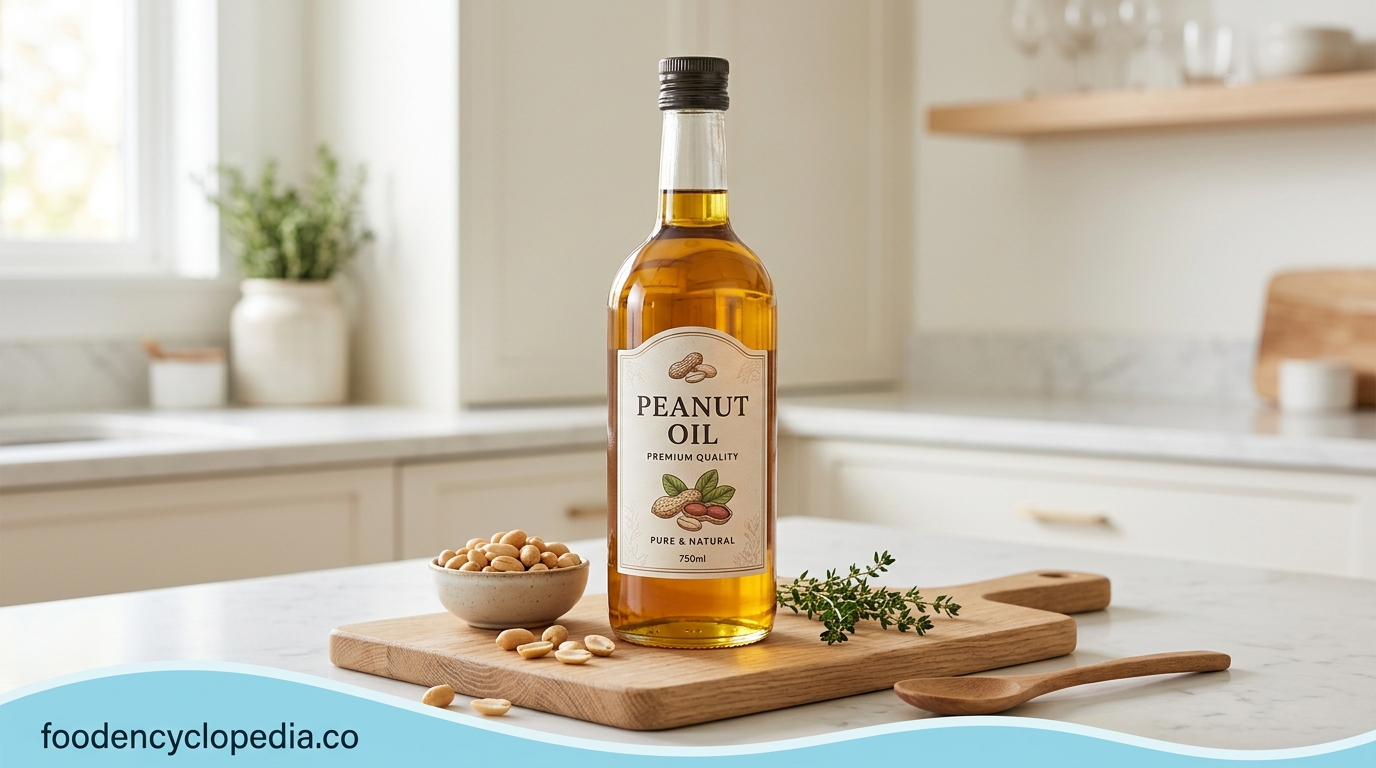
Peanut Oil
Peanut Oil: A Complete Introduction and Guide to Making It
Peanut oil, also known as groundnut oil or arachis oil, is one of the most versatile cooking oils in the world. It is prized for its high smoke point, mild nutty flavor, and long history in Asian, African, and American kitchens. Whether you are a home cook, a small-scale producer, or simply curious, this guide covers what peanut oil is, why it is popular, and how to make it yourself.
What Is Peanut Oil?
Peanut oil is a vegetable oil extracted from the seeds of the peanut plant (Arachis hypogaea). Although peanuts are legumes rather than true nuts, their seeds are naturally rich in oil, typically around 45 to 50 percent by weight, which makes them an excellent oilseed crop.
The oil is pale golden in color. Its flavor ranges from nearly neutral to distinctly roasted, depending on how it is processed.
Types of Peanut Oil
Not all peanut oil is the same. The main varieties include:
- Refined peanut oil: Filtered, bleached, and deodorized for a neutral taste and a very high smoke point (around 450°F / 232°C). It is the standard choice for deep frying.
- Cold-pressed (expeller-pressed) peanut oil: Extracted mechanically at low temperatures with little or no heat, preserving more natural flavor and nutrients. The smoke point is lower, around 320 to 350°F (160 to 177°C).
- Roasted peanut oil: Made from roasted peanuts, with a deep, toasty aroma. It is best used as a finishing oil in stir-fries, dressings, and sauces.
- Gourmet or blended peanut oil: Often mixed with other oils to balance cost, flavor, and performance.
Health Benefits and Nutrition
Peanut oil is composed mostly of unsaturated fats:
- Monounsaturated fats (about 45 to 50 percent), associated with heart-healthy diets
- Polyunsaturated fats (about 30 percent)
- Vitamin E, a fat-soluble antioxidant
- Phytosterols, plant compounds that may support healthy cholesterol levels
Like all oils, it is calorie-dense, at roughly 120 calories per tablespoon, so moderation matters. For personal dietary advice, consult a registered dietitian or healthcare provider.
Allergy note: Highly refined peanut oil is generally considered low-risk for most people with peanut allergies because the proteins are largely removed. Cold-pressed and unrefined oils may still contain allergenic proteins. People with peanut allergies should always check with their doctor before using any peanut oil.
Popular Uses of Peanut Oil
- Deep frying and stir-frying: The high smoke point and stable flavor make it a favorite for fried chicken, French fries, and wok cooking.
- Salad dressings and marinades: Cold-pressed varieties add a subtle nutty note.
- Baking and sautéing: A neutral alternative to canola or vegetable oil.
- Finishing oil: Roasted peanut oil drizzled over noodles, soups, or vegetables.
- Non-culinary uses: It also appears in skincare, massage oils, and soap making.
How to Make Peanut Oil at Home
Making peanut oil at home takes patience and the right equipment, but it is very doable. Here is the most common approach.
What You Will Need
- 2 to 3 pounds (about 1 to 1.5 kg) of raw, shelled, unsalted peanuts. This typically yields roughly 1 to 1.5 cups of oil.
- A baking sheet and oven (if roasting)
- A manual or electric oil press (an expeller press is best), or a high-powered blender and cheesecloth for a small-batch method
- A fine mesh strainer, cheesecloth, or coffee filter
- Clean glass jars or bottles with airtight lids
Step-by-Step Instructions
1. Choose quality peanuts. Use fresh, raw, shelled peanuts with no mold, discoloration, or off smell. Moldy peanuts can contain aflatoxins, so discard any questionable nuts.
2. Clean and dry the peanuts. Sort out any debris or damaged nuts. Make sure the peanuts are completely dry, since moisture reduces yield and shortens shelf life.
3. Decide on roasting. For a mild, neutral oil, skip roasting. For a richer, toastier oil, roast the peanuts at 300°F (150°C) for 15 to 20 minutes, stirring occasionally, until fragrant and lightly golden. Let them cool fully.
4. Warm the peanuts slightly (optional). Gently warming the peanuts to about 100 to 120°F (40 to 50°C) can improve how much oil the press extracts. Avoid overheating if you want a true cold-pressed product.
5. Press the peanuts. Feed the peanuts into your oil press in small amounts, following the manufacturer’s directions. Oil will flow from the spout while the compressed solids, called press cake, exit separately.
No press? Grind the peanuts in a food processor into a thick paste, add a small amount of warm water, and knead. Squeeze the mixture through cheesecloth and let the liquid rest so the oil rises to the top. This method yields much less oil, but it works for small experiments.
6. Filter the oil. Pour the freshly pressed oil through a fine strainer lined with cheesecloth or a coffee filter to remove solid particles.
7. Let it settle. Allow the oil to sit undisturbed for 24 to 48 hours. Sediment will sink to the bottom, and you can carefully decant the clear oil on top.
8. Bottle and store. Transfer the oil to clean, dry glass bottles. Store in a cool, dark place. Properly stored homemade peanut oil typically keeps for 3 to 6 months, and refrigeration can extend that.
Tips for Better Results
- Use fresh peanuts. Older nuts yield less oil and may taste stale.
- Keep everything clean and dry to prevent spoilage and rancidity.
- Don’t discard the press cake. It is high in protein and can be used in baking, cooking, or as animal feed.
- Make small batches until you know how long the oil stays fresh in your kitchen.
How Peanut Oil Is Made Commercially
Commercial producers generally use one of three methods:
- Mechanical pressing: Peanuts are crushed in an expeller press, with or without heat.
- Solvent extraction: A solvent such as hexane removes the remaining oil from the press cake for higher yield. The oil is then refined to remove the solvent.
- Refining: The crude oil is degummed, neutralized, bleached, and deodorized, which produces a clear, neutral oil with a long shelf life and high smoke point.
How to Choose and Store Peanut Oil
When shopping, check the label for the oil type (refined, cold-pressed, or roasted), the production date, and the packaging. Dark glass or tins protect against light. Once opened, keep the bottle tightly sealed away from heat, and use it within a few months for the best flavor. If it smells sharp, bitter, or like old paint, it has gone rancid and should be discarded.
Frequently Asked Questions
Is peanut oil healthy?
It is rich in monounsaturated fats and vitamin E and can be part of a balanced diet when used in moderation.
What is the smoke point of peanut oil?
Refined peanut oil reaches about 450°F (232°C), while unrefined or cold-pressed oil is lower, around 320 to 350°F (160 to 177°C).
Can you reuse peanut oil for frying?
Yes. Strain it after use and store it in a sealed container. It can often be reused a few times, but discard it if it darkens, smells off, or foams excessively.
Is peanut oil the same as groundnut oil?
Yes. “Groundnut oil” is the common name in the UK, India, and much of Africa and Asia.
Final Thoughts
Peanut oil earns its place in kitchens around the world thanks to its heat stability, versatility, and pleasant flavor. Whether you buy a bottle of refined oil for frying or press your own batch of fragrant, roasted peanut oil at home, understanding the differences between types will help you get the best results from this classic ingredient.