Roquefort Cheese
Roquefort Cheese: The King of Blue Cheeses
Introduction
Roquefort cheese is one of the world’s most celebrated and distinctive blue cheeses, renowned for its rich flavor, creamy texture, and centuries-old heritage. Produced exclusively in southern France, Roquefort has earned a prestigious reputation among cheese connoisseurs, chefs, and food enthusiasts worldwide. Its unique production process, protected designation of origin, and unmistakable taste make it a true icon of French gastronomy.
Whether enjoyed on a cheese board, paired with fine wines, or incorporated into gourmet recipes, Roquefort cheese offers an exceptional culinary experience that has captivated palates for generations.
What Is Roquefort Cheese?
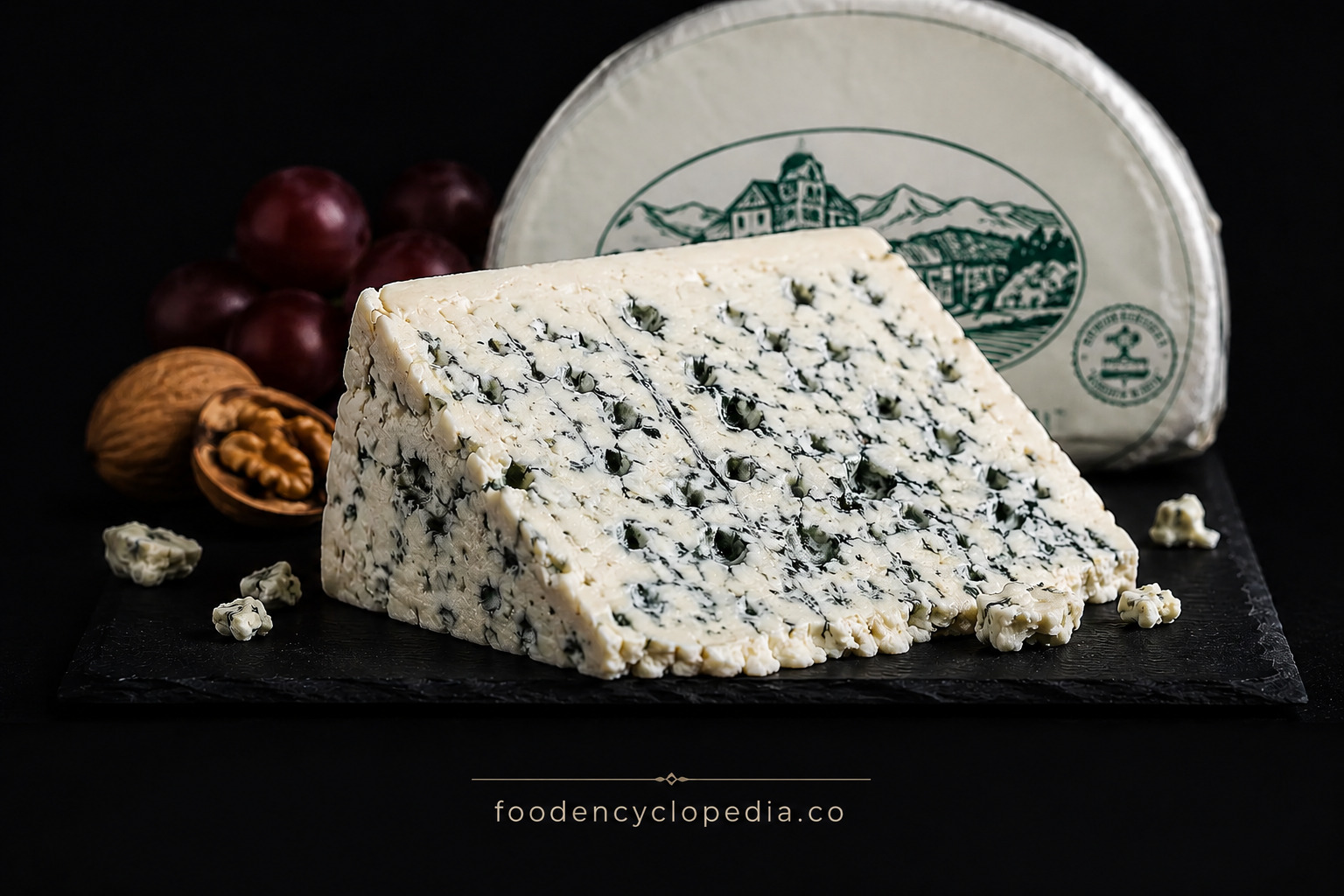
Roquefort is a traditional blue-veined cheese made exclusively from the milk of Lacaune sheep. It originates from the village of Roquefort-sur-Soulzon in the Aveyron region of southern France, where natural limestone caves provide the ideal environment for the cheese’s maturation.
The cheese is characterized by its ivory-white interior, streaked with distinctive blue-green veins created by the mold Penicillium roqueforti. This natural mold contributes to Roquefort’s complex flavor profile, delivering a balance of tangy, salty, creamy, and slightly nutty notes.
The History of Roquefort Cheese
Roquefort boasts a remarkable history that dates back over a thousand years. According to legend, the cheese was discovered by a shepherd who left his lunch of bread and sheep’s milk cheese in a cave. Upon returning weeks later, he found that the cheese had transformed into a delicious blue-veined delicacy.
Historically, Roquefort is considered one of the oldest known cheeses. In 1925, it became the first French cheese to receive legal protection through the Appellation d’Origine Contrôlée (AOC), ensuring that authentic Roquefort can only be produced in its designated region using traditional methods.
How Roquefort Cheese Is Made
The production of Roquefort follows strict regulations to preserve its authenticity and quality. The process includes:
- Collecting fresh milk exclusively from Lacaune sheep.
- Coagulating the milk and forming cheese curds.
- Introducing Penicillium roqueforti cultures to develop the characteristic blue veins.
- Aging the cheese in the natural caves of Roquefort-sur-Soulzon.
- Allowing the cheese to mature for several months, during which it develops its signature flavor and texture.
The unique microclimate within these caves, including natural air currents known as “fleurines,” plays a crucial role in the maturation process.
Flavor Profile and Texture
Roquefort cheese is famous for its bold and sophisticated flavor. It offers a creamy, moist texture that melts smoothly on the palate. The taste is complex, combining:
- Rich creaminess
- Sharp tanginess
- Salty undertones
- Earthy notes
- Mild hints of nuts and mushrooms
Compared to other blue cheeses, Roquefort tends to be more intense and aromatic, making it a favorite among gourmet food lovers.
Nutritional Benefits of Roquefort Cheese
In addition to its exceptional flavor, Roquefort cheese provides several nutritional benefits. It is a good source of:
- High-quality protein
- Calcium for bone health
- Phosphorus
- Vitamin B12
- Essential minerals
Because it is made from sheep’s milk, Roquefort also contains higher levels of certain beneficial fats and nutrients compared to some cow’s milk cheeses.
Best Ways to Enjoy Roquefort Cheese
Roquefort’s versatility makes it an excellent ingredient in a variety of dishes. Popular serving suggestions include:
- Pairing with fresh pears, figs, and grapes
- Serving on a gourmet cheese platter
- Crumbling over salads
- Incorporating into pasta sauces
- Using in steak and burger toppings
- Spreading on artisan bread or crackers
For wine pairings, sweet wines such as Sauternes or Port beautifully complement Roquefort’s salty and tangy characteristics.
Why Roquefort Cheese Remains a Global Favorite
Roquefort cheese continues to hold a special place in the culinary world due to its rich history, protected heritage, and unforgettable flavor. As one of the finest blue cheeses ever produced, it represents the craftsmanship and tradition of French cheesemaking at its highest level.
Whether you’re a seasoned cheese enthusiast or discovering blue cheese for the first time, Roquefort offers a unique tasting experience that reflects centuries of expertise and dedication.
Conclusion
Roquefort cheese stands as a symbol of excellence in the world of artisanal cheese. With its distinctive blue veins, creamy texture, and bold flavor, it remains a benchmark for quality and authenticity. From its ancient origins in southern France to its place on modern gourmet tables, Roquefort continues to delight food lovers around the globe.
If you’re looking to explore one of the most iconic cheeses in culinary history, Roquefort is an exceptional choice that delivers both tradition and taste in every bite.