
Salep Drink
Salep Drink: The Ultimate Guide to Turkey’s Creamy Winter Beverage (Plus How to Make It)
When temperatures drop across Istanbul, Athens, or Amman, one drink shows up on café menus and street-vendor carts more than any other: salep. Thick, milky, and dusted with cinnamon, salep (also spelled sahlep or sahlab) is one of the oldest winter comfort drinks in the world — and it’s finally getting attention from coffee shops and home cooks outside the Mediterranean and Middle East. This guide covers what salep is, where it comes from, why it’s so prized, and exactly how to make it at home.
What Is Salep?
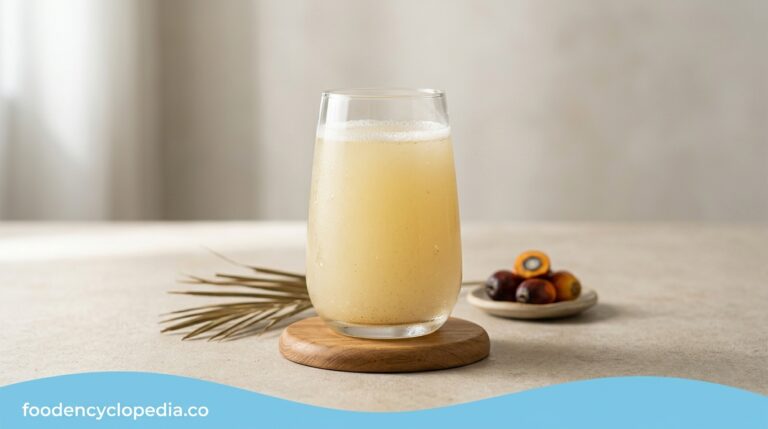
Salep is a hot, creamy drink made by thickening warm milk with salep powder — a flour ground from the dried tubers of certain wild orchids. Unlike coffee, cocoa, or tea, salep isn’t a bean, seed, or leaf-based drink. Its body and signature velvety texture come from glucomannan, a starchy plant fiber found in the orchid tuber that thickens liquid almost like a natural gelatin.
The finished drink is usually served warm, lightly sweetened, and topped with a sprinkle of ground cinnamon. Some regional versions add pistachios, coconut flakes, or a few drops of orange blossom water for extra fragrance.
Where Does Salep Come From?
Salep has deep roots in Ottoman and Byzantine cuisine and remains most closely associated with Turkey, where wild orchids suitable for salep production traditionally grow in mountainous regions such as Kahramanmaraş in the country’s southeast. The tubers come in pairs: one feeds the current year’s flower, while the smaller “spare” tuber is harvested for salep, allowing the plant to regenerate and survive.
The drink’s popularity didn’t stay confined to the Eastern Mediterranean. During the 17th and 18th centuries, salep spread to England, where it was known as “saloop” and served as a popular hot beverage before coffee and tea overtook it in popularity. Today, salep remains a beloved winter tradition throughout Turkey, Greece, the Levant, and much of the Middle East, and it’s also a key flavoring in traditional Turkish ice cream, where it gives the dessert its famously stretchy texture.
Why Real Salep Powder Is So Rare (and Expensive)
Authentic salep powder is difficult and labor-intensive to produce — it can take roughly 1,000 orchid tubers to yield just one kilogram of powder. Because of overharvesting and concerns about wild orchid populations declining, Turkey has restricted the harvesting of wild orchids and banned the export of pure salep powder to protect these plants.
As a result, most commercially available “salep” sold outside Turkey — including many packaged salep mixes found in supermarkets — is actually a blend that substitutes cornstarch or other starches for some or all of the real orchid flour, often combined with artificial flavoring. If you find a product labeled “salep” abroad, there’s a good chance it’s this cornstarch-based imitation rather than pure orchid powder. That’s not necessarily a bad thing for home cooks: these substitute blends are far more affordable and still produce a delicious, creamy drink.
What Does Salep Taste Like?
Salep has a mild, subtly sweet, almost vanilla-adjacent flavor on its own — it’s much less potent than vanilla, which is why the quality of the milk, sugar, and cinnamon used alongside it really matters. The real magic of salep isn’t so much about bold flavor as it is about texture: a thick, silky, almost custard-like mouthfeel that makes it feel more indulgent than a typical hot milk drink.
How to Make Salep at Home
Making salep is simple, even though the star ingredient is rare. Here’s a classic method using milk, sugar, and salep (or a salep-based mix).
Ingredients (Serves 2)
- 2 cups (500 ml) whole milk
- 1–2 teaspoons salep powder (pure or a cornstarch-blended salep mix)
- 2–3 tablespoons sugar, to taste
- Ground cinnamon, for topping
- Optional: a few drops of orange blossom water, chopped pistachios, or coconut flakes
Instructions
- Combine the salep and sugar. In a small bowl, whisk the salep powder together with the sugar. Mixing them dry first helps prevent clumping when the powder hits the liquid.
- Heat the milk gently. Pour the milk into a small saucepan and warm it over low-medium heat. Avoid bringing it to a rapid boil right away.
- Whisk in the salep mixture. Once the milk is warm, gradually whisk in the salep-sugar blend. Keep whisking continuously to prevent lumps from forming.
- Simmer and stir. Continue cooking over low heat, stirring constantly, for about 5–8 minutes. The mixture will gradually thicken into a smooth, creamy consistency. Because salep is starchy, it can easily stick to the bottom of the pan, so don’t stop stirring.
- Adjust consistency and sweetness. If the drink is thicker than you’d like, add a splash more warm milk. Taste and add more sugar if needed.
- Serve hot. Pour into mugs or small cups, dust generously with ground cinnamon, and add orange blossom water, pistachios, or coconut flakes if desired.
Tips for the Best Salep
- Low and slow wins. Cooking salep over high heat can cause it to clump or scorch on the bottom of the pan. Patience produces a smoother drink.
- Whisk constantly. This is the single most important step for avoiding lumps.
- Use whole milk. Full-fat milk gives salep its signature richness; low-fat versions will taste noticeably thinner.
- Start with less powder. Salep thickens quickly, so it’s easier to add more than to fix an overly thick batch.
Salep vs. Hot Chocolate: What’s the Difference?
It’s easy to lump salep in with other cold-weather milk drinks like hot chocolate or chai, but the comparison only goes so far. Hot chocolate gets its flavor and body from cocoa solids and fat; salep gets its body from a plant starch and carries a much more delicate, floral-adjacent flavor rather than a rich, chocolatey one. If hot chocolate is bold and decadent, salep is subtle and comforting — closer in spirit to a warm vanilla custard than a dessert drink.
Final Thoughts
Salep is more than just a seasonal drink — it’s a centuries-old tradition tied to Ottoman coffeehouse culture, winter street vendors, and a rare, protected plant ingredient. Whether you track down authentic salep powder or use a widely available salep-style mix, this creamy, cinnamon-topped drink is an easy and rewarding way to bring a taste of Turkish and Middle Eastern winter tradition into your own kitchen.