Soy Sauce
Soy Sauce: The Essential Umami-Rich Condiment of Asian Cuisine
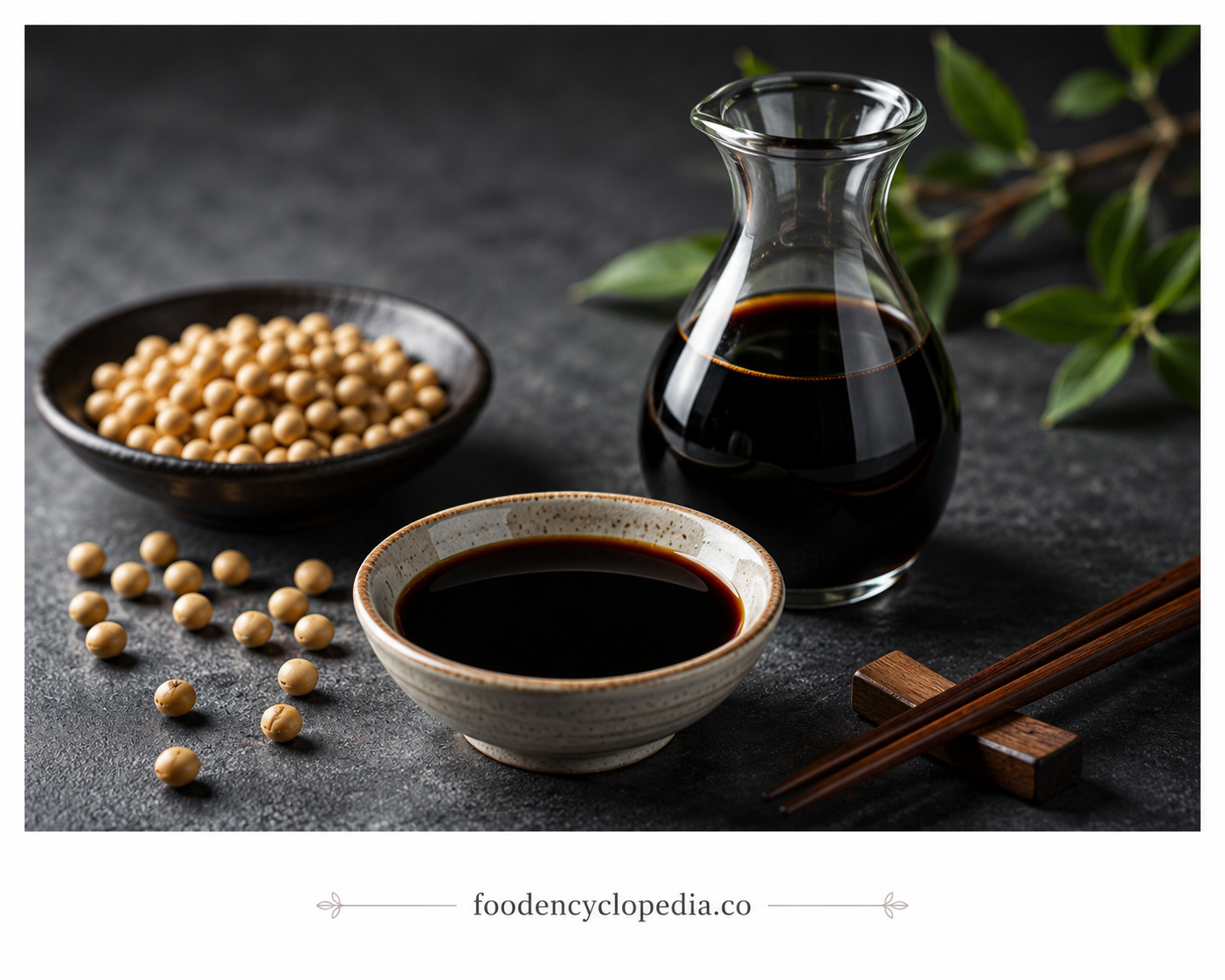
Soy sauce is one of the world’s most iconic condiments, renowned for its deep savory flavor, rich aroma, and remarkable versatility in cooking. Originating in ancient China over 2,000 years ago and later spreading throughout Asia, soy sauce has become a staple ingredient in countless cuisines worldwide. From stir-fries and marinades to soups, dipping sauces, and dressings, this fermented seasoning adds a distinctive umami depth that enhances both simple and complex dishes.
Made primarily from soybeans, wheat, salt, and water, soy sauce undergoes a natural fermentation process that develops its characteristic dark color, balanced saltiness, and complex flavor profile. Different varieties exist, including light soy sauce, dark soy sauce, tamari, and sweet soy sauce, each offering unique culinary applications. Today, soy sauce is valued not only for its flavor but also for its role in traditional food culture and modern gastronomy.
How Soy Sauce Is Made
Traditional soy sauce production involves a carefully controlled fermentation process that can take several months to over a year.
Ingredients
- Soybeans
- Wheat
- Salt
- Water
- Koji mold (Aspergillus oryzae)
Production Process
1. Preparing the Soybeans
The soybeans are soaked in water and then steamed until soft. This helps break down their structure and prepares them for fermentation.
2. Roasting and Crushing the Wheat
Wheat is roasted to develop flavor and aroma, then crushed into smaller particles. The roasted wheat contributes sweetness and complexity to the final product.
3. Creating the Koji
The cooked soybeans and crushed wheat are mixed together and inoculated with Aspergillus oryzae, a beneficial mold known as koji. The mixture is incubated for several days, allowing enzymes to develop.
4. Fermentation
The koji mixture is combined with a saltwater brine to create a mash known as moromi. This mash ferments for several months, during which enzymes, yeasts, and beneficial bacteria break down proteins and starches into amino acids and sugars, producing the sauce’s rich umami flavor.
5. Pressing the Mash
Once fermentation is complete, the moromi is pressed to separate the liquid soy sauce from the solid residue.
6. Pasteurization and Filtration
The extracted liquid is filtered and gently pasteurized to stabilize flavor, improve shelf life, and ensure product safety.
7. Bottling
The finished soy sauce is bottled and ready for culinary use around the world.
Nutritional Benefits of Soy Sauce
Although primarily used as a seasoning, soy sauce contains naturally occurring amino acids, antioxidants, and fermentation-derived compounds that contribute to its unique taste. Because it is high in sodium, it is best enjoyed in moderation as part of a balanced diet.
Culinary Uses of Soy Sauce
Soy sauce is an incredibly versatile ingredient used in:
- Stir-fries and noodle dishes
- Marinades for meat, poultry, and seafood
- Dipping sauces for sushi and dumplings
- Soups and broths
- Salad dressings
- Rice dishes
- Vegetable recipes
- Glazes and finishing sauces
Its ability to enhance savory flavors makes it a cornerstone ingredient in both traditional Asian cooking and contemporary international cuisine.
Conclusion
Soy sauce remains one of the most important condiments in global gastronomy. Through a centuries-old fermentation process, simple ingredients are transformed into a complex, flavorful seasoning celebrated for its rich umami character. Whether used as a marinade, dipping sauce, or cooking ingredient, soy sauce continues to elevate dishes with its unmistakable depth of flavor and culinary versatility.