Rumi Cheese
Rumi Cheese: Egypt’s Iconic Aged Cheese and How It’s Made
Introduction to Rumi Cheese
Rumi cheese is one of Egypt’s most celebrated traditional cheeses, renowned for its rich flavor, firm texture, and centuries-old heritage. Often compared to Mediterranean hard cheeses such as Romano or Kefalotyri, Rumi cheese holds a unique place in Egyptian cuisine and dairy culture. Its distinctive sharp taste and complex aroma make it a favorite ingredient in sandwiches, baked dishes, and traditional Egyptian meals.
As consumer interest in authentic and artisanal foods continues to grow, Rumi cheese has gained recognition beyond Egypt’s borders. Understanding how Rumi cheese is made offers valuable insight into the craftsmanship and aging processes that contribute to its exceptional character.
What Is Rumi Cheese?
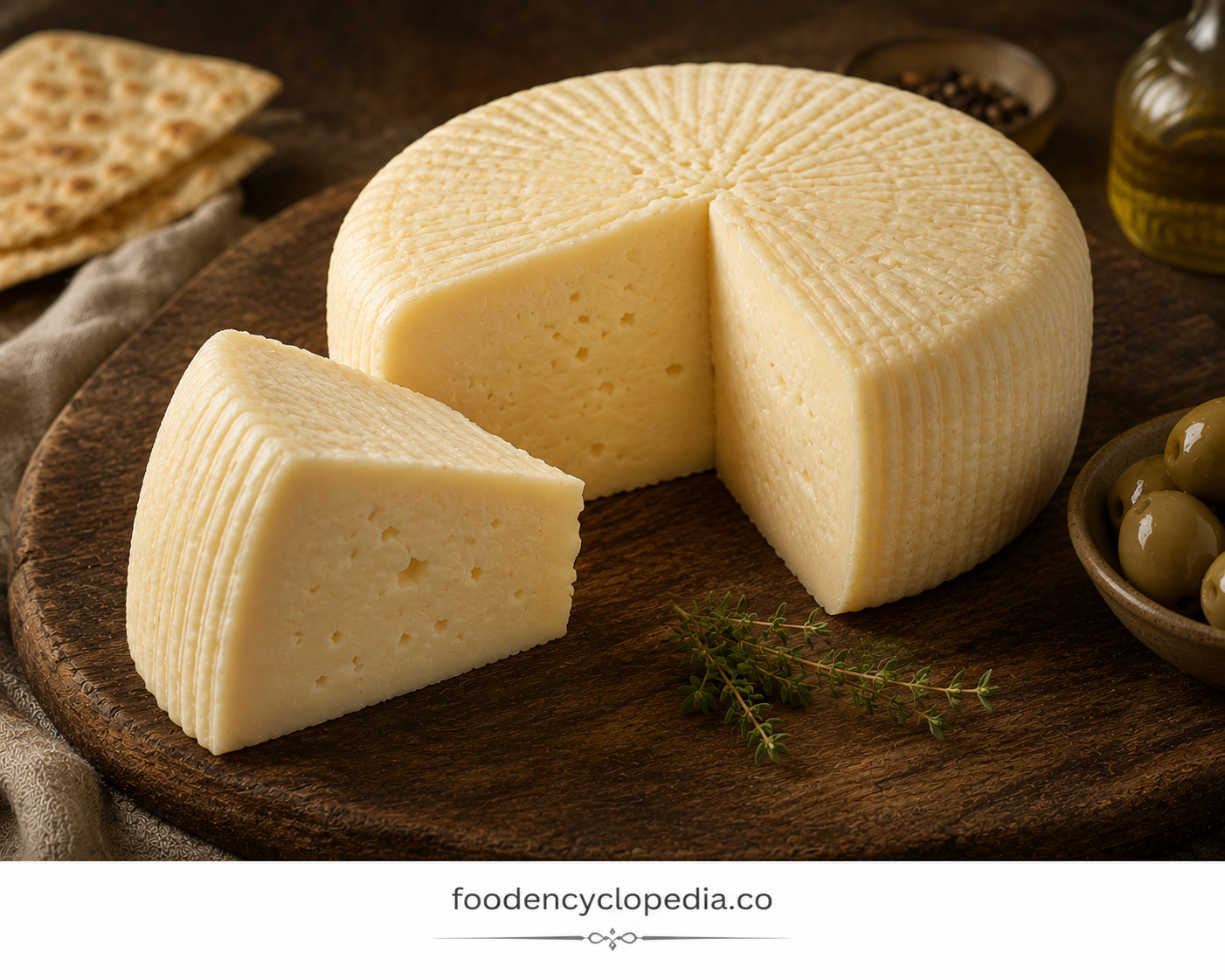
Rumi cheese is a hard, aged cheese traditionally produced from cow’s milk or a blend of cow’s and buffalo milk. Unlike many modern cheeses, authentic Rumi cheese is typically made without added starter cultures, relying on naturally occurring microorganisms to develop its flavor during maturation.
The name “Rumi” is believed to originate from the historical influence of the Eastern Roman (Byzantine) Empire, reflecting the cheese’s long-standing roots in the region. Today, it remains one of Egypt’s most widely consumed aged cheeses.
How Rumi Cheese Is Made
1. Milk Selection and Preparation
The production of Rumi cheese begins with high-quality fresh milk. Manufacturers commonly use cow’s milk, buffalo milk, or a combination of both to achieve the desired balance of flavor, texture, and fat content.
The milk is carefully filtered and heated to prepare it for coagulation while ensuring optimal conditions for cheese production.
2. Coagulation Process
Natural or commercial rennet is added to the milk, causing it to coagulate and form curds. This process separates the solid curd from the liquid whey.
The curd is then cut into small pieces to release additional moisture and create the dense texture characteristic of Rumi cheese.
3. Draining and Molding
After cutting, the curds are stirred and transferred into molds. Excess whey is drained away while pressure is applied to compact the curd mass. This step helps create the firm structure required for long-term aging.
4. Salting
Salt plays a crucial role in both flavor development and preservation. The cheese wheels are either dry-salted or treated with brine, depending on the production method. Salting helps control moisture levels, inhibits undesirable microbial growth, and contributes to the cheese’s distinctive savory taste.
5. Aging and Maturation
The aging process is what truly defines Rumi cheese. The cheese is stored under controlled conditions for several months, and in some cases, over a year.
During maturation:
- Moisture content gradually decreases.
- Flavor compounds develop and intensify.
- The texture becomes firmer and more granular.
- Characteristic openings and small holes may form within the cheese body.
Longer aging periods generally produce a sharper, more robust flavor profile that is highly valued by cheese enthusiasts.
Flavor Profile and Characteristics
Rumi cheese is known for its:
- Strong, tangy flavor
- Nutty and slightly salty notes
- Firm, dense texture
- Distinctive aged aroma
- Golden-yellow interior with occasional small holes
The flavor becomes increasingly complex as the cheese matures, making aged varieties particularly sought after.
Culinary Uses of Rumi Cheese
Rumi cheese is incredibly versatile and can be enjoyed in numerous ways, including:
- Served as part of a traditional breakfast
- Grated over pasta and baked dishes
- Used in sandwiches and pastries
- Added to savory pies and breads
- Paired with olives, vegetables, and fresh fruits
Its bold flavor allows it to enhance both traditional Egyptian recipes and modern culinary creations.
Nutritional Benefits
As a dairy product, Rumi cheese provides several essential nutrients, including:
- High-quality protein
- Calcium for bone health
- Phosphorus
- Vitamin A
- B vitamins
Because it is an aged cheese, it is also relatively low in moisture and concentrated in nutrients. However, consumers should be mindful of its sodium and fat content when incorporating it into a balanced diet.
Conclusion
Rumi cheese represents a remarkable blend of tradition, craftsmanship, and flavor. From carefully selected milk to months of aging and maturation, every step in the production process contributes to the cheese’s distinctive taste and texture. Whether enjoyed on its own or incorporated into a variety of dishes, Rumi cheese remains a cornerstone of Egyptian gastronomy and a testament to the enduring art of cheese making.
As global demand for authentic regional foods continues to rise, Rumi cheese stands out as a unique and flavorful example of Egypt’s rich dairy heritage.