
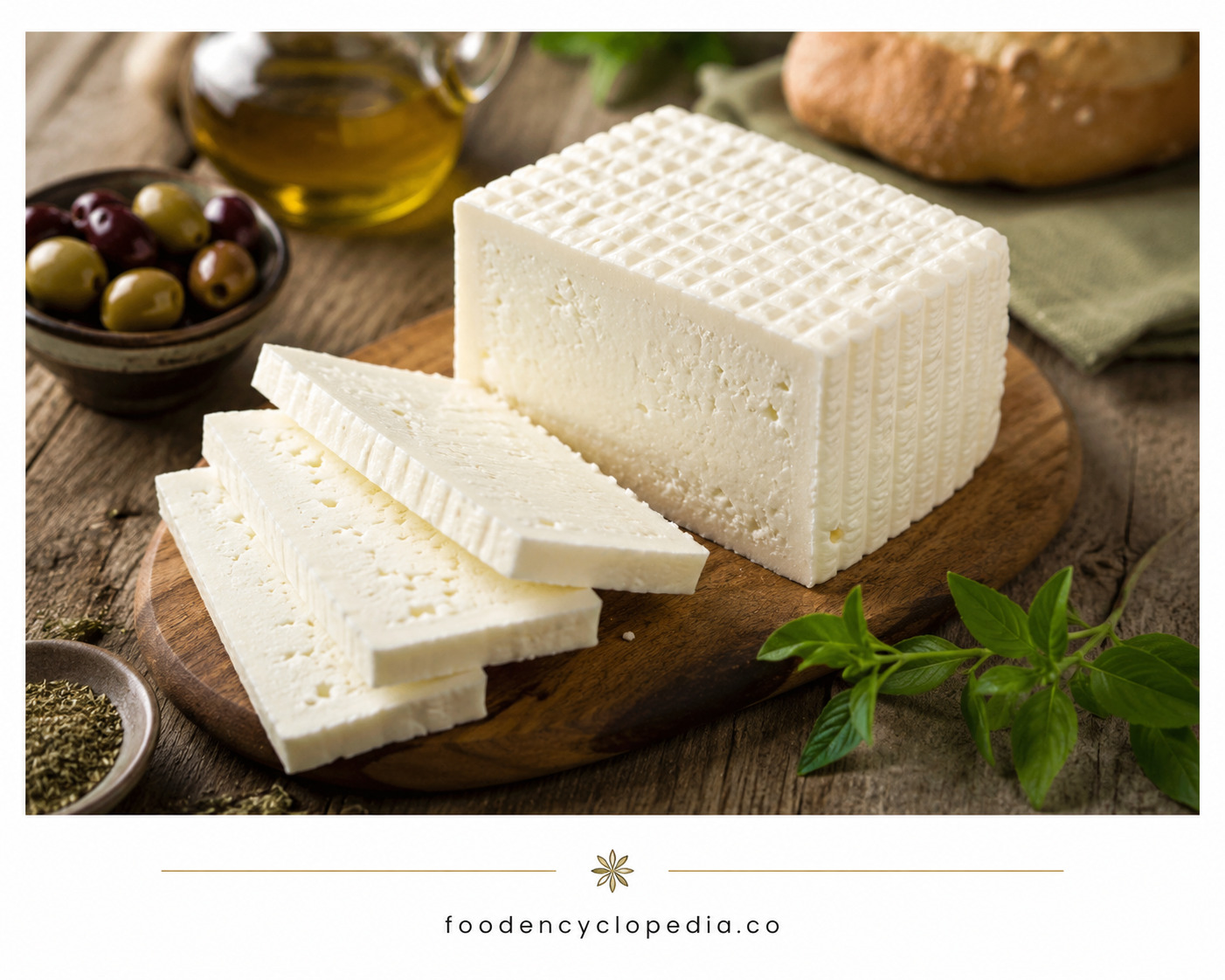
Domiati Cheese
Domiati Cheese: Egypt’s Traditional White Cheese and How It Is Made
Introduction to Domiati Cheese
Domiati cheese is one of the most popular and widely consumed white cheeses in the Middle East, particularly in Egypt, where it has been a staple food for centuries. Known for its soft texture, distinctive salty flavor, and rich nutritional value, Domiati cheese holds a special place in Egyptian cuisine and dairy traditions.
Unlike many other cheese varieties, Domiati cheese is traditionally salted before the coagulation process, giving it a unique taste and longer shelf life. It is commonly enjoyed at breakfast, served alongside bread, vegetables, olives, and various traditional dishes. Today, Domiati cheese is produced both artisanally and industrially, making it one of the most significant white-brined cheeses in the region.
What Is Domiati Cheese?
Domiati cheese is a soft white brined cheese originally developed in the city of Damietta, Egypt, from which it derives its name. It is typically made from cow’s milk, buffalo milk, or a mixture of both. The cheese is characterized by:
- A creamy white appearance
- Soft to semi-soft texture
- Mildly acidic and salty flavor
- High moisture content
- Excellent versatility in culinary applications
Due to its distinctive production process and flavor profile, Domiati cheese has become a popular choice throughout North Africa and the Middle East.
How Domiati Cheese Is Made
The manufacturing process of Domiati cheese differs from many other white cheeses because salt is added directly to the milk before coagulation. The basic production steps include:
1. Milk Selection and Preparation
Fresh cow’s milk, buffalo milk, or a blend of both is carefully selected and filtered to remove impurities. The milk is then standardized to achieve the desired fat and protein content.
2. Pasteurization
The milk is pasteurized by heating it to an appropriate temperature to eliminate harmful microorganisms while preserving its nutritional quality. After pasteurization, the milk is cooled to the optimal coagulation temperature.
3. Salting the Milk
One of the defining characteristics of Domiati cheese production is the addition of salt directly to the milk before coagulation. Salt concentrations typically range between 5% and 15%, depending on the desired flavor and storage requirements.
4. Coagulation
Rennet is added to the salted milk, causing the milk proteins to coagulate and form a curd. The coagulation process generally takes between two and four hours.
5. Cutting and Draining the Curd
Once the curd has formed, it is cut into cubes to facilitate whey separation. The curd is then transferred into molds or cheesecloth-lined containers where excess whey drains naturally.
6. Pressing and Shaping
Light pressing may be applied to achieve the desired texture and shape. The cheese is formed into blocks or rectangular pieces, depending on market preferences.
7. Brining and Ripening
The cheese is immersed in brine or stored in salted whey. During this stage, flavor development continues, and the cheese acquires its characteristic salty taste. Domiati cheese may be consumed fresh or aged for several months to develop a stronger flavor and firmer texture.
Nutritional Benefits of Domiati Cheese
Domiati cheese provides several important nutrients, including:
- High-quality protein
- Calcium for bone health
- Phosphorus and essential minerals
- Vitamins A and B-complex
- Beneficial dairy fats
Because of its relatively high salt content, consumers should enjoy Domiati cheese in moderation as part of a balanced diet.
Uses of Domiati Cheese
Domiati cheese is highly versatile and can be incorporated into numerous dishes, including:
- Traditional Egyptian breakfasts
- Fresh salads
- Sandwiches and wraps
- Pastries and baked goods
- Appetizers and mezze platters
- Savory fillings for pies and pastries
Its creamy texture and distinctive flavor make it an excellent ingredient for both traditional and modern culinary creations.
Conclusion
Domiati cheese represents a rich heritage of Egyptian dairy craftsmanship and remains one of the most beloved white cheeses in the Middle East. Its unique production method, involving the salting of milk before coagulation, creates a distinctive flavor and texture that sets it apart from other cheese varieties. Whether enjoyed fresh or aged, Domiati cheese continues to be valued for its taste, nutritional benefits, and versatility in a wide range of dishes.
As global interest in traditional and artisanal cheeses continues to grow, Domiati cheese stands as a remarkable example of Egypt’s enduring contribution to the world of dairy products.