Tartar Sauce
What Is Tartar Sauce? A Complete Guide (Plus an Easy Homemade Recipe)
Tartar sauce is one of the most beloved condiments in the world — a creamy, tangy, herb-flecked sauce that has graced fish and chips baskets, seafood platters, and crab cake plates for centuries. Whether you reach for a store-bought jar or whip up a batch at home in five minutes, tartar sauce has a way of elevating even the simplest fried fish into something special.
In this guide, you’ll learn everything you need to know about tartar sauce: its origins, what goes into it, how it’s used, and how to make a classic homemade version from scratch.
What Is Tartar Sauce?
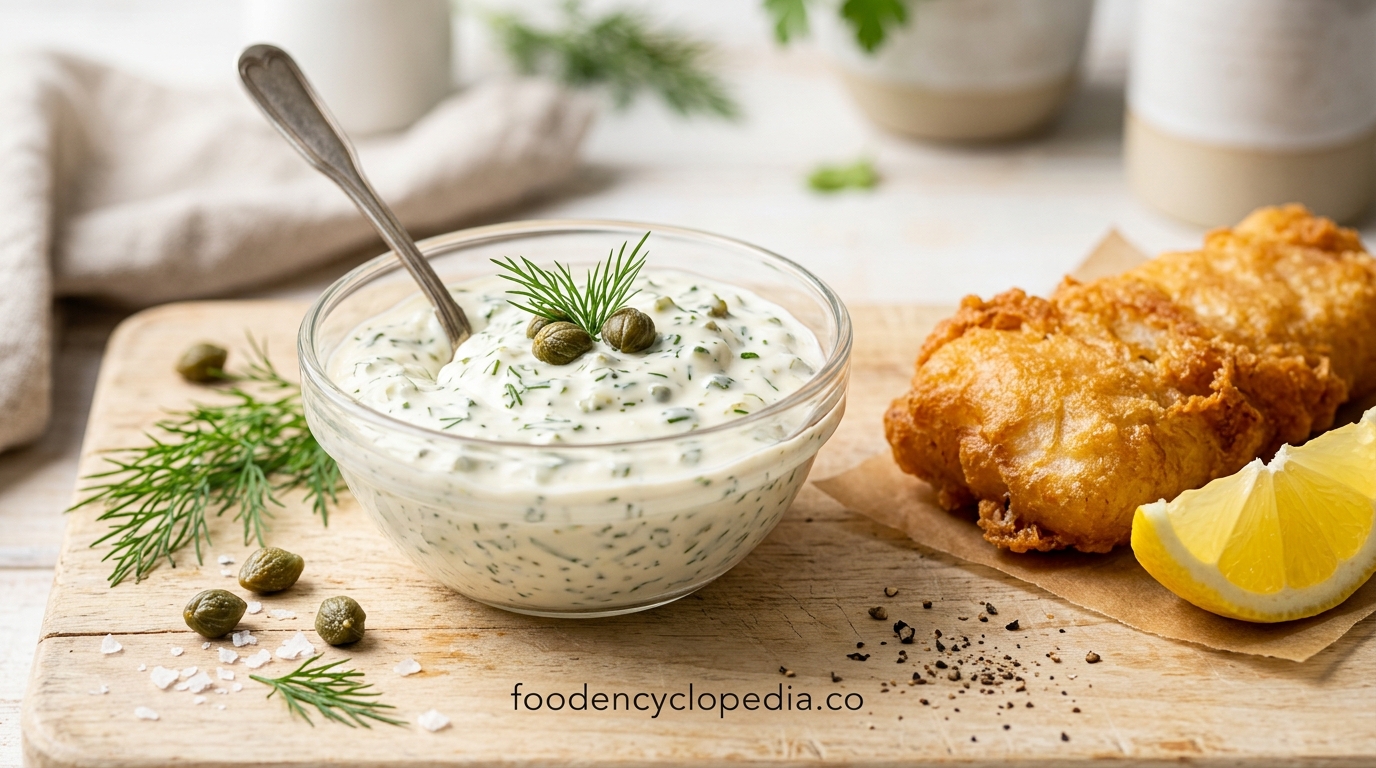
Tartar sauce is a cold condiment made primarily from mayonnaise and finely chopped pickles or relish, typically seasoned with capers, lemon juice, fresh herbs, and aromatics like onion or shallot. It has a rich, creamy base balanced by the bright acidity of pickles and citrus, making it a natural partner for fried, grilled, or baked seafood.
The texture is smooth yet slightly chunky, and the flavor profile hits all the right notes: fatty and rich from the mayo, sharp and briny from the pickles and capers, and fresh from parsley or dill. It’s simple, satisfying, and surprisingly versatile.
The History of Tartar Sauce
The name “tartar sauce” is derived from the French sauce tartare, which itself is a nod to the Tatar peoples of Central Asia — though the connection is largely historical legend rather than culinary fact. The sauce became popular in 19th-century French cuisine and quickly spread throughout Europe and North America as a classic accompaniment to seafood.
By the early 20th century, tartar sauce had become a staple condiment in British fish and chip shops and American seafood restaurants alike. Today, it’s enjoyed across the globe in countless regional variations, from dill-forward Scandinavian versions to spicy Cajun-inspired takes.
What Does Tartar Sauce Taste Like?
Tartar sauce is:
- Creamy and rich — thanks to the mayonnaise base
- Tangy and acidic — from pickles, capers, and lemon juice
- Savory and briny — with an unmistakable pickle-forward flavor
- Fresh and herbaceous — when made with parsley, dill, or chives
The balance between the fatty creaminess and the sharp brine is what makes tartar sauce so crave-worthy. It cuts through the richness of fried foods without overpowering the flavor of the fish.
What Is Tartar Sauce Used For?
While tartar sauce is best known as a dipping sauce for fish and chips, its uses extend far beyond that classic pairing. Here are some popular ways to use it:
- Fried fish and seafood — fish fillets, fish fingers, calamari, fried shrimp
- Crab cakes and fish cakes
- Grilled or baked fish — salmon, cod, halibut, tilapia
- Seafood sandwiches and po’boys
- Lobster rolls and prawn cocktails
- As a spread on burgers, wraps, or sandwiches
- With vegetables — especially roasted or fried artichokes and zucchini
Key Ingredients in Tartar Sauce
A classic tartar sauce calls for just a handful of pantry-friendly ingredients:
| Ingredient | Role |
|---|---|
| Mayonnaise | The creamy base |
| Dill pickles or sweet pickle relish | Brininess and texture |
| Capers | Pungent, salty depth |
| Lemon juice | Brightness and acidity |
| Fresh parsley or dill | Herbaceous freshness |
| Dijon mustard | Subtle heat and emulsification |
| Shallot or onion | Savory bite |
| Salt and black pepper | Seasoning |
Tip: The quality of your mayonnaise makes a real difference. Full-fat, high-quality mayo (such as Hellmann’s, Duke’s, or homemade) will give you a richer, more flavorful result than light or reduced-fat versions.
How to Make Homemade Tartar Sauce
Making tartar sauce at home takes about 5 minutes and requires no cooking whatsoever. The result is far fresher and more flavorful than anything you’ll find in a jar.
Classic Homemade Tartar Sauce Recipe
Prep time: 5 minutes
Chill time: 30 minutes (recommended)
Makes: Approximately 1 cup (serves 4–6)
Ingredients
- 1 cup (240g) good-quality mayonnaise
- 3 tablespoons finely chopped dill pickles (or dill pickle relish)
- 1 tablespoon capers, drained and roughly chopped
- 1 tablespoon fresh lemon juice (about half a lemon)
- 1 teaspoon Dijon mustard
- 2 tablespoons fresh flat-leaf parsley, finely chopped
- 1 tablespoon shallot or red onion, very finely minced
- Salt and freshly ground black pepper, to taste
Instructions
- Combine the base. In a medium bowl, add the mayonnaise, Dijon mustard, and lemon juice. Stir until smooth and fully combined.
- Add the mix-ins. Fold in the chopped dill pickles, capers, parsley, and shallot. Stir gently to distribute evenly throughout the sauce.
- Season to taste. Add salt and freshly ground black pepper. Taste and adjust — if you prefer a tangier sauce, add a little more lemon juice; for more brine, add extra capers or pickle.
- Chill before serving. Transfer the sauce to a sealed container and refrigerate for at least 30 minutes. This resting time allows the flavors to meld and deepen considerably.
- Serve and enjoy. Spoon into a dipping bowl and serve alongside fried fish, seafood, or your favorite dish.
Storage
Homemade tartar sauce will keep in an airtight container in the refrigerator for up to 1 week. Give it a good stir before serving. It is not suitable for freezing, as the mayonnaise will separate.
Tips for the Best Tartar Sauce
- Use dill pickles, not sweet pickles, for a more classic, savory result. If you only have sweet relish, reduce the quantity slightly to avoid oversweetening.
- Chop everything finely. Large chunks of pickle or onion can make the sauce feel uneven. Aim for a fine mince throughout.
- Rest it in the fridge. Fresh tartar sauce is good — rested tartar sauce is great. The 30-minute chill makes a noticeable difference.
- Taste as you go. Tartar sauce is highly adjustable. More lemon for brightness, more capers for brine, more mustard for heat — it’s easy to make it your own.
- Add fresh dill for a Scandinavian-inspired twist, or a dash of hot sauce or horseradish for a spicy kick.
Common Tartar Sauce Variations
Once you’ve mastered the classic, try these popular variations:
- Dill tartar sauce — Replace the parsley with a generous amount of fresh dill for a more herb-forward flavor.
- Spicy tartar sauce — Add sriracha, cayenne pepper, or prepared horseradish for heat.
- Lemon-caper tartar sauce — Double the capers and add extra lemon zest for a punchier, more Mediterranean profile.
- Smoky tartar sauce — Stir in a teaspoon of smoked paprika for a subtle, smoky depth.
- Avocado tartar sauce — Replace half the mayo with mashed avocado for a lighter, creamier version.
Frequently Asked Questions
Is tartar sauce the same as remoulade?
They’re close relatives but not identical. Remoulade — particularly the Louisiana Cajun version — tends to be spicier, more complex, and sometimes tomato-tinted. Tartar sauce is milder and more pickle-forward.
Can I make tartar sauce dairy-free or egg-free?
Yes. Use a vegan mayonnaise (such as those made with aquafaba) as a one-to-one substitute, and the rest of the recipe remains the same.
Why does my tartar sauce taste too sour?
You may have added too much lemon juice or used very acidic pickles. Balance it out with a little extra mayonnaise and a tiny pinch of sugar.
Can I use sweet pickle relish instead of dill pickles?
You can, though the result will be noticeably sweeter and less savory. If you go this route, omit any added sugar and reduce the quantity slightly.
Final Thoughts
Tartar sauce is one of those condiments that’s easy to overlook — until you have a truly great version. Made fresh at home with quality mayonnaise, briny pickles, and a squeeze of lemon, it’s bright, bold, and endlessly versatile. Once you try the homemade version, store-bought will be hard to go back to.
Whether you’re serving it alongside a Friday night fish fry, a plate of golden calamari, or a simple grilled salmon fillet, a good tartar sauce is the kind of thing that makes the whole meal.