Stilton Cheese
Stilton Cheese: England’s Iconic Blue Cheese with a Rich Heritage
Introduction to Stilton Cheese
Stilton cheese is one of the most celebrated and distinctive cheeses in the world, renowned for its rich flavor, creamy texture, and unmistakable blue veins. Often referred to as the “King of English Cheeses,” Stilton has earned a prestigious reputation among cheese enthusiasts, chefs, and food connoisseurs alike. Produced exclusively in specific regions of England under strict quality standards, this traditional cheese represents centuries of craftsmanship and culinary heritage.
Whether enjoyed on a cheeseboard, or incorporated into gourmet recipes, Stilton cheese continues to be a staple of British gastronomy and an increasingly popular choice among international consumers seeking authentic artisanal foods.
What Is Stilton Cheese?
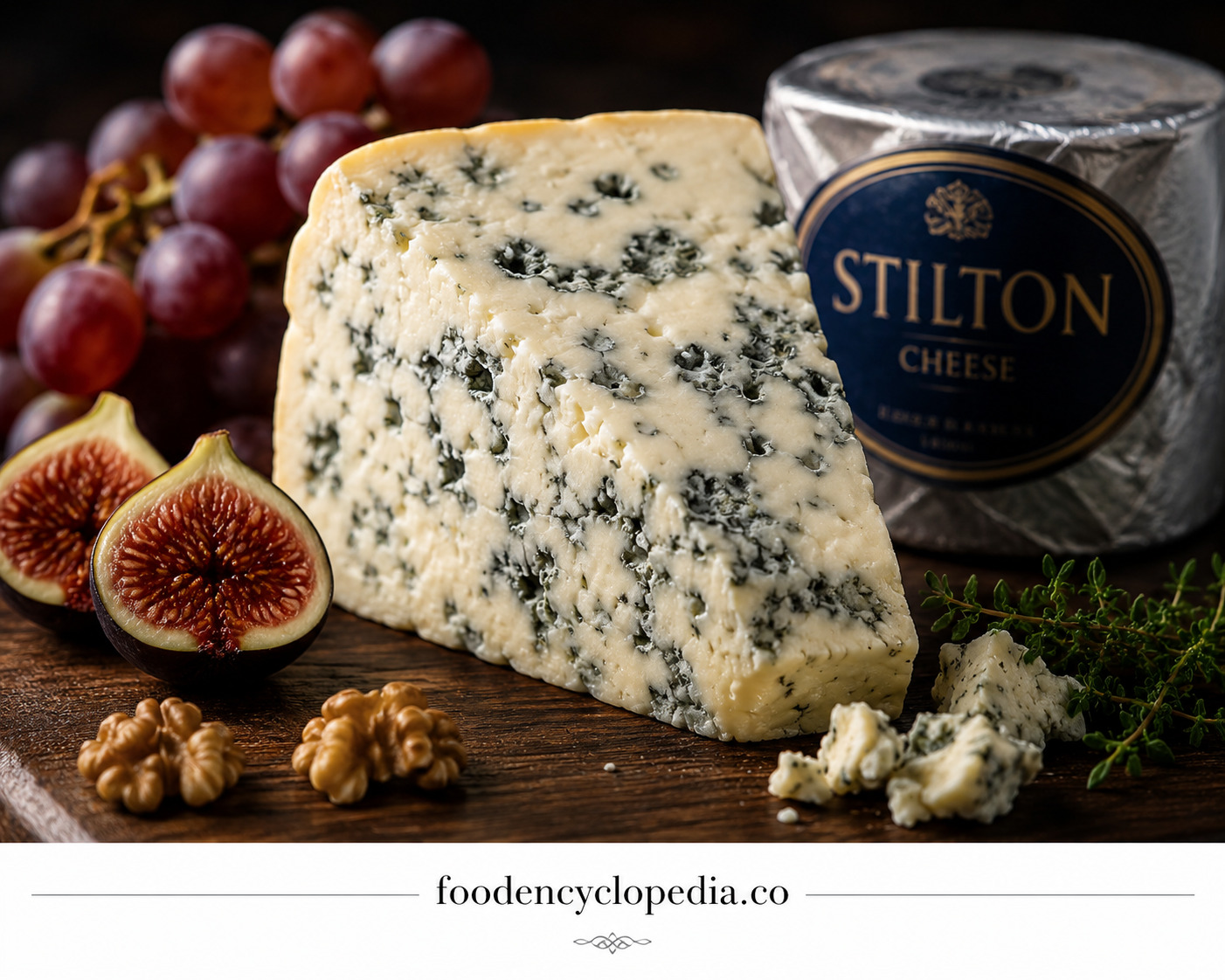
Stilton is a semi-soft, cow’s milk cheese that comes in two varieties: Blue Stilton and White Stilton. Blue Stilton is by far the most famous, characterized by its creamy ivory-colored interior and distinctive blue-green marbling. The cheese develops its unique flavor through a carefully controlled maturation process, resulting in a complex taste profile that balances rich, savory, earthy, and slightly tangy notes.
White Stilton, on the other hand, is made without the introduction of blue mold and offers a milder, crumbly texture. It is often blended with fruits such as apricots, cranberries, or mango to create sweet and flavorful specialty cheeses.
The History and Heritage of Stilton Cheese
The origins of Stilton cheese date back to the early 18th century. Despite its name, authentic Stilton cheese has never been produced in the village of Stilton itself. Instead, the village became famous as a major trading point where the cheese was sold to travelers along the historic Great North Road.
Today, Stilton cheese holds Protected Designation of Origin (PDO) status, meaning it can only be produced in the English counties of Derbyshire, Leicestershire, and Nottinghamshire using approved methods. This protected status helps preserve the cheese’s authenticity, quality, and traditional production techniques.
Flavor Profile and Characteristics
One of the defining qualities of Stilton cheese is its rich and layered flavor. Younger Stilton tends to be creamy and mild, while more mature varieties develop stronger, more pronounced earthy and nutty characteristics. The blue veins contribute a subtle sharpness that enhances the overall complexity without overwhelming the palate.
Key characteristics of Blue Stilton include:
- Creamy and crumbly texture
- Distinctive blue veining
- Rich, savory flavor
- Nutty and earthy undertones
- Long, satisfying finish
These qualities make Stilton a versatile cheese suitable for both casual enjoyment and sophisticated culinary applications.
Nutritional Benefits of Stilton Cheese
In addition to its exceptional taste, Stilton cheese provides several nutritional benefits. It is a good source of protein, calcium, phosphorus, and essential vitamins that support bone health and overall well-being. Like many artisanal cheeses, it should be enjoyed in moderation due to its fat and sodium content, but it can be part of a balanced diet when consumed responsibly.
Popular Ways to Enjoy Stilton Cheese
Stilton cheese pairs exceptionally well with a variety of foods and beverages. Traditional pairings include pears, walnuts, crackers, and fortified wines such as Port. It also complements red wines, craft beers, and sparkling wines.
Many chefs incorporate Stilton into recipes such as:
- Gourmet salads
- Creamy pasta dishes
- Soups and sauces
- Stuffed meats
- Savory tarts and pastries
Its bold flavor can elevate both simple and sophisticated dishes.
Conclusion
Stilton cheese remains one of England’s most treasured culinary exports, celebrated for its distinctive flavor, rich history, and protected heritage. From elegant cheese boards to gourmet recipes, this iconic blue cheese continues to captivate food lovers around the world. Whether you are a seasoned cheese enthusiast or discovering Stilton for the first time, its unique character and exceptional quality make it a truly unforgettable addition to any dining experience.