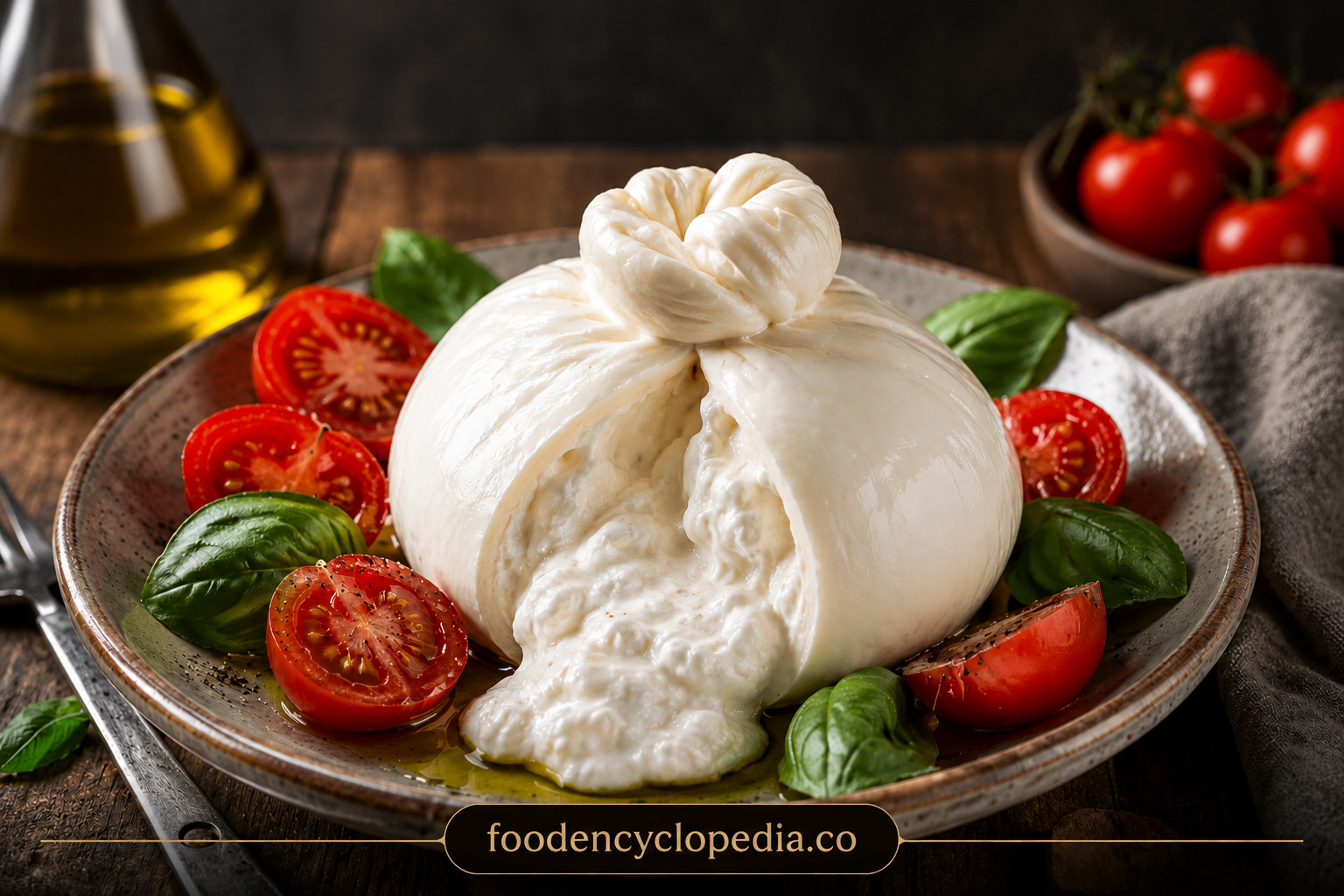
Burrata Cheese
Burrata Cheese: Italy’s Creamy Culinary Masterpiece
Introduction to Burrata Cheese
Burrata cheese is one of Italy’s most luxurious and beloved dairy creations, celebrated for its rich, creamy texture and delicate flavor. Originating in the southern Italian region of Puglia, Burrata has gained international recognition as a gourmet cheese that combines freshness, elegance, and exceptional taste. Its unique composition and versatile culinary applications have made it a favorite among chefs, food enthusiasts, and cheese lovers worldwide.
Known for its soft outer shell and luscious creamy center, Burrata offers a distinctive eating experience that sets it apart from other fresh cheeses. Whether served as an appetizer, featured in salads, or paired with artisan bread, Burrata adds a touch of indulgence to any meal.
What Is Burrata Cheese?
Burrata is a fresh Italian cheese made from cow’s milk, although some traditional varieties may also be produced using buffalo milk. The cheese consists of an outer layer of mozzarella that encases a creamy filling known as stracciatella, a mixture of shredded mozzarella curds and fresh cream.
The name “Burrata” comes from the Italian word burro, meaning “butter,” a reference to the cheese’s rich and buttery texture. First created in the early 20th century in Puglia, Burrata was originally developed as a way to utilize leftover mozzarella scraps, eventually evolving into one of Italy’s most prized cheeses.
Flavor and Texture
Burrata is renowned for its mild, fresh, and milky flavor. The outer mozzarella shell provides a delicate firmness, while the interior offers an irresistibly creamy and velvety consistency. Its subtle sweetness and buttery richness create a luxurious mouthfeel that pairs beautifully with a variety of ingredients.
Unlike aged cheeses with intense flavors, Burrata is appreciated for its freshness and delicate character, making it an ideal complement to both simple and sophisticated dishes.
Nutritional Benefits
Burrata cheese contains high-quality protein, calcium, phosphorus, and essential vitamins that contribute to a balanced diet. As a dairy product, it supports bone health and muscle maintenance while providing valuable nutrients.
Due to its cream-filled center, Burrata generally contains more fat than traditional mozzarella, making it best enjoyed as part of a varied and balanced eating plan.
Culinary Uses
One of Burrata’s greatest strengths is its versatility in the kitchen. It is commonly served fresh and paired with ripe tomatoes, basil, olive oil, and crusty bread. Burrata also enhances salads, pizzas, pasta dishes, roasted vegetables, and gourmet sandwiches.
Its creamy interior creates a visually appealing presentation when cut open, making it a popular choice for upscale restaurants and food photography. The cheese pairs exceptionally well with fresh fruits, cured meats, nuts, and high-quality olive oils.
Why Burrata Is Special
What makes Burrata truly special is the contrast between its delicate mozzarella exterior and its rich, creamy center. This unique structure delivers a sensory experience that combines texture, flavor, and freshness in every bite.
Its artisanal heritage, premium quality, and luxurious character have helped Burrata become one of the most sought-after fresh cheeses in the world. Today, it is regarded as a symbol of Italian culinary craftsmanship and gourmet dining.
Conclusion
Burrata cheese is a remarkable example of Italian cheesemaking excellence. With its creamy center, fresh flavor, and elegant presentation, it continues to captivate food lovers across the globe. Whether enjoyed in a simple Caprese-style dish or incorporated into sophisticated recipes, Burrata offers a delicious and unforgettable culinary experience that embodies the richness of Italian gastronomy.