Manchego Cheese
Manchego Cheese: Spain’s Most Famous Sheep’s Milk Cheese
Introduction to Manchego Cheese
Manchego cheese is one of Spain’s most celebrated culinary treasures, renowned for its rich flavor, distinctive texture, and centuries-old tradition of craftsmanship. Produced exclusively in the La Mancha region of central Spain, Manchego has become a favorite among cheese lovers worldwide for its versatility and unique taste profile.
Made from the milk of Manchega sheep, this premium cheese carries a protected designation that guarantees its authenticity and quality. Whether enjoyed on a cheese board, or incorporated into gourmet recipes, Manchego offers a sophisticated flavor experience that reflects the heritage of Spanish cheesemaking.
What Is Manchego Cheese?
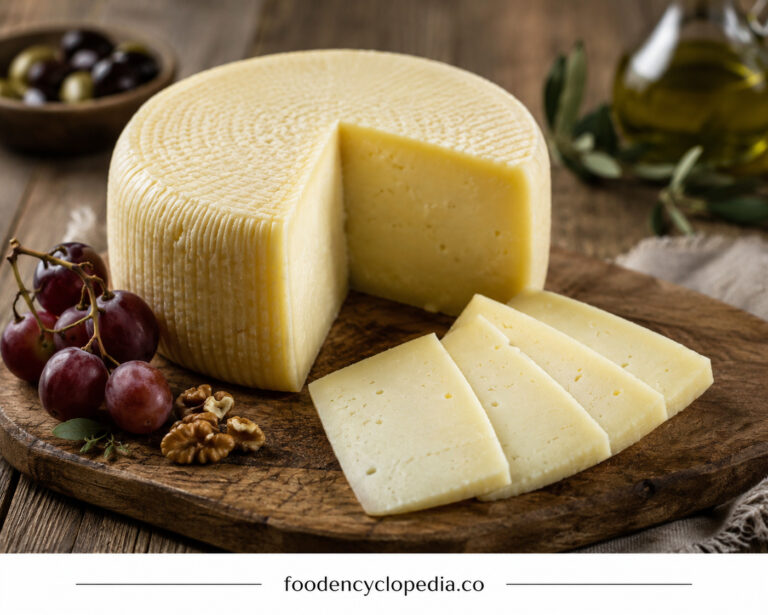
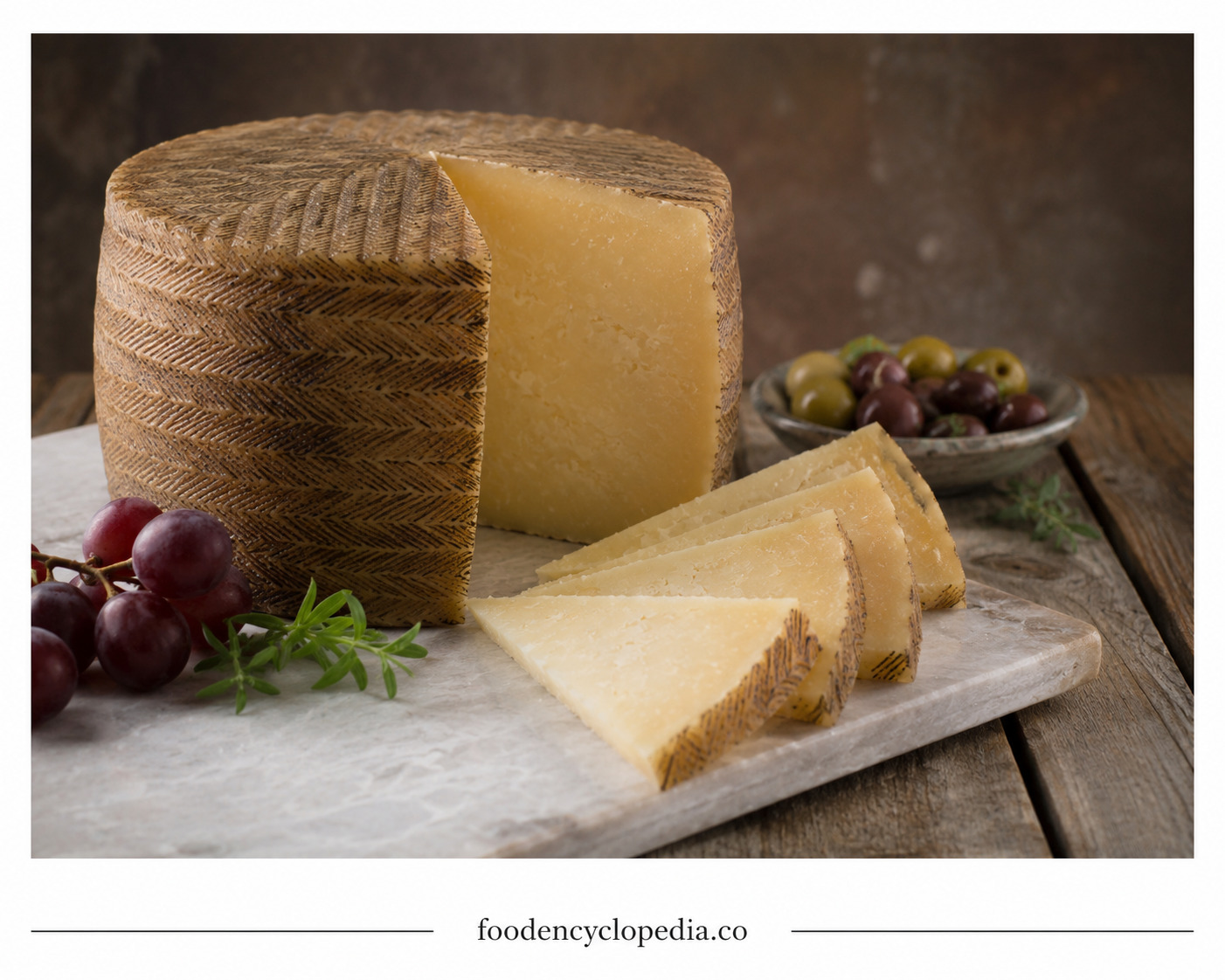
Manchego is a firm, aged cheese crafted from 100% sheep’s milk sourced from Manchega sheep native to Spain’s La Mancha region. The cheese is easily recognizable by its ivory-colored interior and the characteristic zigzag basket-weave pattern imprinted on its rind.
Authentic Manchego cheese is protected under the Denominación de Origen Protegida (DOP) certification, ensuring that only cheese produced according to strict regional standards can bear the Manchego name.
Flavor Profile and Texture
One of the reasons Manchego cheese has gained international popularity is its complex and balanced flavor. Depending on its age, Manchego can offer a range of taste experiences:
-
- Young Manchego (Fresco or Semi-Curado): Mild, creamy, and slightly buttery.
-
- Curado Manchego: Nutty, savory, and more pronounced in flavor.
-
- Aged Manchego (Viejo): Rich, sharp, and intensely complex with caramelized notes.
The texture also evolves during the aging process, transitioning from smooth and supple to firm, crumbly, and crystalline as the cheese matures.
How Manchego Cheese Is Made
Traditional Manchego production begins with high-quality sheep’s milk that is carefully pasteurized or used raw, depending on the producer’s methods. The milk is coagulated, pressed into molds, salted, and aged for a minimum of 60 days, with some varieties maturing for up to two years.
The aging process contributes significantly to the cheese’s flavor development, creating the distinctive nutty and slightly tangy characteristics that define authentic Manchego.
Nutritional Benefits of Manchego Cheese
In addition to its exceptional taste, Manchego cheese offers several nutritional advantages:
-
- High-quality protein that supports muscle health.
-
- Rich source of calcium for strong bones and teeth.
-
- Contains essential vitamins such as Vitamin A and Vitamin B12.
-
- Provides healthy fats that contribute to satiety and energy.
Because it is made from sheep’s milk, Manchego is often richer in protein and minerals than many cow’s milk cheeses.
Best Ways to Enjoy Manchego Cheese
Manchego is remarkably versatile and can be enjoyed in numerous ways:
-
- Served with olives, nuts, and cured meats on a charcuterie board.
-
- Grated over salads, pasta dishes, and roasted vegetables.
-
- Melted into sandwiches or gourmet appetizers.
-
- Accompanied by quince paste (Membrillo), a classic Spanish pairing.
Its balance of sweetness, nuttiness, and savory depth makes it suitable for both simple snacks and elegant culinary creations.
How to Store Manchego Cheese
To maintain freshness and flavor, store Manchego cheese in the refrigerator wrapped in wax paper, cheese paper, or parchment paper. Avoid airtight plastic wrapping for extended periods, as it can affect the cheese’s texture and flavor development.
For optimal taste, allow the cheese to sit at room temperature for 30 to 60 minutes before serving.
Conclusion
Manchego cheese stands as a symbol of Spain’s rich gastronomic heritage. With its distinctive sheep’s milk character, protected origin, and versatile culinary applications, it continues to captivate food enthusiasts around the globe. Whether you are exploring artisanal cheeses for the first time or expanding your gourmet collection, authentic Manchego cheese offers an unforgettable taste of Spanish tradition.
From its centuries-old production methods to its exceptional flavor and nutritional value, Manchego remains one of the world’s finest cheeses and a staple in both traditional and modern cuisine.