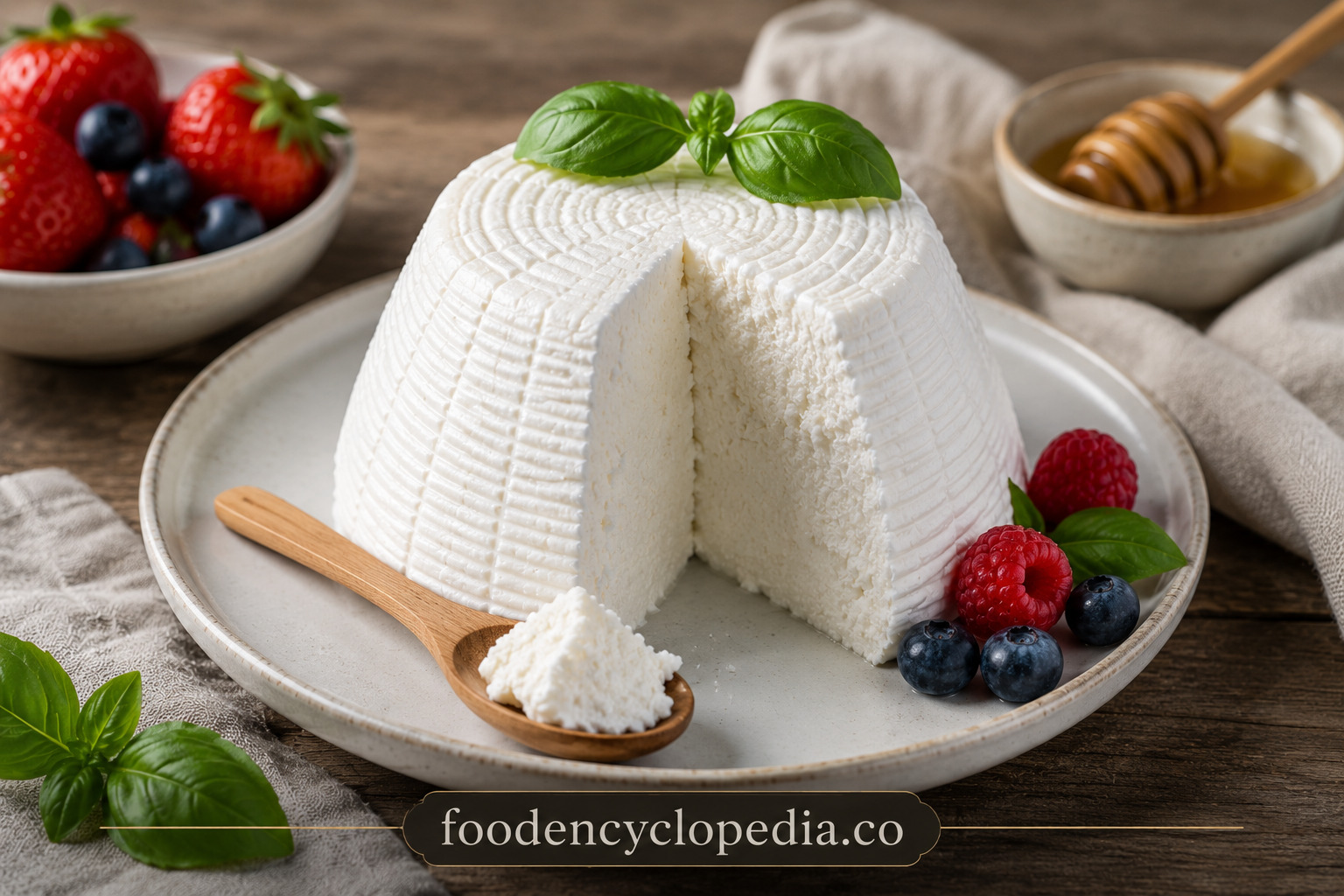
Ricotta cheese
Ricotta Cheese: Italy’s Light and Versatile Dairy Treasure
Introduction to Ricotta Cheese
Ricotta cheese is one of Italy’s most beloved and versatile dairy products, celebrated for its delicate flavor, creamy texture, and wide range of culinary applications. From traditional Italian desserts to savory pasta dishes, Ricotta has earned a prominent place in kitchens around the world. Its light consistency and mild taste make it a favorite ingredient among chefs, home cooks, and food enthusiasts seeking both flavor and nutritional value.
Unlike many traditional cheeses, Ricotta is produced using a unique method that has been practiced in Italy for centuries, resulting in a fresh, soft cheese that is both nutritious and exceptionally adaptable.
What Is Ricotta Cheese?
Ricotta is a fresh Italian cheese traditionally made from whey, the liquid byproduct left after the production of other cheeses. The name “Ricotta” comes from the Italian word ricotta, meaning “recooked,” referring to the process of reheating whey to create the cheese.
Although traditional Ricotta is made from sheep’s milk whey, modern varieties may also be produced using cow’s milk, goat’s milk, buffalo milk, or a combination of these. The result is a soft, moist cheese with a smooth, slightly grainy texture and a fresh, milky flavor.
Flavor and Texture
Ricotta is known for its mild, subtly sweet flavor and light, creamy consistency. Its delicate taste allows it to complement a wide variety of ingredients without overpowering them.
Fresh Ricotta is soft and fluffy, with a smooth texture that makes it ideal for spreading, mixing, baking, or incorporating into both sweet and savory recipes. Its gentle flavor profile makes it one of the most versatile cheeses in global cuisine.
Nutritional Benefits
Ricotta cheese is an excellent source of high-quality protein, calcium, phosphorus, and essential vitamins. Compared to many aged cheeses, it is generally lower in sodium and often lighter in flavor while still providing important nutrients.
Its protein content supports muscle maintenance and overall health, while its calcium contributes to strong bones and teeth. Depending on the type of milk used, Ricotta can also be a valuable source of beneficial fats and minerals.
Culinary Uses
Ricotta’s versatility is one of its greatest strengths. In Italian cuisine, it is commonly used in classic dishes such as lasagna, stuffed pasta, ravioli, cannelloni, and manicotti. It is also a key ingredient in many famous desserts, including cheesecakes, cannoli fillings, pastries, and cakes.
Beyond traditional recipes, Ricotta can be spread on toast, blended into dips, added to salads, paired with fruits and honey, or incorporated into creamy sauces. Its ability to enhance both sweet and savory dishes makes it a staple ingredient in modern cooking.
Why Ricotta Is Special
What makes Ricotta unique is its production process and remarkable versatility. By transforming whey into a nutritious and flavorful cheese, Italian cheesemakers created a product that minimizes waste while maximizing culinary value.
Its light texture, fresh taste, and adaptability have helped Ricotta remain a cherished ingredient for centuries. Whether enjoyed as part of a simple breakfast or an elaborate gourmet recipe, it consistently delivers freshness and elegance to every dish.
Conclusion
Ricotta cheese is a true icon of Italian culinary tradition. With its soft texture, mild flavor, and impressive versatility, it continues to be one of the most widely used and appreciated fresh cheeses in the world. Whether featured in classic Italian recipes, baked goods, or contemporary cuisine, Ricotta offers a delicious and wholesome experience that reflects the timeless excellence of Italian cheesemaking.