
Worcestershire Sauce
What Is Worcestershire Sauce? A Complete Guide to Its History, Flavor, and Homemade Recipe
Worcestershire sauce is one of the most recognizable condiments in the world, yet many home cooks still aren’t quite sure what it is, where it comes from, or how it gets its distinctive tangy-savory flavor. This guide breaks down the history of Worcestershire sauce, what makes it taste the way it does, how it’s used in cooking, and a simple homemade version you can make in your own kitchen.
What Is Worcestershire Sauce?
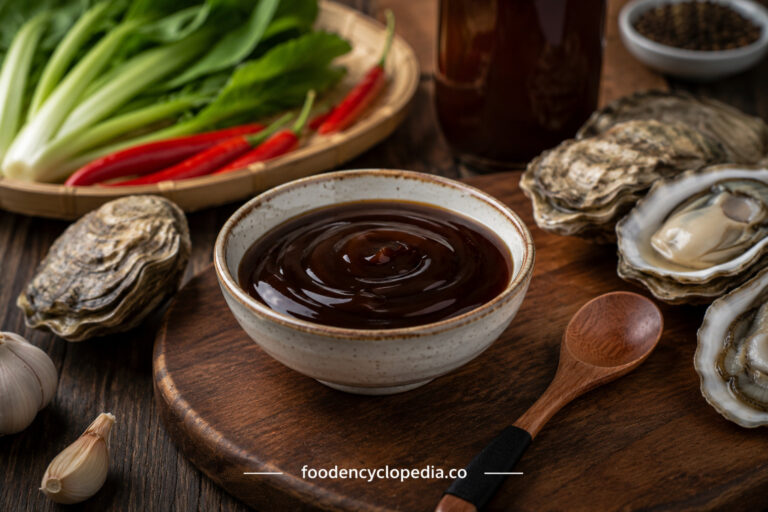
Worcestershire sauce (pronounced “WUS-ter-sher”) is a fermented, savory-sweet condiment made from a blend of vinegar, molasses, anchovies, tamarind, onion, garlic, and a mix of spices. It’s known for its complex umami flavor — salty, tangy, slightly sweet, and deeply savory all at once. A few dashes can transform the flavor of soups, marinades, cocktails, and sauces.
The name comes from Worcester, a city in England, where the sauce was first commercially produced in the 1830s.
A Brief History of Worcestershire Sauce
The condiment’s origin story is part legend and part documented history. According to popular accounts, two chemists in Worcester, England — John Wheeley Lea and William Henry Perrins — were asked by a local nobleman to recreate a sauce he had tasted while serving in Bengal, India. Their first attempt reportedly tasted so strong and unpleasant that they stored the batch away and forgot about it.
Months later, while clearing out their cellar, they rediscovered the barrel and decided to taste it again. Time and fermentation had transformed the harsh mixture into a rich, balanced sauce. Lea & Perrins began selling it commercially in 1837, and it quickly became a staple condiment across Britain and, eventually, the world.
Today, Lea & Perrins remains the most famous Worcestershire sauce brand, though many other producers now make their own versions, including vegetarian and vegan variations that skip the anchovies.
What Gives Worcestershire Sauce Its Flavor?
The complexity of Worcestershire sauce comes from fermentation and a long list of ingredients working together. Common components include:
- Vinegar – provides tang and acidity
- Anchovies – deliver deep umami and saltiness
- Molasses or sugar – adds sweetness and body
- Tamarind – contributes fruity, sour depth
- Onion and garlic – build savory aromatics
- Cloves, allspice, and chili peppers – add warmth and subtle heat
- Salt – rounds out and preserves the sauce
Traditional recipes are aged for months, allowing the flavors to mellow and meld, which is why the sauce tastes far more balanced than its raw ingredient list might suggest.
How Is Worcestershire Sauce Used?
Worcestershire sauce is incredibly versatile. Common uses include:
- Marinades – tenderizes and flavors beef, chicken, and pork
- Bloody Marys – a classic ingredient in the cocktail
- Caesar dressing – adds umami depth
- Burgers and meatloaf – mixed directly into the meat
- Soups and stews – a splash boosts savory flavor
- Steak sauce and gravies – enhances richness
- Deviled eggs and dips – adds a tangy kick
Because a little goes a long way, most recipes call for just a teaspoon or a few dashes.
How to Make Worcestershire Sauce at Home
While the traditional commercial process involves months of fermentation, you can make a flavorful homemade version in about 30 minutes of active cooking time, followed by a short resting period. This version won’t be identical to the bottled original, but it captures the same tangy, savory, umami-rich profile and works well in most recipes.
Homemade Worcestershire Sauce
Ingredients:
- 1 cup apple cider vinegar
- 1/4 cup soy sauce (or tamari for a gluten-free option)
- 2 tablespoons molasses
- 2 tablespoons brown sugar
- 1 tablespoon tamarind paste (or an extra tablespoon of lime juice as a substitute)
- 1 small onion, finely chopped
- 2 garlic cloves, minced
- 1 teaspoon ground ginger
- 1/2 teaspoon ground cinnamon
- 1/2 teaspoon ground cloves
- 1/4 teaspoon cayenne pepper or black pepper
- 2 anchovy fillets, mashed (omit for a vegetarian/vegan version)
- 1 tablespoon lime or lemon juice
Instructions:
- Combine all ingredients in a small saucepan over medium heat.
- Bring the mixture to a gentle simmer, stirring occasionally.
- Reduce heat to low and let it simmer uncovered for 15–20 minutes, until slightly thickened and fragrant.
- Remove from heat and let cool completely.
- Strain the mixture through a fine-mesh sieve to remove solids, pressing to extract as much liquid as possible.
- Pour the strained sauce into a clean glass bottle or jar.
- Refrigerate for at least 24 hours before using to let the flavors meld — the longer it rests, the better it tastes.
Stored in the refrigerator, homemade Worcestershire sauce will keep for several weeks to a few months, similar to other vinegar-based condiments.
Vegetarian and Vegan Substitutes
If you’d like to skip the anchovies entirely, you can replace them with a small amount of miso paste, soy sauce, or dried shiitake mushrooms, all of which contribute similar umami depth without any fish.
Final Thoughts
Worcestershire sauce is a small but mighty addition to any kitchen. Its unique balance of tangy, sweet, and savory notes makes it one of the most useful condiments for boosting flavor in everything from marinades to cocktails. Whether you pick up a bottle at the store or try your hand at a homemade version, understanding what goes into Worcestershire sauce makes it easier to use it well — and appreciate nearly two centuries of culinary history in every dash.